
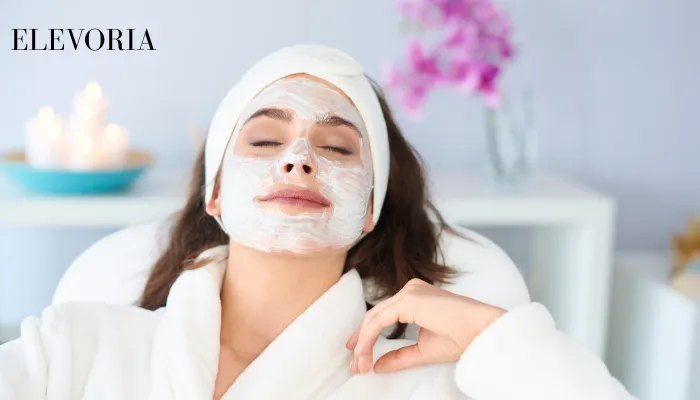
Facials: What to Expect and How to Choose
A professional facial is a multi-step skin treatment delivered by a trained therapist. It typically includes cleansing, exfoliation, extractions, a mask and moisturiser. The aim is to deep clean, hydrate and leave skin looking fresher. What you get depends on your skin and the type of facial you book.
What a Facial Actually Is
A facial is a clinical skin treatment, not just a pampering session. Unlike your at-home routine, a professional treatment uses higher strength products and specialised techniques to deeply cleanse, exfoliate and hydrate the skin.
Facials generally fall into two main categories. Traditional hands-on treatments focus on cleansing, extractions, massage and hydrating masks. Technology-based facials use devices such as LED light therapy, ultrasound or radiofrequency to enhance results. Some clinics combine both approaches.
Most facials are considered non-invasive because they work on the skin’s surface and do not involve injections. More invasive treatments, such as microneedling or chemical peels, are classified differently and may be subject to different regulations depending on who performs them.
How to Choose the Right Facial for You
The right facial depends on your skin type and what you want to achieve. A person looking for hydration will need a different treatment from someone dealing with active breakouts, pigmentation or signs of ageing. A qualified therapist or dermatologist can assess your skin and recommend a treatment that is safe and suitable for your goals.
If you have oily or breakout-prone skin, a facial can help clean and slough off excess oil and dead skin cells. Gentle extractions may be performed after cleansing. For drier or more mature skin, hydrating masks and barrier-supportive products are often used.
If you are booking your first facial before a big event, it is worth doing it two to three months in advance. This gives you time to see how your skin reacts and to book a patch test if you are considering a peel or stronger treatment.
What Happens During a Facial Appointment
Every facial is tailored to the individual, but most follow a similar sequence. A consultation comes first. The therapist will assess your skin, ask about your medical history, current routine and any sensitivities. This step ensures the treatment is matched to your needs rather than following a generic script.
The treatment begins with a thorough cleanse to remove makeup, sunscreen and buildup. Some therapists follow the cleanse with a gentle steam or warm compress to soften the skin. Exfoliation comes next. In a professional setting this often involves an enzyme peel or chemical exfoliant rather than a physical scrub, which tends to be more precise and less irritating.
Extractions may follow if you have congestion or blackheads. The therapist then applies a mask chosen for your skin, followed by a moisturiser and often an SPF. A facial appointment usually runs between 45 and 90 minutes, depending on the steps included.
Aftercare and What to Avoid
Aftercare is simple but important. Keep your skin hydrated with a gentle moisturiser. Avoid harsh actives such as strong acids, aggressive retinol or scrubs for a couple of days. Sunscreen every morning is essential, especially if your skin is freshly exfoliated.
Avoid long sun exposure, waxing or threading for at least 48 hours after a facial. This helps ensure the skin is not compromised. Do not pick at any flaking skin or extractions. If your skin feels sensitive, keep your routine simple and let it settle.
If you are having regular facials, many therapists suggest a professional treatment every four to six weeks. At-home facials can be done once a week to maintain results between appointments, but they should not replace professional treatments entirely.
Safety and Hygiene in the UK
In the UK, facial treatments are regulated as special treatments. Local councils set codes of practice for hygiene, consultation and infection control. A full client consultation must be carried out and recorded at the first visit, covering medical history, allergies, pregnancy, skin conditions and medications. Clients with certain conditions, such as those who have taken Roaccutane, should be referred to their GP before treatment.
Infection control matters. Hand wash facilities should be available in the treatment area. Hands must be washed before and after treatment. Couches and trolleys must be wiped with disinfectant between clients, and clean towels must be used for each client. Therapists should hold a relevant qualification that is externally verified and specific to the treatment.
If you have a skin condition, are pregnant, have a pacemaker, epilepsy, diabetes or a compromised immune system, tell your therapist before booking. They may need to adapt the treatment or ask for medical clearance.
Prices vary by location and treatment type. In the UK, a basic facial typically sits in the mid-range band, often between £50 and £100. Advanced or technology-based treatments may cost more. Always confirm what is included before booking.
This is general educational content, not medical advice, and was not reviewed by a medical professional. Patch test any new product first. Results vary by person, skin type and sensitivity. If you are pregnant, breastfeeding or living with a diagnosed skin, allergy or eye condition, check with a doctor, pharmacist or dermatologist before starting a new active ingredient. See a licensed provider for a persistent, severe or worsening reaction. Avoid sharing eye and lip products, follow storage and period-after-opening guidance, and be careful with counterfeit makeup.