
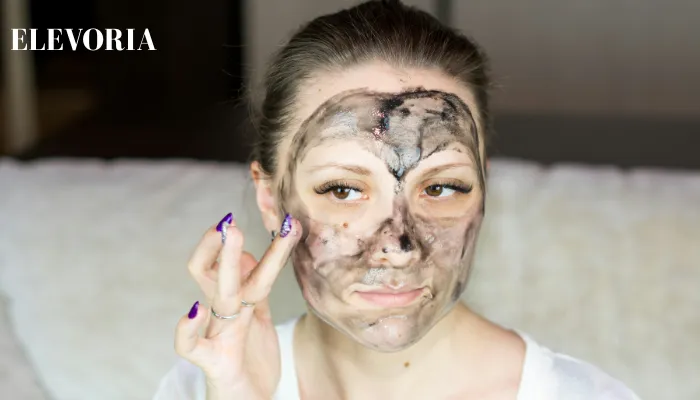
Good Skin Mask: How to Choose and Use Face Masks for Healthy Skin
Introduction
Walk into any beauty store or scroll through social media, and you will see face masks everywhere. They come in sheets, tubes, jars, and packets, promising everything from deep hydration to clearer pores and a brighter complexion. With so many options, it can be hard to know which ones actually work and which are just good marketing.
The good news is that face masks can genuinely benefit your skin. According to the American Academy of Dermatology (AAD), dermatologists have found that facial masks can help moisturize and strengthen your skin barrier and help combat signs of skin aging. Because facial masks cover your skin and you do not wash them off immediately, the active ingredients have time to absorb into your skin, says board-certified dermatologist Lauren Fine, MD, FAAD.
However, masks are not a replacement for your daily skincare routine or for treatment of skin conditions. As Dr. Fine explains, a facial mask is not a replacement for your skin care routine. Instead, it can provide a boost when used correctly alongside your regular products.
This guide covers everything you need to know about choosing and using a good skin mask: what they do, the main types, key ingredients, how to match a mask to your skin type, how often to use them, and safety warnings about DIY masks.
What Does a Face Mask Do?
A face mask is a concentrated treatment that is applied to the face and left on for a period of time, usually 10 to 30 minutes. Unlike serums or moisturizers that you apply and leave on, masks create a temporary occlusive layer that traps ingredients against the skin.
This occlusion does two things. It slows evaporation, allowing the essence to remain in contact with the skin much longer than a typical serum application. It also creates mild occlusion, which temporarily increases skin hydration and gives the skin a plumper, smoother appearance.
The result is a real, measurable improvement in skin hydration and surface smoothness. That is why your skin often looks noticeably dewier immediately after removing a sheet mask. The effect is genuine, not just marketing.
However, masks have limits. A 15 to 20 minute period of occlusion is not long enough, and the concentration of active ingredients in most masks is not high enough, to meaningfully stimulate collagen production, improve pigmentation, or rebuild the skin barrier. Any dramatic improvement you notice after one treatment is primarily the result of increased hydration rather than structural changes within the skin.
The Main Types of Face Masks
Face masks fall into a few core categories, each with different textures and purposes. According to a review published in a peer-reviewed journal, facial masks are divided into four groups: sheet masks, peel-off masks, rinse-off masks, and hydrogels.
Sheet Masks
Sheet masks are thin, fabric-like treatments soaked in a serum. They are usually made from cotton or paper, though bio-cellulose, hydrogel, and collagen varieties are also available. They are intended for single use and are applied to clean skin and left on for 15 to 30 minutes.
Sheet masks work on the principle of occlusion. The sheet slows evaporation and allows the essence to remain in contact with the skin longer than a typical serum application. Board-certified dermatologist Ava Shamban, MD, FAAD, explains that sheet masks offer an extended period of time for the ingredients to both sit on the skin and penetrate the skin. They also eliminate the possible contamination of fingers or hands that are not clean.
Clay Masks
Clay masks are rinse-off masks that use clay to absorb excess oil and draw out impurities from the pores. The type of clay matters. According to board-certified dermatologist Sonia Badreshia-Bansal, MD, kaolin clay is the most gentle and works well for sensitive or dry skin because it absorbs oil without being overly stripping. Bentonite clay is stronger and usually best for oily or acne-prone skin since it can draw out excess sebum and impurities more deeply.
A clinical study published in the Journal of Cosmetic Dermatology found that a clay mask demonstrated significant improvements in acne-related outcomes, sebum content, skin evenness, and stratum corneum water content. The study demonstrated the clay mask’s efficacy in managing acne and oily skin, improving hydration and texture.
Peel-Off Masks
Peel-off masks are applied as a liquid or gel that dries into a film you peel away. They can help remove dead skin cells and surface debris. However, they can be irritating for sensitive or dry skin, and dermatologists often advise caution with this type.
Hydrogel Masks
Hydrogel masks are made from a water-based gel material that holds and releases ingredients onto the skin. They are often used for hydration and soothing, particularly after cosmetic procedures or when skin is irritated.
Sleeping Masks
Sleeping masks are leave-on treatments applied as the final step of your evening routine. They are designed to provide extended hydration and support overnight. Many can be used as a hydrating mask or a sleeping mask depending on your needs.
Key Ingredients for Different Skin Concerns
The ingredients in a mask matter more than the sheet material itself. The AAD recommends choosing a facial mask with ingredients that address your specific skin care concerns.
For Dry or Sensitive Skin
Look for masks containing hyaluronic acid, which helps lock in water, and ingredients like centella asiatica (cica), chamomile, colloidal oatmeal, or calendula that can significantly help reduce inflammation. Dr. Anindita Sarkar, chief medical officer at Clinikally, notes that hydrating gel and cream masks offer a moisture boost for dry and dehydrated skin, helping replenish water levels and restore the skin’s natural barrier.
For Dull or Uneven Skin Tone
Brightening masks typically contain exfoliating and antioxidant-rich ingredients. Vitamin C is a popular ingredient in brightening masks, known for reducing pigmentation and enhancing luminosity. Enzyme masks made from pineapple, papaya, or pumpkin are gentle yet effective at dissolving dead skin cells. Niacinamide has the dual benefit of brightening and improving skin texture while supporting the skin barrier.
For Oily or Acne-Prone Skin
Look for masks with salicylic acid, azelaic acid, tea tree oil, or charcoal. Women’s Health notes that masks containing salicylic acid and azelaic acid can also exfoliate skin, decrease oil, and help with breakouts. Clay and charcoal can soak up excess oil.
For Sensitive or Irritated Skin
Choose masks that are free from artificial fragrances and alcohol. Look for soothing ingredients like centella asiatica (cica), chamomile, colloidal oatmeal, or calendula. The Hindustan Times advises trying to get only those products that mention hypoallergenic or dermatologist-tested on the label for an added layer of reassurance. If you have sensitive skin, avoid clay or exfoliating masks unless specifically formulated for your skin type.
How to Choose the Right Mask for Your Skin Type
The mask you choose depends entirely on your specific skin needs. Dr. Oyetewa Asempa, MD, FAAD, emphasizes that masks can be a great addition to your skin care routine to calm your skin or boost hydration, depending on the ingredients.
| Skin Type | Recommended Mask Type | Key Ingredients |
|---|---|---|
| Dry or dehydrated | Hydrating sheet or gel mask | Hyaluronic acid, glycerin, ceramides |
| Oily or acne-prone | Clay or charcoal mask | Kaolin, bentonite, salicylic acid |
| Dull or uneven | Brightening mask | Vitamin C, niacinamide, fruit enzymes |
| Sensitive or reactive | Soothing hydrogel or cream mask | Centella asiatica, oatmeal, aloe vera |
| Combination | Multi-masking or gentle clay | Kaolin clay, niacinamide, hyaluronic acid |
For those with normal skin, a sheet mask once a week is generally sufficient. Dry skin can benefit from more frequent hydrating masks, especially during winter or in dry environments. Oily skin may benefit from a clay or charcoal mask one to two times per week to control sebum and prevent clogged pores.
How Often Should You Use a Face Mask?
How often you use a face mask depends on your skin type and the type of mask.
According to dermatologist Dr. Diane Madfes, for those with normal skin, a sheet mask once a week is recommended. For oily skin, once a week is also appropriate, with masks containing green tea to help mattify the skin and minimize the appearance of pores.
For dry or dehydrated skin, sheet masks can be used two to three times per week for regular hydration. For sensitive skin, masking once a week or even less frequently may be sufficient.
Clay masks can be used one to two times per week for oily or acne-prone skin. Dr. Badreshia-Bansal recommends using a clay mask once or twice a week for optimal results since excessive use can lead to dryness or irritation.
A general rule for most mask types is one to two times per week. Some masks for conditions like acne contain potentially irritating ingredients, so they should be limited to once per week. Watch out for ingredients that include hydroxy acids or retinols, and consult your dermatologist before using these.
How to Apply a Face Mask Correctly
Using a mask correctly is as important as choosing the right one.
Step 1: Cleanse First
Always start with clean skin. Apply your mask after cleansing and toning but before your serum and moisturizer.
Step 2: Apply an Even Layer
For sheet masks, place the mask carefully on your face and smooth out any air bubbles. For rinse-off masks, apply an even layer, avoiding the eye area and lips.
Step 3: Leave On for the Recommended Time
Leave the mask on for the recommended time, usually 15 to 20 minutes. Do not leave it on until it dries completely, since a dry mask may begin pulling moisture back out of the skin. Research shows that short-term use of facial sheet masks under 25 minutes benefits skin with improved hydration, reduced redness, and AQP3 activation, while prolonged use can lead to increased dryness and redness.
Step 4: Remove and Pat In
For sheet masks, remove the mask and gently pat the remaining essence into your skin instead of rinsing it away. For rinse-off masks, rinse thoroughly with lukewarm water.
Step 5: Finish with Moisturizer
Finish with your moisturizer to help seal in hydration. This is especially important after clay or exfoliating masks, which can dry the skin.
The Risks of DIY Face Masks
DIY face masks have become popular on social media, but dermatologists warn that natural does not always mean safe. Just because an ingredient works wonders in a store-bought mask does not mean it is automatically safe to put on your face raw.
According to dermatologist Gurveen Waraich Garekar, there are several ingredients you should avoid in DIY face masks. Lemon juice has a very low pH of about 2, making it highly acidic and disruptive to the skin’s natural barrier. It can cause chemical burns, irritation, and contact dermatitis. It also contains psoralen, a phototoxic compound that can trigger burns and blistering after sun exposure.
Baking soda is alkaline with a pH of about 9 and disrupts the skin’s acid mantle, impairing its barrier function. Regular use can lead to dryness, flaking, and transepidermal water loss. Its abrasive texture can cause micro-injuries, especially on acne-prone or thin skin.
Potato juice does not erase pigmentation, and there is zero clinical evidence that raw potato juice lightens dark spots or scars effectively. Raw eggs can be contaminated with Salmonella, which may cause serious skin or eye infections.
There is also a sanitary concern. Board-certified dermatologist Lauren Fine, MD, explains that skincare products have to be prepared in a certain way to limit exposure to pathogens like bacteria. Mixing tools, bottles, and containers in a home setup can be breeding grounds for fungi and other microorganisms, which can lead to irritation, infection, and even damage your skin.
Common Mistakes to Avoid
Leaving Masks On Too Long
Leaving a sheet mask on until it dries completely can pull moisture back out of your skin. Follow the recommended time, usually 15 to 20 minutes.
Using the Wrong Mask for Your Skin Type
A clay mask that works for oily skin may be too drying for dry or sensitive skin. Match the mask to your skin type and concerns.
Masking Too Often
Using masks more frequently than recommended can irritate the skin. Most masks are designed for one to two uses per week.
Skipping Moisturizer After Masking
Masks provide hydration, but you still need moisturizer to seal it in. Always follow with moisturizer, especially after clay or exfoliating masks.
Not Patch Testing
Before using a new mask, especially if you have sensitive skin, perform a patch test on a small area of skin to check for adverse reactions.
Relying on Masks for Treatment
Masks cannot replace treatment for skin conditions like eczema or acne. They can help provide a boost when used correctly, alongside your regular skin care routine and your treatment plan.
Frequently Asked Questions
What does a good skin mask do?
A good skin mask provides a concentrated treatment that hydrates, soothes, or addresses a specific skin concern. Because masks cover your skin and are not washed off immediately, active ingredients have time to absorb. They can help moisturize and strengthen the skin barrier and combat signs of skin aging.
How often should I use a face mask?
Most mask types are best used one to two times per week. Sheet masks can be used once a week for normal and oily skin, and two to three times per week for dry or dehydrated skin. Clay masks are best used once or twice a week for oily and acne-prone skin.
What is the best face mask for my skin type?
For dry skin, choose a hydrating sheet or gel mask with hyaluronic acid. For oily or acne-prone skin, choose a clay or charcoal mask with kaolin or bentonite clay. For dull skin, choose a brightening mask with vitamin C or niacinamide. For sensitive skin, choose a soothing hydrogel or cream mask with centella asiatica or oatmeal.
Are sheet masks effective?
Yes. Sheet masks work on the principle of occlusion, which slows evaporation and allows the essence to remain in contact with the skin longer than a typical serum application. This results in a real, measurable improvement in skin hydration and surface smoothness. However, they are not a replacement for your daily moisturizer or sunscreen.
Are clay masks good for oily skin?
Yes. Clay masks can absorb excess oil and draw out impurities from the pores. A clinical study found that a clay mask demonstrated significant improvements in acne-related outcomes, sebum content, and skin evenness. Bentonite clay is stronger and usually best for oily or acne-prone skin.
Can I use a face mask every day?
Most dermatologists do not recommend daily masking. Using masks too often can irritate the skin. Most masks are designed for one to two uses per week. Exceptions may apply for hydrating masks during periods of extreme dryness, but it is best to follow the product instructions and consult your dermatologist.
Are DIY face masks safe?
Not always. Ingredients like lemon juice, baking soda, potato juice, and raw eggs can irritate the skin, disrupt the skin barrier, or cause infections. DIY masks also lack preservatives, so they can become breeding grounds for bacteria. Dermatologists recommend using formulated products with preservatives instead.
What should I look for in a face mask?
Look for ingredients that address your specific skin concern. For hydration, look for hyaluronic acid and glycerin. For brightening, look for vitamin C and niacinamide. For oil control, look for kaolin or bentonite clay, salicylic acid, or charcoal. For sensitive skin, look for centella asiatica, oatmeal, or aloe vera and avoid fragrances and alcohol.
Can face masks help with acne?
Some masks can help manage acne by absorbing excess oil and unclogging pores. A clinical study on a bentonite-based mask found it effectively reduces acne severity. However, masks cannot replace treatment for acne. They can help provide a boost when used alongside your regular skin care routine and treatment plan.
When should I see a dermatologist about face masks?
If you have persistent acne, eczema, rosacea, or other skin conditions, consult a dermatologist before using masks. If a mask causes irritation, redness, or burning, stop using it and see a dermatologist if symptoms persist.
Conclusion
A good skin mask can be a valuable addition to your skincare routine. It provides a concentrated treatment that hydrates, soothes, or addresses specific concerns, and it offers a moment of self-care. The key is to choose a mask that matches your skin type, use it at the recommended frequency, and follow up with moisturizer.
Remember these key principles:
- Choose a mask with ingredients that address your specific skin concern
- Use sheet masks for hydration and clay masks for oil control
- Leave masks on for the recommended time, usually 15 to 20 minutes
- Do not mask more than one to two times per week for most types
- Always follow with moisturizer
- Avoid DIY masks with harsh ingredients like lemon juice or baking soda
- Patch test new masks before applying them to your entire face
- See a dermatologist for persistent skin conditions
Patch Test Note: Before using any new face mask, perform a patch test on a small area of skin to check for adverse reactions. Skin reactions and results vary significantly by individual and skin type. If you experience persistent irritation, redness, or other concerning symptoms, discontinue use and consult a dermatologist or licensed healthcare provider.
Important: This article is for educational purposes and does not constitute medical advice. The information provided is general in nature and not a substitute for professional medical evaluation. If you have persistent, severe, or worsening skin concerns, or if you are pregnant, nursing, or have a diagnosed skin condition, check with your doctor or dermatologist before starting any new treatment.
Read More: SPF Face Cream: How to Choose and Use It Correctly



[…] Read More: Good Skin Mask: How to Choose the Right One for Your Skin […]