
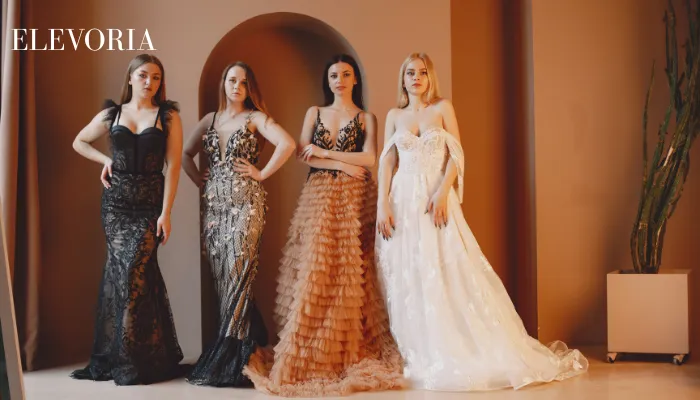
Introduction
A gown is not simply a long dress. It is a garment that carries weight, both literally and figuratively. It is the piece you wear when the occasion demands more than everyday clothing, when the room will be photographed, and when you want to feel transformed.
The distinction between a gown and a dress is subtle but meaningful. In retail and contemporary bridal language, “dress” functions as the umbrella category, while “gown” suggests formality, ceremony, and a certain cinematic sweep. All gowns are dresses, but not all dresses carry the weight, romance, or occasion implied by a gown. A maxi dress can be breezy and casual. A gown is structured, formal, and made to impress.
In 2026, the gown landscape is extraordinarily rich. Bridal fashion has stepped out of its quiet luxury era and into something far more expressive, with sculptural silhouettes, intentional drama, and customisable details. Evening wear has taken a turn toward Gothic romance, with jewel tones and historical references. And the silhouettes available, from the classic ball gown to the architectural column, offer something for every body and every occasion.
This guide covers everything you need to know about gowns in 2026. From the defining types and silhouettes to trends, fabrics, body type guidance, shopping advice, and care, it is a comprehensive resource for anyone preparing for a formal occasion.
What Is a Gown?
A gown describes a formal dress, such as most dresses worn by a wedding party or on the red carpet. Most gowns are full-length, the shortest ones ending at the knee. While gowns come in different styles, the basic shape is usually the same: close-fitting at the top or bodice and flaring at the bottom.
Historically, the term has carried a sense of formality. The Fitzwilliam Museum notes that from the late 1920s onward, the term was used to signify formal, special occasion dresses with a fitted or semi-fitted bodice and a long, flowing skirt.
The key distinction is one of formality and intent. A dress can be casual, versatile, and worn for any number of occasions. A gown is reserved for formal occasions and is designed to make a statement.
The Major Gown Silhouettes
The silhouette of a gown determines its entire character. It shapes how the fabric falls, how the body is framed, and how the gown moves. Understanding the core silhouettes is the foundation of choosing the right gown.
Ball Gown
The ball gown is the most traditional of all gown silhouettes. It features a fitted bodice and a full, dramatic skirt that creates significant volume. It is the silhouette of choice for brides with a royal sense of style, and it is striking and dramatic.
The ball gown is ideal for formal venues and anyone who loves a princess-inspired look. The volume is created through layers of fabric, often including crinoline or horsehair, and the effect is undeniably grand.
Best for: Formal weddings, galas, and anyone who wants a dramatic, fairytale entrance.
A-Line
The A-line is the most universally flattering silhouette. It is fitted through the bodice before gently flaring from the waist, creating a shape that resembles the letter A. It is elegant, easy to wear, and suits all celebrations.
The A-line is the most popular silhouette for a very good reason. It skims the hips and thighs rather than clinging, making it comfortable for long events while still creating a defined, elegant line.
Best for: Every body type, every venue, and every level of formality.
Mermaid
The mermaid silhouette hugs the body through the bodice, waist, and hips before flaring dramatically around the knees or mid-calf. This glamorous style creates a striking, body-conscious silhouette and is ideal for a fashion-forward statement gown.
The mermaid is a dramatic choice that emphasises curves. It requires precise fit, as the close-fitting bodice leaves little room for error.
Best for: Hourglass figures and formal, evening events.
Trumpet
Often confused with the mermaid, the trumpet gown begins to flare higher on the thigh, giving a similar fitted look with a little more freedom of movement. It is a beautiful balance between elegance and comfort.
Best for: Those who want the drama of a mermaid with greater mobility.
Fit and Flare
A softer alternative to the mermaid, the fit and flare silhouette skims the body before gently widening below the hips. This silhouette offers shape without feeling overly restrictive, making it a popular choice for modern brides and formal occasions.
Best for: Hourglass and pear shapes, and anyone who wants a defined waist with comfortable movement.
Sheath
The sheath dress falls straight from the hips with minimal volume. It closely follows the curves of the body without being tight. Simple and effortlessly chic, lightweight fabrics make this silhouette especially suited to destination weddings and contemporary celebrations.
Best for: Petite frames, straighter figures, and modern, minimalist occasions.
Column
The column gown has a sleek, structured shape that falls straight from the shoulders to the hem. The clean lines create a sophisticated, minimalist look that is perfect for those who love understated elegance. A column gown in a rich jewel tone is a modern alternative to the traditional ball gown.
Best for: Tall figures, minimalist aesthetics, and formal evening events.
Empire Waist
The empire silhouette features a high waistline just below the bust, with the skirt flowing softly to the floor. Romantic and relaxed, it is a lovely option for outdoor ceremonies or anyone looking for an effortlessly graceful style.
Best for: Apple shapes, plus size figures, and anyone who wants to define the area below the bust.
Basque Waist
The basque waist is the most defining silhouette for 2026. It features a corset that dips below the natural waistline to create a cinched, hourglass effect. This trend is gathering pace on social media and is a key look for bridal and evening gowns alike.
Best for: Those who want a dramatic, defined waist and a contemporary corset-inspired look.
Gown Trends for 2026
The gown landscape in 2026 is defined by a fascinating tension between historical romance and modern minimalism. Designers are drawing inspiration from Gothic literature and Victorian silhouettes while simultaneously embracing draped, fluid shapes that move with the body.
The Corset Returns
The basque waist, with its corset that dips below the natural waistline, is the defining silhouette for 2026. This trend is already gathering pace, with celebrities choosing custom gowns that feature fitted silhouettes and intricate floral embroidery.
Gothic Romance
The fall 2026 eveningwear collections took a turn toward Gothic romance, inspired by a wave of 19th-century British literature adaptations including “Frankenstein,” “Dracula,” and “Wuthering Heights”. Historical references such as Victorian collars, portrait necklines, and historical sleeves appeared as prominent details, adding romance and a sense of occasion to modern gowns.
Scarlet Fever and Jewel Tones
“Moody” was the buzzword of the season, communicated clearly through jewel tones. While emerald and sapphire popped up in almost every collection, red reigned supreme. Designers offered gowns in ruby, claret, and brick tones, creating a dramatic and confident palette.
Caped Crusaders
A trail of mystery always follows a woman in a cape. Capes appeared in sheer wisps at several collections, with designers offering cape-caftan hybrids and removable jacquard caplets for added versatility. These are ideal for drafty venues and add a dramatic flourish to formal dressing.
The Draped Gown
The draped gown is a silhouette designers return to again and again for good reason. Body-skimming examples brought a sense of newness to the familiar, while Grecian-inspired pleats and hip-hugging jersey offered modern interpretations.
Statement Veils
The veil has become the focal point of the modern bridal wardrobe. Statement veils, particularly the revival of cinematic Mantilla styles, frame gowns with a timeless, ethereal sensibility. Increasingly, brides are treating veils as personal memoirs, commissioning custom embroidery of vows, dates, or handwriting.
Versatile Gowns
Transformative bridal gowns crystallised in 2025, with brides favouring versatile looks that shift effortlessly from ceremony to celebration. A sculptural base, often a corseted or structured gown, is reimagined throughout the day with detachable trains, sheer overlays, or statement accessories.
Bold Florals and Volume
Bold florals and dramatic volume are key trends for 2026. Designers are embracing sculptural silhouettes and intentional drama, leaving fairytale tropes firmly in the past in favour of something more expressive and personal.
Gown Necklines
The neckline frames the face, the collarbone, and the décolletage. It can transform a gown from modest to dramatic, from classic to contemporary.
Bateau (Boat Neck)
A wide neckline that follows the collarbone. It is elegant and sophisticated.
Strapless
Cut straight across with no straps. It is a classic choice for formal gowns and can feature hidden no-slip strips for security.
Halter
Straps wrap around the neck, leaving the shoulders and arms bare. It is flattering for broader shoulders and offers bust support.
V-Neck
Straps create a “V” shape in front. It elongates the torso and is flattering on most body types.
Portrait
A wide, soft scoop between the shoulder tips. It is romantic and elegant.
Sweetheart
Low-cut, shaped like the top of a heart around the top of the bust. It is popular for its feminine and romantic appearance.
Scoop
A “U” shaped neckline that is relaxed and flattering.
Square
Cut straight across with straight straps to create a square shape. It is modern and elegant.
Off-the-Shoulder
Straps sit at the tops of the arms, directly under the shoulder. It is romantic and flattering for pear shapes.
Asymmetric
Different on either side, such as a one-strap design. It is bold and modern.
Jewel
Cut like a T-shirt neckline with wide straps. It is modest and classic.
Gown Fabrics
The fabric of a gown determines how it moves, how it photographs, and how comfortable you will be throughout the event.
Satin
Satin is the reliable choice for formal wear. It drapes over curves without grabbing, photographs with natural depth, and looks expensive without trying. A satin gown in navy or deep burgundy looks like it cost far more than it did.
Velvet
Velvet is heavier and more textured, genuinely warm in low light. It reads as luxurious in a way that satin doesn’t quite replicate, especially in candlelit or dimly lit ballroom settings. For fall or winter formal events, velvet is almost always the answer.
Chiffon
Chiffon is the option when you know you will be on your feet for five or six hours. Layers of it over a good lining stay cool, move with you, and still read as unmistakably formal. It is not the most dramatic choice, but possibly the most comfortable one.
Crepe
Crepe is the sleeper pick that nobody talks about enough. Matte, structured, and barely wrinkles if it is quality fabric, a well-cut crepe gown in a deep colour is one of the strongest formal looks you can build.
Tulle
Tulle is the fabric of volume and romance. It is light, soft, and creates beautiful silhouettes. It is the defining fabric of ball gowns and fairytale-inspired designs.
Silk
Silk is the most luxurious fabric for a formal gown. It is smooth, breathable, and thermo-regulating. Silk slip dresses and bias-cut gowns are elegant and timeless.
Lace
Lace adds romance and dimension. It is a popular choice for gowns because it feels festive and feminine. Lace is often used as an overlay or for detailing rather than as the main fabric.
Sustainable Fabrics
For those who prioritise sustainability, there are more options than ever. Bemberg cupro, a plant-based vegan silk made from cotton linter, is biodegradable, hypoallergenic, and thermo-regulating. Tencel Lyocell is a sustainable fibre made from wood pulp in a closed-loop process. Deadstock and upcycled fabrics give new life to materials that would otherwise be wasted.
The Textile Exchange provides certification and guidance on preferred fibres, including organic cotton, recycled materials, and other lower-impact alternatives.
Choosing a Gown for Your Body Type
There is no single “ideal” body type. A gown should make you feel confident and comfortable, and different silhouettes flatter different shapes in different ways.
Hourglass
The hourglass figure, with bust and hips of similar size and a defined waist, photographs strongest in fitted bodices that follow the waist. Corseted couture, mermaid skirts, deep V-necklines, and wrap silhouettes all work beautifully.
Pear
Pear-shaped figures, with a smaller bust and shoulders and fuller hips, balance best with structured tops and clean A-line skirts. Off-shoulder necklines and structured shoulders all work well.
Apple
Apple-shaped figures, with a fuller midsection, look strongest in empire-waist gowns and V-necklines that draw the eye upward, paired with a flowing A-line or column skirt.
Petite
Petite frames look strongest in column or sheath silhouettes, which lengthen the line. High-leg slits and proportional embellishment also work well. Custom hemming ensures the gown doesn’t pool at the floor.
Plus Size
Plus-size figures look strongest in pieces cut to actual measurements rather than sample-size patterns with a panel sewn in. Fit is the real deciding factor. A well-fitted gown in quality fabric will look more formal than an expensive dress that doesn’t sit right on the body.
Rectangle
Straight, athletic, and rectangular figures can wear a wide range of silhouettes. A-line and fit-and-flare styles create curves, while column dresses with strategic draping add dimension.
Sizing varies by brand, country, and manufacturer. Always check the specific brand’s size chart rather than assuming your usual size will fit.
How to Shop for a Gown Online
Shopping for a gown online requires a careful approach. Unlike a t-shirt that fits “okay,” a gown for a wedding or formal event has to be right for one specific day, often with no time to reorder.
Order Early
The single best move is to order with enough lead time to try it on at home, exchange a size if needed, and get alterations done if it is close but not perfect. Even a great online size often benefits from a tailor’s final touch on formalwear.
Measure Precisely
Take bust, waist, hip, and length measurements carefully. Note the model’s height for length reference on long gowns. Read every fit note, including “runs small,” “non-stretch,” and “fully lined”.
Understand the Silhouette
Occasion pieces span a huge range of cuts, and the silhouette changes everything. Bodycon and mermaid styles are unforgiving and require precise measurements. A-line and ballgown styles are forgiving below the waist, but the bust and waist still set the size. Draped and jersey styles adapt to a range but can cling.
Check the Fabric
Non-stretch formal fabrics give nothing, so when between sizes, size up. Structured fits have less tolerance than casual clothing, so the stakes are higher.
Read Reviews
Customer reviews reveal fit issues that product descriptions do not. Reading reviews from shoppers with a similar body shape and height helps set expectations.
Plan for a Tailor
Even a great online size often benefits from a tailor’s final touch on formalwear. Budget for alterations as part of the purchase.
Gown Care
Gowns are often made from delicate fabrics and feature embellishments that require careful handling.
Washing
Most gowns with tulle, lace, sequins, or beading should be dry cleaned. Always check the care label before attempting any cleaning method. If hand washing is permitted, use cool water and a gentle detergent, and handle the garment gently.
Drying
Do not tumble dry gowns with delicate fabrics. High heat can damage tulle, shrink cotton, and loosen embellishments. Air drying is always preferable.
Storage
Store gowns on a padded hanger or folded in a breathable garment bag. Avoid plastic covers, which can trap moisture and cause discolouration. Keep away from direct sunlight.
Stain Treatment
Treat stains as soon as possible. Dab gently with cold water and mild detergent. Do not scrub, as this can damage delicate fabrics and embellishments.
Common Mistakes to Avoid
Mistake 1: Confusing Gowns with Dresses
A dress can be casual and versatile. A gown is formal and reserved for special occasions. If the invitation calls for a gown, a casual maxi dress will not suffice.
Mistake 2: Ignoring the Dress Code
If the invitation says black tie, wear a floor-length gown. If it says black tie optional, a long gown or an elegant midi is appropriate. Do not show up in a cocktail dress to a black-tie event.
Mistake 3: Choosing Style Over Comfort
If you cannot sit, walk, or dance in a gown, you will not enjoy the event. Prioritise comfort alongside style.
Mistake 4: Over-Accessorising
An embellished gown does not need statement jewellery. Let the gown be the focal point and keep accessories refined.
Mistake 5: Forgetting About the Hem
A floor-length gown needs the right hem length for your height and footwear. A dress that drags risks tripping; a dress that is too short loses its elegance. Consider having the hem tailored.
Mistake 6: Not Checking the Size Chart
Sizing varies significantly between brands. Always check the specific brand’s size chart and read reviews for fit advice.
Actionable Recommendations
- Start with the dress code. Understand whether the event is white tie, black tie, black tie optional, or cocktail. This determines the length and formality of your gown.
- Choose a silhouette that suits your shape. A-line is universally flattering. Column is sleek and modern. Mermaid is dramatic and glamorous. Empire waist works well for apple shapes.
- Match the fabric to the season. Satin and crepe for structure. Velvet for warmth and drama. Chiffon for breathability. Silk for luxury.
- Order early. Allow time for exchanges and alterations. Even a great online size often benefits from a tailor’s final touch.
- Measure precisely. Take bust, waist, hip, and length measurements. Note the model’s height for length reference.
- Invest in the right undergarments. A strapless or plunge bra and seamless underwear are essential for a sleek line under a fitted gown.
- Keep accessories refined. Let the gown be the focal point.
- Consider sustainable options. Bemberg cupro, Tencel Lyocell, and deadstock fabrics are increasingly available and beautiful.
Expert Insights
The gown market in 2026 is defined by a move away from the quiet luxury era and into something far more expressive. Designers are embracing sculptural silhouettes, intentional drama, and customisable details that place a personal narrative at the forefront.
The basque waist is the most defining silhouette for 2026, featuring a corset that dips below the natural waistline to create a cinched, hourglass effect. This trend is already gathering pace on social media and is a key look for bridal and evening gowns alike.
The fall 2026 eveningwear collections at New York Fashion Week took a turn toward Gothic romance, inspired by a wave of 19th-century British literature adaptations. Historical references such as Victorian collars, portrait necklines, and historical sleeves appeared as prominent details, adding romance and a sense of occasion to modern gowns.
For those shopping for a gown, the advice is consistent: understand the dress code, choose a silhouette that flatters, match the fabric to the season, and order early enough to allow for alterations. A well-fitted gown in quality fabric will always look more formal than an expensive dress that doesn’t sit right on the body.
Frequently Asked Questions
What is the difference between a gown and a dress?
A dress is a one-piece garment that can be casual or formal, short or long. A gown is a formal, special-occasion dress, usually full-length, with a fitted bodice and a flowing skirt. All gowns are dresses, but not all dresses are gowns.
What are the main gown silhouettes?
The main silhouettes are ball gown, A-line, mermaid, trumpet, fit and flare, sheath, column, empire waist, and basque waist.
What is a basque waist gown?
A basque waist gown features a corset that dips below the natural waistline to create a cinched, hourglass effect. It is the defining silhouette for 2026.
What is the most flattering gown silhouette?
The A-line is the most universally flattering silhouette. It is fitted through the bodice and gently flares from the waist, skimming the hips and thighs.
What fabric is best for a formal gown?
Satin and crepe are ideal for structure and formal events. Velvet is warm and dramatic for fall and winter. Chiffon is breathable for summer. Silk is the most luxurious option. Tulle is used for volume and romance.
How do I choose a gown for my body type?
Hourglass figures suit fitted bodices and wrap styles. Pear shapes look beautiful in A-line and off-shoulder designs. Apple shapes benefit from empire waists and V-necklines. Petite frames look strongest in column or sheath silhouettes.
How should I shop for a gown online?
Order early to allow for exchanges and alterations, measure precisely, read the silhouette and fabric notes, and use a size recommendation for the specific garment. Plan for a tailor as a backstop.
What colours are trending for gowns in 2026?
Jewel tones are dominant, including emerald, sapphire, ruby, claret, and brick red. The purple palette, from smoky lilac to rich plum, is also key.
What are sustainable options for gowns?
Bemberg cupro, Tencel Lyocell, and deadstock fabrics are sustainable options. Rental and second-hand gowns also reduce environmental impact.
How do I care for a gown?
Most gowns should be dry cleaned. Always check the care label. Store on a padded hanger or in a breathable garment bag. Treat stains promptly and gently.
Conclusion
A gown is more than a garment. It is a decision about how you show up for a significant occasion. It carries weight, romance, and a sense of ceremony. Choosing the right gown means understanding the dress code, choosing a silhouette that flatters, matching the fabric to the season, and ensuring the fit is precise.
In 2026, the options are broader and more exciting than ever. From the dramatic basque waist to the classic A-line, from Gothic romance to sleek minimalism, there is a gown for every style and every body. Whether you are dressing for a wedding, a gala, a prom, or a red carpet, the principles remain the same: decode the dress code, choose a silhouette that flatters, match the fabric to the season, and order early enough to allow for alterations.
The most important takeaway is this: the best gown is the one that makes you feel elegant, comfortable, and confident. Trends provide inspiration, but personal style is enduring. Use this guide as a starting point, then make it your own.
Read More: Office Wear for Women 2026: Trends, Dress Codes & Guide

[…] Read More: Gowns 2026: Complete Guide to Types, Trends & Buying […]