
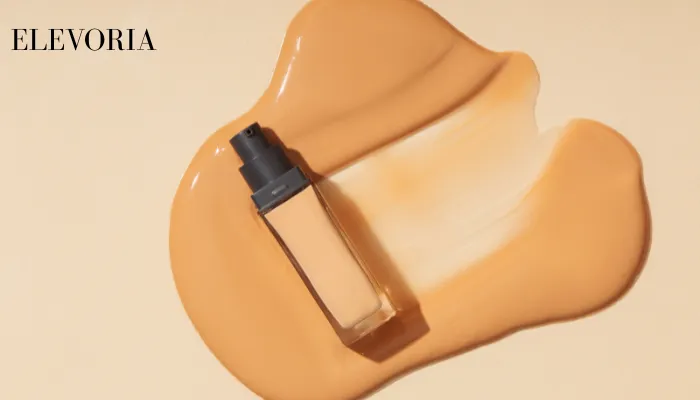
Liquid Foundation: A Complete Guide to Formulas, Finishes, and Choosing the Right One
Liquid foundation is the most popular and versatile makeup base available. It comes in hundreds of shades, dozens of formulas, and finishes ranging from matte to radiant. That variety is exactly what makes it so effective, and also what makes it so confusing to shop for.
The challenge is not finding a liquid foundation. It is finding the one that matches your skin type, your preferred finish, your coverage needs, and your undertone. A formula that works beautifully on dry skin can slide off oily skin within hours. A shade that looks perfect indoors can turn orange in natural light.
This guide breaks down everything you need to know about liquid foundation, from the different base types and finishes to ingredient considerations, application techniques, and the mistakes that undermine even the best product. It is written for anyone who wants clear, practical guidance without marketing hype.
What Is Liquid Foundation?
Liquid foundation is a pigmented makeup product that comes in a liquid format, typically water-based, silicone-based, or oil-based. It is designed to even out skin tone, conceal blemishes and discoloration, and create a smooth canvas for other makeup.
A product guide from WellPeople describes liquid foundation as a blanket term for foundation that comes in a liquid format, often offering light-to-medium coverage and skin-loving benefits for a glowy complexion. e.l.f. Cosmetics describes it as a pigmented makeup mixture that works to turn your skin into a smooth, even canvas while concealing blemishes.
Liquid foundation is the most versatile formula because of its range of coverage capabilities. Clinique notes that you can apply a light layer for a sheer natural finish, or add more to build up to medium or full coverage. It is also available in a wide range of finishes, from matte and demi-matte to satin and dewy.
The Three Base Types of Liquid Foundation
The base of a liquid foundation determines how it feels on the skin, how it wears throughout the day, and which skin types it suits best. The table below summarises the three main base types.
| Base Type | Key Characteristics | Best For | Considerations |
|---|---|---|---|
| Water-based | Lightweight, breathable, often oil-free | Oily, combination, acne-prone skin | May separate if not shaken well; pairs best with water-based primers |
| Silicone-based | Silky, smooth, blurring effect | Most skin types, especially those wanting a poreless finish | Can be problematic for some silicone-sensitive individuals |
| Oil-based | Rich, emollient, hydrating | Dry, mature, dehydrated skin | Can feel heavy on oily skin; may clog pores for some |
A celebrity makeup artist quoted by Preview.ph, Jason Delos Reyes, explained that water-based and silicone-based products generally work well for combination skin, while oil-based foundations are best for dry skin. He also emphasised that skin prep should match the foundation base: water-based moisturisers pair best with water-based foundations, while creams suit silicone and oil-based formulas. This pairing ensures your foundation sits on the skin without slipping off or caking up.
For oily and acne-prone skin, oil-free and non-comedogenic formulas are generally recommended. Dermablend’s Flawless Creator Liquid Foundation Drops, for example, is described as oil-free, non-comedogenic, and suitable for oily, combination, acne-prone, and sensitive skin. The formula contains only 10 ingredients, which reduces the likelihood of irritation for reactive skin.
Understanding Liquid Foundation Finishes
Foundation finish refers to how the product looks on the skin once it has set. The finish affects how the foundation wears throughout the day and how it interacts with your skin type. The table below summarises the main finishes and who they suit.
| Finish | Best For | Characteristics |
|---|---|---|
| Matte | Oily skin; long-wear needs | Shine-free, powder-like finish; can emphasise dryness on dry skin |
| Natural | Most skin types; everyday wear | Balanced finish that looks like skin; neither too shiny nor too flat |
| Satin | Combination and balanced skin | Subtle luminosity that keeps skin looking like skin, without high shine |
| Radiant or Dewy | Dry or mature skin; dull skin | Luminous, glowing finish; can look greasy on oily skin |
| Luminous | Normal to dry skin | Radiant, glowing look with a soft-focus effect |
A guide from Stylist describes satin foundation as the “Goldilocks of base products.” It has a subtle luminosity that keeps skin looking like skin, without the high-shine finish of something overtly glowy. It is also one of the easiest finishes to wear across different skin types, particularly for combination skin.
For oily skin, a soft-matte finish can offer better longevity. Stylist notes that the new generation of matte bases is much softer than the flat, powdery foundations of the past, designed to dial down excess shine while still allowing skin to retain some dimension.
For dry or mature skin, luminous and radiant finishes are generally more flattering. A celebrity makeup artist quoted by Yahoo Shopping, Catrina Breitweiser, stated that “satin or radiant finishes are far more flattering than heavy mattes, which can emphasise texture and fine lines.”
Coverage Levels in Liquid Foundation
Liquid foundation offers the widest range of coverage options of any foundation format. Coverage refers to how much of the skin’s natural tone and texture is visible through the product.
| Coverage Level | What It Does | Best For |
|---|---|---|
| Sheer | Evens tone slightly; skin remains visible | Natural makeup days; good skin; sheer tint lovers |
| Light | Evens tone without masking texture | Everyday wear; minimal makeup looks |
| Medium | Conceals blemishes and discoloration while still looking like skin | Most everyday needs; the most versatile level |
| Full | Conceals most imperfections; creates a uniform canvas | Special occasions; acne-prone or textured skin; photography |
Liquid foundation is buildable, meaning you can start with a light layer and add more product to increase coverage. A product guide from e.l.f. Cosmetics notes that liquid foundation is one of the most versatile formulas because of its range of coverage capabilities. You can apply a light layer to impart a sheer natural finish, or add more to build up to medium or full coverage.
A Nykaa beauty guide similarly describes liquid foundation as providing medium to full coverage depending on how much you apply. This buildability is one of the main reasons liquid foundation remains the most popular format.
Key Ingredients in Liquid Foundation
The ingredients in a liquid foundation determine its texture, finish, wear time, and suitability for different skin types. The table below summarises the main ingredient categories.
| Ingredient Category | Examples | Function |
|---|---|---|
| Water | Aqua, water | Base for water-based formulas; lightweight and breathable |
| Silicones | Dimethicone, cyclopentasiloxane | Create a smooth, silky finish; blur pores and fine lines |
| Emollients | Glycerin, squalane, vegetable oils | Soften and condition the skin; provide hydration |
| Pigments | Iron oxides, titanium dioxide | Provide colour and coverage |
| Beneficial additives | Niacinamide, hyaluronic acid, vitamin C, peptides | Support skin health; brighten, hydrate, or firm |
Niacinamide is a particularly common addition to modern liquid foundations. Armani Beauty’s Luminous Silk Foundation was reformulated to include niacinamide, along with glycerin and other ingredients, and is described as non-comedogenic and suitable for acne-prone or oily skin.
A product page for Kiko Milano’s Liquid Skin Second Skin Foundation lists hyaluronic acid, vitamin C, resveratrol, and creatine as active ingredients that help moisturise, maintain elasticity, and keep the skin soft. These hybrid formulas blur the line between makeup and skincare.
For acne-prone skin, salicylic acid is sometimes added to liquid foundations. Clinique’s Acne Solutions Liquid Makeup is an oil-free foundation with 0.5% salicylic acid, which helps visibly unclog pores, clear blemishes, and prevent future breakouts. It is dermatologist tested and is described as a dermatologist-recommended foundation brand.
How to Choose Liquid Foundation for Your Skin Type
The most important factor in choosing a liquid foundation is your skin type. A formula designed for oily skin will feel uncomfortable and drying on dry skin, and a rich, hydrating foundation may slide off oily skin within hours.
Oily and Acne-Prone Skin
For oily skin, choose oil-free, non-comedogenic formulas with a matte or natural finish. Lightweight, water-based textures work well. Look for ingredients like niacinamide, which helps regulate oil, and avoid heavy oils and thick emollients that can clog pores.
Jason Delos Reyes noted that those with oily skin may benefit from a matte finish in humid conditions. A soft-matte formula can also offer better longevity for those whose foundation tends to disappear from the T-zone by lunchtime.
Dry and Mature Skin
For dry skin, choose hydrating formulas with emollients like glycerin, squalane, or hyaluronic acid. Satin or radiant finishes are generally more flattering than matte, which can emphasise flaking and fine lines.
A celebrity makeup artist quoted by Elle, Katie Mellinger, stated that she prefers liquid foundations for mature skin because they tend to be lighter in texture, and lighter formulas are less likely to settle into texture imperfections. She also noted that cream foundations can be used for mature skin if sheered with a damp sponge or blended properly with a brush, but warned against going too heavy, as cream formulas can pile into fine lines.
Sensitive Skin
For sensitive skin, choose fragrance-free, hypoallergenic, dermatologist-tested formulas. Mineral-based foundations with zinc oxide or titanium dioxide are often better tolerated. ILIA Beauty’s True Skin Serum Foundation is described as dermatologist-tested, non-comedogenic, safe for sensitive skin, and formulated without fragrance.
Combination Skin
For combination skin, water-based and silicone-based foundations generally work well. A satin finish is often the most flattering for combination skin because it balances shine control with luminosity.
How to Match Your Liquid Foundation Shade
Shade matching is the most common source of foundation frustration. A foundation that matches perfectly in the store can look orange, grey, or too dark an hour later.
The first step is to identify your skin’s undertone. Undertones refer to the subtle hues beneath the skin’s surface: warm (yellow, peachy, or golden), cool (pink, red, or blue), or neutral. e.l.f. Cosmetics notes that finding your perfect liquid foundation shade starts by determining whether your skin tone is fair, medium, or deep, and then identifying your undertone.
A Vogue India guide recommends a three-step process: shade, undertone, and skin type and formula. Getting the undertone wrong is a common reason foundation looks “off.”
Swatch placement matters. Jason Delos Reyes recommends matching your shade on your chest, not your jawline or wrist. He advises picking at least three shades you think will work and testing them side-by-side on the chest. This balances out the sun-exposed areas of the face with the often more even-toned body, making for a more unified and natural finish.
Always test foundation in natural light. Delos Reyes emphasized this as one of his simplest yet most overlooked pieces of advice. Warm or cool indoor lighting will affect how the shade reads.
How to Apply Liquid Foundation Correctly
Application technique affects how the foundation looks and how long it lasts. The three main application methods are brush, sponge, and fingers, and each produces a different finish.
Brush Application
Using a brush to apply liquid foundation can give you a smooth, airbrushed finish. Maybelline recommends starting by prepping the skin with cleanser, moisturiser, and primer. Dot foundation onto your forehead, cheeks, nose, and chin, then use a brush to blend outward from the centre of your face. Be sure to blend into your hairline, jawline, and neck.
Glamour magazine, quoting makeup artists, recommends pumping a small amount of liquid foundation onto the back of your hand first. Use a dense, flat brush to pick up a minimal amount of product and apply it to the skin. Once the product is evenly distributed, use a blending sponge to soften and diffuse.
Sponge Application
Using a damp sponge gives a more natural finish. Maybelline recommends wetting your sponge with water and squeezing out the excess, then dotting foundation onto the sponge and blending onto the face using a bouncing motion.
Finger Application
Using your fingers gives a sheer, natural finish. Maybelline recommends starting with clean, dry hands, dotting a small amount of foundation onto the back of your hand, and rubbing it between your fingers to warm it up. Apply starting in the centre of the face and blend outward.
A Thai makeup artist quoted by Inquirer Lifestyle noted that warming the formula on your palm and between your fingertips helps it spread more easily and melt into the complexion, giving it a thin, almost imperceptible quality that is difficult to achieve when too much product goes on at once.
Common Mistakes People Make with Liquid Foundation
Even people who understand the basics of liquid foundation can make mistakes that undermine their results.
Choosing a formula based on finish or trend rather than skin type. This is the first mistake many make, according to Jason Delos Reyes. Pick a foundation based solely on finish or trend, and it may not work with your skin’s behaviour. Understanding your skin type and how it behaves throughout the day is the foundation of a good base.
Skipping skin prep. Prepping the skin before applying foundation is crucial. A Paula’s Choice guide notes that improper skin preparation is a common cause of patchy, uneven foundation.
Applying too much product at once. Applying too much foundation at once can result in a heavy, unnatural look. A Paula’s Choice guide recommends applying foundation in smaller amounts and building up coverage more gradually. Dragging, wiping, or roughly applying liquid foundation disturbs the skin’s natural texture and creates streaks, uneven coverage, and an obviously “made-up” appearance.
Using the wrong tools. Different tools produce different finishes. A brush gives a smooth, airbrushed look. A damp sponge gives a more natural finish. Fingers give a sheer finish. Using the wrong tool for your desired look can lead to frustration.
Not matching the base of your primer and foundation. Water-based moisturisers and primers pair best with water-based foundations. Creams and silicone-based primers suit silicone and oil-based formulas. Mismatched bases can cause foundation to slip off or cake up.
Testing foundation on the wrong part of your body. Testing on the back of the hand or jawline can be misleading. A celebrity makeup artist recommends testing on the chest for a more unified and natural finish.
Expert Insights: What Makeup Artists and Dermatologists Emphasise
Across expert interviews and published guides, makeup artists consistently return to several core principles about liquid foundation.
Skin type comes before shade. Jason Delos Reyes emphasised that the first mistake many make is picking a foundation based solely on finish or trend. Knowing your skin type and how it behaves is the foundation of a good base.
Hydration is key for mature and dry skin. A celebrity makeup artist quoted by Yahoo Shopping, Catrina Breitweiser, stated that “for mature skin, hydration and flexibility are key.” She recommends liquid or serum foundations with hydrating ingredients like hyaluronic acid, glycerin, or peptides, and advises satin or radiant finishes over heavy mattes, which can emphasise texture and fine lines.
Liquid formulas are generally preferred for mature skin. Katie Mellinger told Elle that she prefers liquid foundations for mature skin because they tend to be lighter in texture, and lighter formulas are less likely to settle into texture imperfections.
Finish and coverage should align with lifestyle and weather. Jason Delos Reyes noted that those with oily skin may benefit from a matte finish in humid conditions, while dry skin types might prefer hydrating formulas with a dewy glow, particularly in colder months. Finish and coverage preferences should align with both lifestyle and weather.
Natural light is non-negotiable for shade matching. Delos Reyes described testing foundation in natural light as his simplest yet most overlooked advice. Indoor lighting can dramatically alter how a shade reads on the skin.
Actionable Recommendations
If you are choosing or using a liquid foundation, these steps provide a practical, evidence-informed approach.
- Identify your skin type first. Oily, dry, combination, sensitive, or normal. This determines whether you need a mattifying, hydrating, or gentle formula, and which base type will work best.
- Choose a formula that matches your skin type. Oil-free and non-comedogenic for oily or acne-prone skin. Hydrating with glycerin or hyaluronic acid for dry or mature skin. Fragrance-free and dermatologist-tested for sensitive skin.
- Select a finish that suits your skin. Matte or soft-matte for oily skin. Satin or radiant for dry or mature skin. Natural for most everyday wear.
- Match your base to your primer and moisturiser. Water-based with water-based. Silicone-based with silicone-based. Oil-based with cream moisturisers. This prevents slipping and caking.
- Swatch on your chest, not your hand or jawline. Test at least three shades side-by-side in natural light. Wait a few minutes to account for oxidation before deciding.
- Prep your skin before application. Cleanse, moisturise, and apply primer. Allow each layer to absorb before applying the next.
- Apply in thin layers and build coverage gradually. Start with a small amount and add more only where needed. This prevents a heavy, cakey finish.
- Use the right tool for your desired finish. A brush for a smooth, airbrushed look. A damp sponge for a natural finish. Fingers for a sheer, skin-like finish.
- Remove makeup thoroughly every night. Use a gentle makeup remover or double cleanse to prevent residue buildup that can clog pores.
- Consult a professional for persistent concerns. If you have a diagnosed skin condition, are pregnant or nursing, or notice persistent irritation or breakouts despite using a suitable foundation, speak with a doctor or dermatologist.
Conclusion
Liquid foundation is the most versatile makeup base available, offering a range of coverage levels, finishes, and formulas to suit virtually every skin type. The key to finding the right one is understanding your skin type, choosing a formula that matches it, selecting a finish that flatters, and applying it with the right technique.
Water-based foundations work well for oily and combination skin. Silicone-based formulas provide a smooth, blurring effect for most skin types. Oil-based foundations are best for dry and mature skin. Finishes range from matte to radiant, and coverage can be built from sheer to full.
Skin prep, shade matching on the chest in natural light, and building coverage in thin layers are the habits that separate a flawless finish from a frustrating one. With the right formula and the right technique, liquid foundation can even out skin tone, conceal imperfections, and create a smooth, natural-looking canvas that lasts all day.
Disclaimer
This article is general educational content that synthesises publicly available dermatological and cosmetic science information. It is not personalised medical advice and is not a substitute for consultation with a qualified healthcare provider. Reactions and results vary by individual and skin type. Patch testing is recommended before introducing any new skincare or makeup product. If you are pregnant, nursing, or have a diagnosed skin condition, consult a doctor or dermatologist before starting a new active ingredient. If you have persistent, severe, or worsening skin symptoms, seek care from a licensed provider.
FAQ
What is liquid foundation?
Liquid foundation is a pigmented makeup product that comes in a liquid format, typically water-based, silicone-based, or oil-based. It is designed to even out skin tone, conceal blemishes, and create a smooth base for other makeup. It is available in a range of coverage levels from sheer to full and finishes from matte to radiant.
What is the best liquid foundation for oily skin?
The best liquid foundation for oily skin is oil-free, non-comedogenic, and water-based, with a matte or soft-matte finish. Look for lightweight textures and ingredients like niacinamide that help regulate oil. Avoid heavy oils and thick emollients that can clog pores.
What is the best liquid foundation for dry skin?
For dry skin, choose a hydrating liquid foundation with emollients like glycerin, squalane, or hyaluronic acid. Satin or radiant finishes are generally more flattering than matte, which can emphasise flaking and fine lines.
What is the best liquid foundation for mature skin?
Liquid foundations are generally preferred for mature skin because they are lighter in texture and less likely to settle into fine lines. A celebrity makeup artist quoted by Yahoo Shopping recommends liquid or serum foundations with hydrating ingredients like hyaluronic acid, glycerin, or peptides, with satin or radiant finishes.
What is the best liquid foundation for acne-prone skin?
For acne-prone skin, choose oil-free, non-comedogenic formulas. Some liquid foundations contain salicylic acid, which can help unclog pores and prevent breakouts. Dermablend and Clinique both offer dermatologist-tested options suitable for acne-prone skin.
How do I match my liquid foundation shade?
Swatch on your chest, not your hand or jawline, and test at least three shades side-by-side in natural light. Wait a few minutes to account for oxidation before deciding. Matching your undertone (warm, cool, or neutral) is as important as matching the depth of the shade.
What is the difference between water-based and silicone-based foundation?
Water-based foundations are lightweight and breathable, making them suitable for oily and combination skin. Silicone-based foundations create a smooth, silky finish that blurs pores and fine lines, and work well for most skin types. The base of your foundation should match the base of your primer and moisturiser for best results.
How do I apply liquid foundation for a natural look?
Apply in thin layers and build coverage gradually. Start with a small amount and add more only where needed. Use a damp sponge for a natural finish, a brush for a smooth airbrushed look, or your fingers for a sheer finish. Always blend into your hairline, jawline, and neck.
What are the most common liquid foundation mistakes?
Common mistakes include choosing a formula based on trend rather than skin type, skipping skin prep, applying too much product at once, using the wrong tools, mismatching the base of your primer and foundation, and testing foundation on the wrong part of your body. Avoid these to get the best results.
When should I see a dermatologist about foundation and my skin?
See a dermatologist if you have a diagnosed skin condition, experience persistent irritation or breakouts despite using a suitable foundation, or if your acne is leaving dark marks or scars. A board-certified dermatologist can help you choose products and a routine suited to your skin.
Read More: Foundation Makeup: Types, Formulas & How to Choose


[…] Read More: Liquid Foundation: Types, Finishes, and How to Choose […]