
Long Layers Haircut: What It Is, Who It Suits, and How to Style It
Quick answer
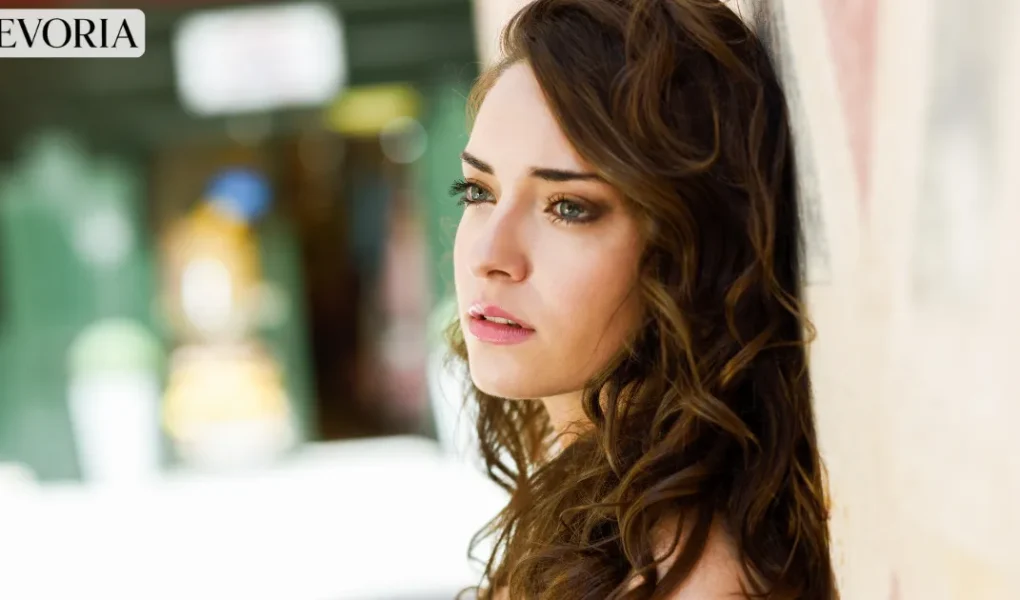
A long layers haircut keeps the overall length of the hair largely intact while adding movement and shape through layers cut at varying lengths throughout the hair, rather than cutting the hair uniformly to one length. It is one of the most versatile and widely requested haircuts specifically because it adds volume, movement, and face-framing detail without sacrificing length, making it a common choice for people who want a change without committing to a dramatically shorter cut.
If you searched “long layers haircut,” you are most likely trying to understand what this specific cut actually looks like, whether it suits your hair type and face shape, or how to describe it accurately to your stylist. This guide covers all of that with practical, specific detail.
What is a long layers haircut?
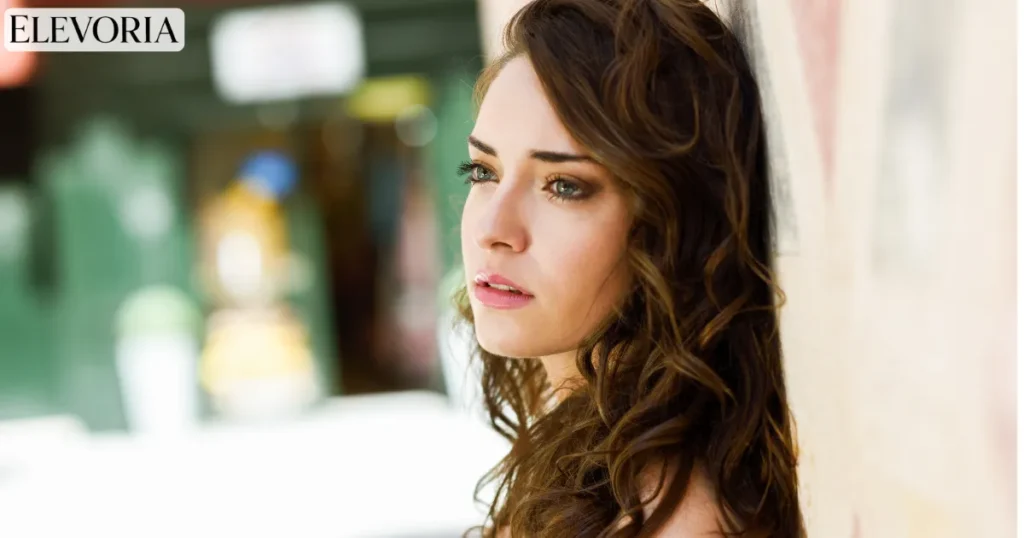
A long layers haircut refers to a layering technique applied to long hair, where sections of hair are cut at different lengths throughout the style rather than leaving all the hair blunt and one length. The shortest layers are typically found closer to the crown or face-framing areas, gradually blending into the longest layers at the back and bottom of the style.
This differs from a blunt cut, where all hair ends fall at the same length, creating a heavier, more uniform silhouette. Layering instead removes some weight and bulk throughout the mid-lengths and ends, which is what creates the movement and shape long layers are known for.
Why long layers are so widely requested
Long layers solve a specific styling problem that many people with naturally thick, heavy, or one-length long hair run into: the hair can look flat, weighed down, or lacking in shape despite significant length. Layering redistributes where the hair’s weight sits, adding the appearance of volume and movement without requiring an actual reduction in overall length.
This is also why long layers work across a wide range of hair textures and types, since the core technique, removing weight strategically throughout the length, addresses a common styling challenge rather than serving one specific hair type alone.
Types of long layer haircuts
Face-framing long layers
Shorter layers specifically cut around the face, generally starting around the cheekbone or jaw area, designed to highlight and frame facial features while the rest of the length remains longer.
Long layers with curtain bangs
Combining long layers with curtain bangs, a longer, side-parted fringe style, creates a cohesive, face-framing effect that blends the bangs into the overall layered shape rather than treating them as a separate element.
Subtle or soft layers
Layers cut with less dramatic length variation throughout, creating gentle movement and shape without a heavily textured or choppy appearance, generally suited to those wanting a more understated update to a long, one-length style.
Choppy or textured long layers
More dramatic length variation and texturizing throughout the layers, creating a more visibly piecey, textured look, often associated with a more editorial or trend-forward styling approach.
Long layers with a shorter money piece
Layering combined with a specifically highlighted or lighter-colored face-framing section, often called a “money piece,” which draws additional attention to the layered, face-framing detail through color contrast.
Does a long layers cut suit every face shape?
While personal preference plays the largest role, a few general tendencies are commonly cited by hairstylists:
| Face shape | How long layers can help |
|---|---|
| Round | Face-framing layers starting below the cheekbone can help elongate the appearance of the face |
| Square | Softer, face-framing layers around the jawline can help soften strong angles |
| Oval | Generally considered flexible for most long layer variations, given balanced overall proportions |
| Heart-shaped | Layers that add width lower on the face can help balance a narrower chin |
| Long | Layers starting slightly higher, adding width through the mid-face area, can help balance overall proportions |
These are general tendencies rather than strict rules, and hair texture, density, and personal styling preference all affect how any specific long layer cut ultimately looks in practice.
Does hair type affect how long layers look?
- Straight hair: layers tend to show clearly defined movement and shape, since there is less natural texture to disguise the layering pattern
- Wavy hair: layers often enhance natural wave pattern, since the removed weight allows waves to move and bounce more freely than in a heavier, one-length cut
- Curly hair: layers can help manage volume and shape in curly hair, though curl shrinkage needs to be accounted for during cutting, since curls sit higher once dry compared to their stretched, wet length
- Thick hair: layering is often specifically recommended for thick hair, since it removes bulk and weight that can otherwise make long, one-length thick hair feel heavy or difficult to style
- Fine hair: layers can add the appearance of volume and movement to fine hair, though very short, heavily textured layers can sometimes make fine hair look thinner if overdone, making a more moderate layering approach often preferable for finer hair types
How to talk to your stylist about long layers
Because “long layers” can mean different things depending on the specific technique and desired outcome, being specific with your stylist helps avoid a result that does not match your expectations.
- Bring reference photos, ideally of hair with a similar texture and length to your own, since layering looks different across different hair types.
- Specify how much length variation you want. Subtle, blended layers create a different overall effect than more dramatic, choppy layering.
- Discuss face-framing preferences specifically, since this is one of the most customizable elements of a long layers cut and can significantly change the overall look.
- Mention your current styling routine and tools. Whether you regularly use a round brush, diffuser, or air dry your hair affects how a stylist may approach cutting and blending your layers.
- Ask about maintenance expectations. Some long layer styles require more frequent trims to maintain shape than others, depending on how the layers are cut and blended.
How to style long layers
Blow-dried, voluminous look
Using a round brush while blow-drying, focusing on lifting the layers at the root and directing ends inward or outward depending on desired shape, creates a polished, voluminous result.
Natural texture with minimal styling
Applying a lightweight texturizing product to damp hair and allowing it to air dry lets the layers’ natural movement show through with minimal effort, particularly effective for wavy hair types.
Curled or waved styling
Curling iron or wand styling on long layers tends to show more defined, bouncy movement than the same technique on one-length hair, since the layers already introduce some natural separation and shape.
Sleek, straight styling
Straightening long layers can create a sleek look while still maintaining some face-framing shape from the layering, differing from a completely blunt, one-length straight style.
Common mistakes people make with long layers
- Not bringing clear reference photos to a stylist appointment. Since “long layers” covers a wide range of specific techniques and outcomes, vague verbal descriptions alone can lead to a result that does not match expectations.
- Choosing overly short, dramatic layers for fine hair. While layering can add the appearance of volume to fine hair, very short or heavily textured layers can sometimes have the opposite effect, making fine hair look thinner rather than fuller.
- Not accounting for curl shrinkage when cutting layers into curly hair. Curly hair sits higher once dry, and not planning for this during cutting can result in layers that are shorter or more dramatic than intended once the hair is fully dry and in its natural curl pattern.
- Skipping regular trims. Layers, particularly face-framing sections, can grow out and lose their intended shape more quickly than a simple one-length trim, making regular maintenance appointments important for keeping the cut looking intentional.
- Using heavy styling products that weigh down the layers. This can undermine the volume and movement that layering is specifically meant to create, particularly for finer hair types.
- Assuming all long layer cuts require the same styling routine. Subtle, soft layers and more dramatic, choppy layers often call for different styling approaches to look their best.
Actionable recommendations
- Bring specific reference photos to your stylist appointment, ideally matching your hair type and length, to communicate your desired layering style clearly.
- Discuss face-framing preferences specifically, since this is one of the most customizable elements of a long layers haircut.
- Choose a more moderate layering approach if you have fine hair, avoiding very short, heavily textured layers that can sometimes make fine hair appear thinner.
- If you have curly hair, make sure your stylist accounts for curl shrinkage when cutting layers, to avoid a more dramatic result than intended once your hair fully dries.
- Plan for regular trims to maintain your layers’ intended shape, particularly for face-framing sections that can grow out more noticeably than the rest of the cut.
- Use lightweight styling products to avoid weighing down the volume and movement that layering is meant to create.
Frequently asked questions
What is the difference between long layers and a regular long haircut? A regular long haircut without layers is typically cut to one uniform length, while long layers involve cutting sections of hair at varying lengths throughout the style to add movement, volume, and shape.
Do long layers make hair look thinner or thicker? This depends on the specific layering approach. Moderate, well-blended layers generally add the appearance of volume and movement, while very short, heavily textured layers can sometimes make fine hair look thinner if overdone.
Are long layers good for thick hair? Yes, layering is often specifically recommended for thick hair, since it removes bulk and weight that can make long, one-length thick hair feel heavy or difficult to style.
How often do long layers need to be trimmed? This varies by the specific style, but many long layer cuts, particularly those with face-framing sections, benefit from trims every eight to twelve weeks to maintain their intended shape.
Do long layers work on curly hair? Yes, though curl shrinkage needs to be carefully accounted for during cutting, since curly hair sits higher once dry compared to its stretched or wet length.
What face shape suits long layers best? Most face shapes can suit some variation of long layers, since the specific layering pattern, such as where face-framing layers start, can be adjusted to complement different face shapes.
Can I add curtain bangs to a long layers haircut? Yes, curtain bangs are commonly paired with long layers, creating a cohesive, face-framing effect that blends into the overall layered shape.
How do I describe long layers to my stylist? Bring reference photos matching your hair type and length, and be specific about how much length variation you want and where you want face-framing layers to start, since “long layers” can refer to a wide range of specific techniques and outcomes.
The bottom line
A long layers haircut remains one of the most versatile and widely requested styles because it adds movement, volume, and face-framing shape without requiring a significant reduction in length, addressing a common styling challenge across many different hair types. Bringing clear reference photos, discussing face-framing preferences specifically, and choosing a layering approach suited to your particular hair type and density are what separate a long layers cut that looks intentional and flattering from one that does not match expectations.
Read More: Micro Bangs: What to Know Before You Commit


[…] Read More: Long Layers Haircut: What to Know Before You Cut […]