
Wedding Cakes: A Complete Guide to Styles, Flavors, and Planning
Quick answer
A wedding cake is the ceremonial dessert centerpiece of a wedding reception, traditionally cut by the couple as part of the celebration. Modern wedding cakes range from classic tiered fondant designs to naked cakes, buttercream finishes, and semi-naked styles, with cost generally influenced by size, number of servings, design complexity, and flavor or filling choices. Most couples order their cake eight to twelve weeks before the wedding, though popular bakeries in peak wedding season may require booking several months earlier.
If you searched “wedding cakes,” you are most likely planning a wedding and trying to understand cake styles, how to choose flavors and a baker, what a realistic budget looks like, or how sizing and serving counts actually work. This guide covers all of that with practical planning detail.
What is a wedding cake, and why does it remain a tradition?
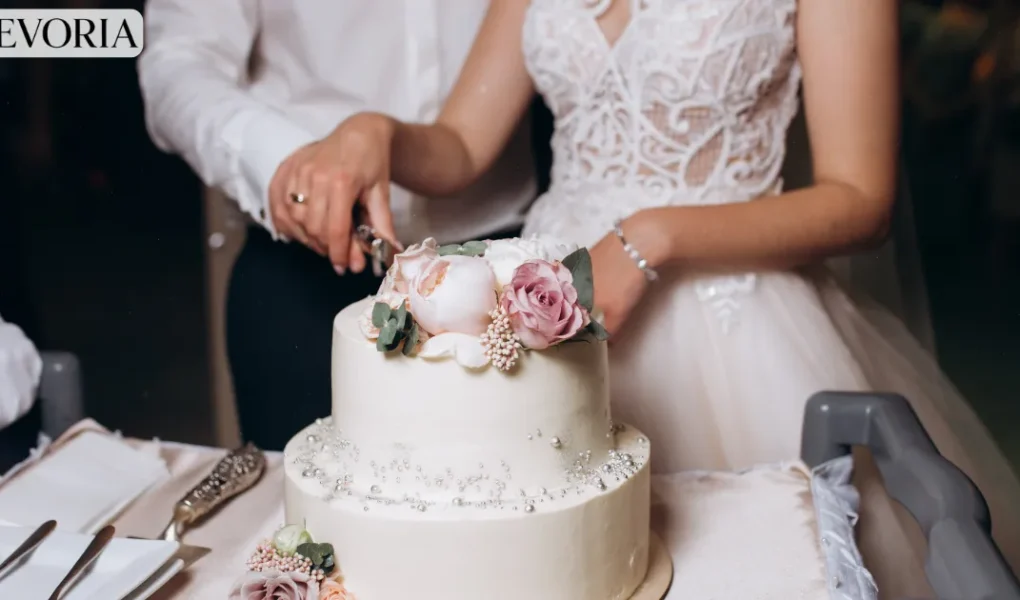
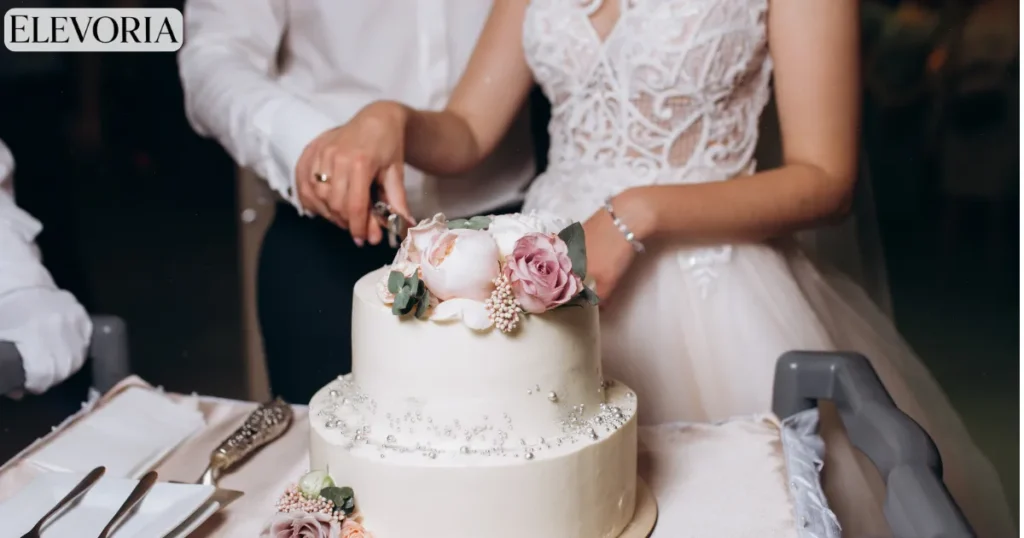
A wedding cake is a multi-tiered or single-tier cake served at a wedding reception, traditionally cut jointly by the couple in a ceremonial moment often accompanied by photos and toasts. The tradition has roots in multiple historical customs across different cultures, evolving over time into the tiered, decorated cakes commonly associated with modern Western weddings.
Beyond tradition, the wedding cake also frequently serves as a visual centerpiece for the reception space, meaning design choices often need to complement the broader event’s color palette, florals, and overall aesthetic, not just taste good.
Popular wedding cake styles
Classic tiered cake
The traditional multi-tier design, often finished in fondant or smooth buttercream, remains a popular choice for formal weddings, offering a polished, structured look that photographs well and scales easily for larger guest counts.
Naked cake
A style that leaves the cake’s sides largely unfrosted, showing the layers and filling, often finished with fresh fruit, flowers, or minimal decoration. This style became particularly popular for rustic, outdoor, or less formal wedding aesthetics.
Semi-naked cake
A middle ground between a fully frosted cake and a naked cake, with a thin layer of frosting that still allows some of the cake’s layers to show through, offering texture without the fully bare look of a true naked cake.
Buttercream cake
Finished with a smooth or textured buttercream frosting rather than fondant, buttercream cakes generally offer a softer, less structured look and are often preferred for their taste, since many people find buttercream more flavorful than fondant.
Fondant cake
A smooth, matte finish achieved by covering the cake in a pliable sugar paste, allowing for very precise, clean lines and detailed decorative work, though fondant itself is sometimes removed by guests who prefer the taste of the cake underneath.
Textured or “cake art” designs
An increasingly popular category covering hand-painted details, textured buttercream techniques (like ruffles or basket weave), and other artistic finishes that move beyond a simple smooth or naked aesthetic.
Wedding cake sizes and serving counts
Wedding cake sizing is generally calculated by the number of servings needed, which depends on total guest count and whether the cake will be the only dessert served or one of several options.
| Guest count | Approximate tiers needed | Notes |
|---|---|---|
| Under 50 guests | 1 to 2 tiers | A smaller cake or a display cake paired with a larger sheet cake in the kitchen for serving |
| 50 to 100 guests | 2 to 3 tiers | A common range for mid-sized weddings |
| 100 to 150 guests | 3 to 4 tiers | Requires careful planning with your baker for tier proportions |
| 150+ guests | 4 or more tiers, or a display cake plus sheet cake | Many bakers recommend a smaller display cake for photos, supplemented by a simpler sheet cake for actual serving, to manage cost |
A common industry practice, worth knowing before your first tasting, is using a smaller “display” tier arrangement for photos and cake-cutting, while a plain sheet cake prepared in the kitchen is used to serve the bulk of the guest list. This can significantly reduce cost compared to a fully tiered cake sized to serve every guest directly.
Choosing wedding cake flavors and fillings
- Classic vanilla or almond cake, often paired with buttercream or a simple fruit filling, remains one of the most widely chosen options for its broad appeal
- Chocolate cake, paired with ganache, chocolate buttercream, or fruit fillings, is a common alternative for couples wanting a richer flavor profile
- Lemon or citrus cake, often paired with a lemon curd filling, is a popular choice for spring and summer weddings
- Red velvet, typically paired with cream cheese frosting, offers a distinctive flavor and color that can also complement certain color palettes
- Spice cake, often paired with cream cheese or caramel filling, works particularly well for fall weddings
Many couples choose different flavors for different tiers, allowing guests some variety while still presenting a cohesive overall design. This is a common and practical way to accommodate different taste preferences without significantly complicating the ordering or design process.
How much do wedding cakes typically cost?
Wedding cake pricing varies significantly based on region, baker experience, design complexity, and serving count, so it is not possible to state a single reliable national average with confidence. Instead, cost is generally driven by these specific factors:
- Per-serving pricing, which most bakers use as their base pricing structure, with more elaborate designs commanding a higher per-serving rate than simple finishes
- Design complexity, including hand-piped details, sugar flowers, hand-painting, or elaborate textured techniques, which require more labor and typically increase cost
- Delivery and setup, particularly for larger, multi-tier cakes that require careful transport and on-site assembly
- Tasting fees, which some bakeries charge separately, though many apply this fee toward your final order if you book with them
Rather than relying on a general cost estimate, requesting detailed, itemized quotes from a few local bakers based on your specific guest count and design preferences will give you the most accurate sense of realistic cost for your specific wedding.
How to choose a wedding cake baker
- Start research at least six months before your wedding date, particularly for popular bakeries in high-demand wedding season months, since availability can book up well in advance.
- Schedule tastings with a shortlist of bakers, since flavor and texture preferences are highly personal and difficult to judge from photos alone.
- Review portfolio photos closely, paying attention to whether the baker has experience with the specific style you want, whether that is fondant work, naked cakes, or elaborate sugar flower detailing.
- Ask about serving count calculations, confirming how the baker calculates servings for your specific guest list and whether a display-plus-sheet-cake approach might reduce cost.
- Confirm delivery, setup, and any additional fees in writing, since these costs are sometimes itemized separately from the base cake price.
- Discuss dietary accommodations early, if needed, since options like gluten-free, vegan, or nut-free cakes may require additional lead time or a different pricing structure.
Common mistakes people make when planning a wedding cake
- Ordering too late. Popular bakeries, particularly during peak wedding season, can book up months in advance, making early outreach important even if your final design decisions come later.
- Choosing a cake style based only on photos without a tasting. Visual appeal and actual flavor and texture preference are not always the same thing, making tastings an important step before finalizing your order.
- Not accounting for guest count accurately when sizing the cake. Both underestimating and overestimating serving counts can create either a shortage or significant unnecessary cost.
- Overlooking delivery and setup logistics. Large, multi-tier cakes require careful transport and assembly, and not confirming these details in advance can create last-minute stress on the wedding day itself.
- Ignoring dietary needs until late in the planning process. Accommodations like gluten-free or vegan options often require more lead time and may need to be planned as a specific tier or separate smaller cake.
- Assuming a more elaborate design always costs proportionally more without checking. Some design elements, like fresh flowers instead of sugar flowers, can sometimes reduce cost compared to more labor-intensive alternatives, making it worth asking your baker directly about cost-effective ways to achieve a similar look.
Actionable recommendations
- Begin researching and contacting bakers at least six months before your wedding date, particularly if marrying during peak wedding season.
- Schedule tastings with a shortlist of bakers rather than choosing based on portfolio photos alone.
- Confirm serving count calculations and ask about a display-plus-sheet-cake approach if managing cost is a priority.
- Get an itemized, written quote covering the cake itself, delivery, setup, and any tasting fees.
- Discuss any dietary accommodations early in the planning process, since these may require additional lead time.
- Consider using fresh flowers, provided they are food-safe or properly separated from the cake itself, as a potentially more cost-effective decorative alternative to intricate sugar work.
Frequently asked questions
How far in advance should I order a wedding cake? Most couples finalize their cake order eight to twelve weeks before the wedding, though initial research and booking with popular bakers, particularly during peak wedding season, is often best started six months or more in advance.
How many tiers do I need for my wedding cake? This depends on guest count and whether the cake is the sole dessert. As a general guide, smaller weddings under 50 guests may need only one to two tiers, while larger weddings often use three or more tiers, sometimes supplemented by a sheet cake for actual serving.
What is the difference between a naked cake and a semi-naked cake? A naked cake has little to no frosting on its sides, showing the full layers and filling, while a semi-naked cake has a thin layer of frosting that still allows some of the cake’s texture to show through.
How much does a wedding cake typically cost? Cost varies significantly by region, design complexity, and serving count, generally calculated on a per-serving basis by most bakers, so requesting an itemized quote based on your specific needs provides the most accurate estimate.
Can wedding cakes accommodate dietary restrictions? Yes, many bakers offer gluten-free, vegan, or nut-free options, though these accommodations often require additional lead time and should be discussed early in the planning process.
Do wedding cakes need to match the wedding’s color scheme? Not strictly, but many couples choose cake colors, florals, or design details that complement the overall wedding aesthetic, since the cake often serves as a visual centerpiece during the reception.
What is a display cake, and why do some couples use one? A display cake is a smaller, fully decorated cake used for photos and the ceremonial cake-cutting, often paired with a simpler sheet cake prepared separately in the kitchen to serve the majority of guests, which can help manage overall cost.
Should I schedule a cake tasting before booking a baker? Yes, since flavor and texture preferences are highly personal and difficult to judge from photos or portfolio images alone, making a tasting an important step before finalizing your decision.
The bottom line
Choosing a wedding cake involves balancing style, flavor, serving count, and budget, and the details that matter most, accurate guest count calculations, an early start on booking a baker, and a proper tasting before committing, are often the ones easiest to overlook amid broader wedding planning. Requesting detailed, itemized quotes and discussing your specific guest count and design goals directly with a few local bakers will give you a far more accurate and useful picture than any general cost or sizing estimate alone.
Read More: Demi Lovato’s Wedding: Every Confirmed Detail About Her Marriage to Jutes
[…] Read More: Wedding Cakes: Styles, Flavors, and Planning Guide […]