
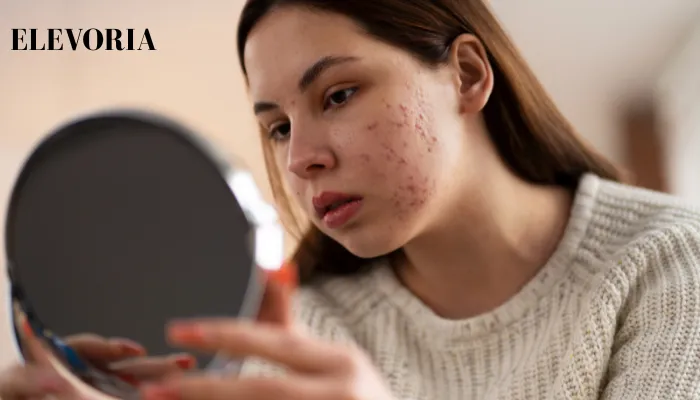
Whiteheads: What They Are and How to Treat Them
Whiteheads are one of the most common skin concerns, affecting nearly everyone at some point. They appear as small, firm, white or yellowish bumps on the skin, most often on the face, neck, back, and chest. Unlike blackheads, whiteheads remain closed at the surface, which means they do not empty when squeezed.
Despite their prevalence, whiteheads are widely misunderstood. Many people assume they are caused by poor hygiene or trapped dirt. In reality, whiteheads form when oil and dead skin cells clog a hair follicle, a process driven largely by hormones and genetics. Picking or squeezing them can worsen the problem and increase the risk of scarring.
This guide explains what whiteheads are, what causes them, how they differ from blackheads, and which treatments and skincare habits have evidence behind them. It is written for anyone who wants clear, practical answers without marketing hype.
What Are Whiteheads?
Whiteheads are a type of acne lesion known medically as closed comedones. They form when oil (sebum) and dead skin cells plug a hair follicle or sebaceous gland, and the pore remains closed at the skin’s surface. Because the clogged material is trapped beneath the skin, whiteheads appear as small white or flesh-coloured bumps rather than dark spots.
The NHS describes whiteheads as having a similar appearance to blackheads but notes they may be firmer and will not empty when squeezed. Cleveland Clinic explains that oil and dead skin close off hair follicles or sebaceous glands and form a closed bump on the skin.
Whiteheads typically affect teenagers and young adults undergoing hormonal changes. However, many adults continue to have whiteheads into their 20s, 30s, and beyond. Some even develop them for the first time as adults. Cleveland Clinic notes that whiteheads are very common and that 10% to 20% of adults have them.
Whiteheads vs. Blackheads: What Is the Difference?
Whiteheads and blackheads are both types of comedones, which are clogged pores. The primary difference is whether the clogged pore remains open or closed at the surface.
| Feature | Whiteheads (Closed Comedones) | Blackheads (Open Comedones) |
|---|---|---|
| Pore opening | Closed at the surface | Open at the surface |
| Appearance | White or flesh-coloured bumps | Dark or black bumps |
| Cause of colour | Trapped material beneath the skin | Oxidation of trapped material exposed to air |
| Texture | Firmer, raised bumps | Often flatter |
| Common locations | Chin, cheeks, jawline | Nose, forehead, chin |
Cleveland Clinic explains that blackheads are open bumps on the skin, and the dark spots are caused by an irregular light reflection off the clogged follicle, not by dirt. Whiteheads are closed bumps that look white or yellowish. Both are considered non-inflammatory acne lesions and often appear together in acne-prone skin.
The NHS notes that blackheads are not filled with dirt but are black because the inner lining of the hair follicle produces colour. Whiteheads have a similar appearance to blackheads but may be firmer and will not empty when squeezed.
What Causes Whiteheads?
Whiteheads form when a hair follicle or sebaceous gland becomes inflamed and clogged with oil and dead skin cells. Several factors contribute to this process, and they often overlap.
Excess sebum production. Sebaceous glands produce sebum, an oily substance that lubricates the skin and hair. When production is high, the excess oil can mix with dead skin cells and clog pores. Hormonal changes, particularly during puberty, increase sebum production.
Dead skin cell buildup. Skin cells naturally shed, but when the shedding process is disrupted, dead cells can accumulate inside the pore and contribute to blockage.
Hormonal fluctuations. Acne is most commonly linked to hormonal changes during puberty, but it can start at any age. The NHS notes that certain hormones cause the grease-producing glands next to hair follicles to produce larger amounts of oil.
Bacteria. The bacterium Cutibacterium acnes (formerly Propionibacterium acnes) lives on the skin and can contribute to inflammation when pores become clogged.
Pore-clogging products. Heavy or oil-based skincare and makeup products can contribute to clogged pores. The NHS advises avoiding makeup, skincare, and suncare products that are oil-based and using water-based non-comedogenic products instead.
Friction and pressure. Friction from helmets, backpacks, or tight clothing can irritate the skin and contribute to whiteheads.
Genetics. A tendency to develop acne can run in families. Oil production and skin cell turnover are influenced by genetic factors.
Medications. Certain medicines, including some steroids and hormonal treatments, can trigger or worsen acne.
How to Treat Whiteheads
Treatment for whiteheads focuses on unclogging pores, reducing oil production, and preventing new blockages from forming. A combination of over-the-counter ingredients, prescription treatments, and professional procedures may be appropriate depending on severity.
Over-the-Counter Treatments
The American Academy of Dermatology recommends using retinoids and a benzoyl peroxide wash to help treat whiteheads. Both ingredients are available over the counter in various forms.
Salicylic acid. Salicylic acid is a beta hydroxy acid (BHA) that is oil-soluble, meaning it can penetrate inside the pore to dissolve sebum, dead skin cells, and debris. It is commonly found in cleansers, toners, and spot treatments. A salicylic acid cleanser used once or twice daily can help unclog pores and prevent new whiteheads from forming.
Benzoyl peroxide. Benzoyl peroxide kills acne-causing bacteria and helps remove oil and dead skin cells from pores. It is available in creams, gels, face washes, and spot treatments. The NHS notes that products containing a low concentration of benzoyl peroxide may be recommended, but warns that it can bleach clothing.
Retinoids (adapalene). Adapalene is an over-the-counter retinoid that encourages skin cell turnover and helps prevent clogged pores from forming. Retinoids are a class of chemicals derived from vitamin A that can help treat acne. Weaker forms are available over the counter, while stronger prescription versions are also available.
Niacinamide. Niacinamide supports the skin barrier and helps regulate sebum production. It is commonly found in serums and moisturisers and is generally well tolerated.
MedlinePlus advises using a wash with salicylic acid or benzoyl peroxide if your skin is oily and prone to acne, and washing once or twice a day, and also after exercising.
Prescription Treatments
If over-the-counter treatments do not produce satisfactory results, a doctor or dermatologist may prescribe stronger medications.
Prescription retinoids. Tretinoin and tazarotene are prescription retinoids that promote faster skin renewal and help keep pores clear. They are generally more potent than over-the-counter adapalene.
Topical antibiotics. Prescription creams or gels containing antibiotics may be recommended to reduce bacteria and inflammation.
Oral antibiotics. For moderate to severe acne, oral antibiotics may be prescribed for a limited period.
Hormonal treatments. For women, oral contraceptives or anti-androgen medications may help regulate hormones that contribute to acne.
MedlinePlus notes that prescription gels or creams containing a retinoid can help clear up pimples, and that antibiotics in pill or cream form may be suggested if over-the-counter treatments are not effective.
Professional Procedures
For stubborn whiteheads that do not respond to topical treatments, a dermatologist may recommend in-office procedures.
Acne extractions. Professional acne extractions are clinical procedures where blackheads, whiteheads, and other blemishes are removed during a dermatologic appointment. This can be done manually or with tools. A dermatologist quoted by U.S. Dermatology Partners explained that professional extractions are key to effective acne treatment, especially for patients with clogged pores that do not respond to topical treatments.
Chemical peels. Chemical peels can help exfoliate the skin, unclog pores, and improve skin texture.
Laser therapy and light treatments. Laser and light therapies can target the sebaceous glands and reduce acne-causing bacteria.
Microneedling. Microneedling can help improve skin texture and reduce the appearance of acne scarring.
U.S. Dermatology Partners notes that clearing clogged pores in the early stages of a breakout can prevent the development of more severe forms of acne, reduce risk for widespread skin infections, diminish inflammation, and mitigate risk for scarring.
How to Prevent Whiteheads
Prevention focuses on keeping pores clear and reducing factors that contribute to clogging. Consistent daily habits make a meaningful difference.
Cleanse gently twice daily. Wash your face with a mild, non-drying cleanser in the morning and evening, and after exercising. The NHS advises not washing affected areas more than twice a day, as frequent washing can irritate the skin and make symptoms worse.
Use non-comedogenic products. Choose skincare and makeup labelled non-comedogenic, meaning they are formulated not to clog pores. The NHS recommends water-based non-comedogenic products as they are less likely to block pores.
Exfoliate regularly but gently. Chemical exfoliants containing salicylic acid or glycolic acid can help remove dead skin cells and keep pores clear. Physical scrubs with rough particles should be avoided as they can irritate the skin.
Avoid picking or squeezing. Squeezing whiteheads can push bacteria deeper into the skin, increase inflammation, and cause scarring. The NHS specifically advises not trying to “clean out” blackheads or squeeze spots, as this can make them worse and cause permanent scarring.
Remove makeup before bed. Sleeping in makeup can clog pores and contribute to whiteheads. Completely remove makeup before going to bed.
Wash your hair regularly. Oily hair can transfer oil to the face and contribute to clogged pores. The NHS advises washing your hair regularly and trying to avoid letting your hair fall across your face.
Protect your skin from friction. Avoid tight headbands, hats, and clothing that rub against the skin. Friction can irritate pores and contribute to whiteheads.
Use oil-free moisturiser. Even oily skin needs hydration. Choose a lightweight, oil-free moisturiser labelled non-comedogenic.
Manage stress. Stress can trigger hormonal changes that increase oil production. While stress cannot be eliminated, regular exercise, adequate sleep, and relaxation techniques can help.
Patch test new products. Before introducing any new skincare product, apply a small amount to a discreet area such as behind the ear or on the inner forearm and wait 24 to 48 hours to check for a reaction.
Expert Insights: What Dermatologists Emphasise About Whiteheads
Across published guidance and expert interviews, dermatologists consistently emphasise several key points about whiteheads.
Whiteheads are not caused by poor hygiene. Acne is a complex condition driven by hormones, genetics, and oil production. Cleansing alone cannot prevent whiteheads, and overwashing can actually make them worse.
Do not squeeze whiteheads. Whiteheads are closed pores and will not empty when squeezed. Attempting to pop them can cause inflammation, infection, and scarring. A dermatologist quoted by U.S. Dermatology Partners noted that DIY acne extraction can have complications, and that the potential for scarring, infection, and other concerns make a simple pimple pop a serious skin health concern.
Consistency is essential. Topical treatments for whiteheads take time to work. The American Academy of Dermatology notes it can take four to six weeks before you start seeing signs of improvement from topical treatments. Stopping treatment too early can allow new whiteheads to form.
A combination approach is often most effective. Whiteheads may require more than one type of treatment. The Mayo Clinic notes that multiple medications often are needed to treat acne successfully because clogged follicles, sebum production, and bacteria all contribute to the condition.
See a professional for persistent or severe whiteheads. If over-the-counter treatments are not working, a dermatologist can prescribe stronger medications or perform professional extractions. The NHS advises seeing a GP if mild acne does not respond to pharmacy treatments, or if acne is moderate or severe.
Common Mistakes People Make with Whiteheads
Many well-intentioned efforts to clear whiteheads backfire because of a few common mistakes.
Squeezing or popping whiteheads. This is the most common mistake. Whiteheads are closed pores and will not empty when squeezed. Attempting to pop them pushes bacteria deeper into the skin, increases inflammation, and can cause permanent scarring.
Overwashing the face. Washing more than twice a day can strip the skin of natural oils, irritate the skin, and actually increase oil production. Gentle cleansing twice daily is sufficient.
Using harsh scrubs. Physical exfoliants with rough particles can cause micro-tears in the skin, trigger inflammation, and worsen acne. Chemical exfoliants such as salicylic acid are gentler and more effective for unclogging pores.
Skipping moisturiser. Some people with acne-prone skin avoid moisturiser for fear of clogging pores. However, dehydrated skin can produce more oil to compensate, potentially worsening acne. A lightweight, non-comedogenic moisturiser helps maintain the skin barrier.
Using pore strips. Pore strips are designed for blackheads, which are open pores. They do not work on whiteheads because whiteheads are closed. Medical News Today notes that pore strips for the nose will not help treat whiteheads, as they only work to pull out oils from open pores.
Not patch testing. Reactions to skincare products vary by individual. Patch testing before full-face application is a simple precaution that takes 24 hours and can prevent a more widespread reaction.
Expecting overnight results. Whiteheads take time to clear. The AAD notes it can take four to six weeks before seeing improvement from topical treatments. Consistency is more important than rapid results.
Actionable Recommendations
If you want to clear whiteheads and prevent new ones from forming, these steps provide a practical, evidence-informed approach.
- Cleanse gently twice daily. Use a mild, non-drying cleanser in the morning and evening, and after exercising. Avoid overwashing.
- Use a salicylic acid cleanser or toner. Salicylic acid penetrates pores to dissolve debris. A 1 to 2 percent concentration is commonly used in over-the-counter products.
- Try a benzoyl peroxide wash or spot treatment. Benzoyl peroxide kills acne-causing bacteria and helps remove oil and dead skin cells from pores.
- Introduce an over-the-counter retinoid such as adapalene. Retinoids encourage skin cell turnover and help prevent clogged pores. Start with a low strength a few nights per week and gradually increase as tolerated.
- Choose non-comedogenic skincare and makeup. Look for products labelled non-comedogenic or oil-free. The NHS recommends water-based products as they are less likely to block pores.
- Do not squeeze or pick whiteheads. Squeezing pushes bacteria deeper, increases inflammation, and can cause permanent scarring.
- Remove makeup before bed. Sleeping in makeup can clog pores and contribute to whiteheads.
- Patch test new products. Apply a small amount behind the ear or on the inner forearm and wait 24 to 48 hours to check for a reaction.
- Be patient and consistent. Topical treatments take four to six weeks to show improvement. Consistency is more important than rapid results.
- Consult a dermatologist for persistent whiteheads. If over-the-counter treatments are not working, a dermatologist can prescribe stronger medications or perform professional extractions.
Conclusion
Whiteheads are a common form of acne that affects nearly everyone at some point. They form when oil and dead skin cells clog a hair follicle, and the pore remains closed at the surface. Unlike blackheads, whiteheads are closed and will not empty when squeezed.
Treatment focuses on unclogging pores and preventing new blockages. Salicylic acid, benzoyl peroxide, and retinoids are the most commonly recommended over-the-counter ingredients. Prescription medications and professional procedures such as acne extractions are options for persistent or severe cases. Prevention centres on gentle cleansing, non-comedogenic products, and avoiding picking or squeezing.
If whiteheads are persistent, painful, or causing distress, a dermatologist can help develop a personalised treatment plan. With consistent care and the right approach, whiteheads can be managed effectively.
Disclaimer
This article is general educational content that synthesises publicly available dermatological and cosmetic science information. It is not personalised medical advice and is not a substitute for consultation with a qualified healthcare provider. Reactions and results vary by individual and skin type. Patch testing is recommended before introducing any new skincare product. If you are pregnant, nursing, or have a diagnosed skin condition, consult a doctor or dermatologist before starting a new active ingredient. If you have persistent, severe, or worsening skin symptoms, seek care from a licensed provider.
FAQ
What are whiteheads?
Whiteheads are a type of acne lesion known as closed comedones. They form when oil and dead skin cells clog a hair follicle, and the pore remains closed at the skin’s surface. They appear as small, firm, white or yellowish bumps.
What is the difference between whiteheads and blackheads?
The main difference is whether the clogged pore is open or closed. Blackheads are open pores, and the trapped material oxidises and turns dark. Whiteheads are closed pores, so the trapped material remains beneath the skin and appears white or flesh-coloured.
What causes whiteheads?
Whiteheads form when oil and dead skin cells clog a hair follicle. Contributing factors include excess sebum production, hormonal fluctuations, bacteria, pore-clogging products, friction, genetics, and certain medications.
How do you get rid of whiteheads?
Over-the-counter treatments containing salicylic acid, benzoyl peroxide, and retinoids such as adapalene are commonly recommended. Prescription medications and professional procedures such as acne extractions are options for persistent cases. Do not squeeze or pick whiteheads, as this can cause scarring.
Can I pop a whitehead?
No. Whiteheads are closed pores and will not empty when squeezed. Attempting to pop them pushes bacteria deeper into the skin, increases inflammation, and can cause permanent scarring. Professional extraction by a dermatologist is the safe way to remove whiteheads.
How long does it take to clear whiteheads?
The American Academy of Dermatology notes it can take four to six weeks before seeing improvement from topical treatments. Consistency is essential. If over-the-counter treatments are not working after several weeks, consult a dermatologist.
Are whiteheads a sign of poor hygiene?
No. Whiteheads are caused by a combination of factors including hormones, genetics, and oil production. Poor hygiene is not the cause. In fact, overwashing can irritate the skin and make acne worse.
Do pore strips work on whiteheads?
No. Pore strips are designed for blackheads, which are open pores. They do not work on whiteheads because whiteheads are closed. Pore strips only pull oils from open pores.
What skincare routine helps prevent whiteheads?
A gentle cleanser used twice daily, a salicylic acid treatment, a non-comedogenic moisturiser, and daily sunscreen form a good baseline. Avoid picking or squeezing, remove makeup before bed, and use non-comedogenic products.
When should I see a dermatologist for whiteheads?
See a dermatologist if over-the-counter treatments are not working after several weeks, if whiteheads are severe or causing distress, if you develop nodules or cysts, or if you notice signs of infection such as increased redness, swelling, or pain.

[…] Read More: Whiteheads: Causes, Treatment, and Prevention […]