
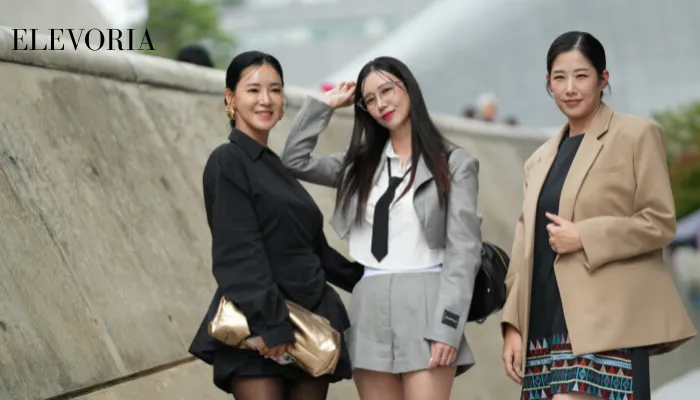
Introduction
Formal wear for women has never been more nuanced, or more exciting. The rigid rules that once governed occasion dressing have softened, replaced by a landscape where personal expression, comfort, and sustainability matter as much as tradition. Yet the fundamentals remain: understanding the dress code, choosing a silhouette that flatters, and selecting fabrics that carry the formality the occasion demands.
The 2026 formal wear season is defined by a fascinating tension between historical romance and modern minimalism. Designers are drawing inspiration from Gothic literature and Victorian silhouettes while simultaneously embracing draped, fluid shapes that move with the body. The result is a season of remarkable variety, where there is genuinely a formal outfit for every personality and every occasion.
This guide covers everything you need to know about women in formal wear in 2026. From decoding dress codes and the season’s key trends to fabrics, body type guidance, plus size options, sustainable choices, and where to shop in the UK, it is a comprehensive resource for anyone preparing for a formal event.
Decoding Formal Dress Codes
The first step in choosing formal wear is understanding what the invitation is asking for. Getting the formality level right is the foundation of successful occasion dressing.
White Tie
White tie is the most formal dress code in existence. For women, this means a full-length evening gown, traditionally with a modest neckline. The Outnet notes that white tie is “the most formal of the dress codes,” and women are expected to wear full-length dresses, “though this tends to veer more towards a gown”. Long gloves were traditionally expected but are no longer considered essential.
Black Tie
Black tie is the standard formal dress code. For women, the expectation is a floor-length evening gown. Vogue Australia notes that black tie “requires a dress or suit for women, or a coordinated two-piece. It should ideally be floor length but it doesn’t need to be”. Embellishments, trains, and figure-hugging fits are all encouraged. For black tie galas, long formal dresses in satin, velvet, or sequin are the gold standard.
Black Tie Optional
Black tie optional gives you a choice. A floor-length gown, a formal cocktail dress, or elegant separates are all accepted. ELLE notes that “black-tie optional generally means guests are welcome to dress in formal event attire—historically, evening gowns for women and tuxedos for men”. The key is to err on the side of more formal than not, avoiding casual fabrics like cotton, linen, and denim.
Cocktail
Cocktail attire sits below black tie optional. Luxe Digital describes it as hitting “the elusive sweet spot between formality and fun”. For women, this typically means a dress that falls at or above the knee, though midi lengths have become increasingly acceptable. Classical dress options like the iconic LBD, A-line silhouette, strapless, embellished, lace, or midi dresses with long sleeves are failsafe choices.
Formal (Without Black Tie)
When an invitation simply says “formal,” it typically means a step below black tie. Vogue notes that “formal attire is generally reserved for evening events. It is considered slightly less elevated than black tie and the more rare, ‘white tie’ requirements”. At a base level, this means women should opt for dresses that fall well below the knee; in some cases a floor or ankle-length option are most appropriate.
Key Formal Wear Trends for 2026
The 2026 formal wear season is defined by several clear trends, from the runways to the red carpet.
Sculptural and Structured Silhouettes
The fall 2026 eveningwear collections are defined by pronounced silhouettes, cinched waists, and a renewed emphasis on formal dressing. Monique Lhuillier’s Fall 2026 collection focused heavily on shape, with “shoulders extended outward, waists drawn in tightly, and hips emphasized through structured tailoring and fabric placement”.
Corsetry and Hourglass Dressing
Corsetry and hourglass peplums emerged as a central trend at Richard Quinn’s autumn/winter 2026 show, with strapless bodices tightly structured and often accented with oversized crystal brooches. The contrast between rigid bodice and frothy volume reinforced the return of hyper-defined hourglass dressing.
Gothic Romance and Historical References
The fall 2026 eveningwear collections at New York Fashion Week took a turn toward Gothic romance, inspired by a wave of 19th-century British literature adaptations including Frankenstein, Dracula, and Wuthering Heights. Victorian collars, portrait necklines, and historical sleeves appeared as prominent details, adding romance and a sense of occasion to modern gowns.
Scarlet Fever and Jewel Tones
“Moody” was the buzzword of the season, communicated clearly through jewel tones. While emerald and sapphire popped up in almost every collection, red reigned supreme. Designers offered gowns in ruby, claret, and brick tones, creating a dramatic and confident palette.
Capes and Caped Gowns
A trail of mystery always follows a woman in a cape. Capes appeared in sheer wisps at several collections, with designers offering cape-caftan hybrids and removable jacquard caplets for added versatility.
Metallic Finishes
Metallics once again emerged as one of the defining trends on the red carpet, confirming the lasting appeal of high shine in modern eveningwear.
Velvet
Velvet remained a dominant finish. Black velvet gloves were ubiquitous, paired with velvet bodices and floor-length skirts. The matte-versus-shine contrast amplified the drama of the look.
Statement Overskirts
Overskirts were another major statement. A polka-dot strapless column dress was partially concealed beneath a sweeping black satin overskirt that opened at the front, revealing the fitted silhouette underneath. The layered look created movement without sacrificing structure.
Choosing the Right Formal Silhouette for Your Body Type
There is no single “ideal” body type. A formal outfit should make you feel confident and comfortable, and different silhouettes flatter different shapes in different ways.
Hourglass
The hourglass figure (bust ≈ hip, defined waist) photographs strongest in fitted bodices that follow the waist. Corseted couture, mermaid skirts, deep V-necklines, and wrap silhouettes all work beautifully. Avoid drop-waist or shift dresses that hide the waistline.
Pear
Pear-shaped figures (smaller bust and shoulders, fuller hips) balance best with structured tops and clean A-line skirts. Off-shoulder, beaded bodices, and structured shoulders are flattering choices. Avoid trumpet or mermaid silhouettes that emphasise the hip.
Apple
Apple-shaped figures (fuller midsection) look strongest in empire-waist gowns and V-necklines that draw the eye upward, paired with a flowing A-line or column skirt. Avoid clingy bias-cut over the midsection.
Petite
Petite frames look strongest in column or sheath silhouettes, which lengthen the line. High-leg slits and proportional embellishment also work well. Custom hemming ensures the dress doesn’t pool at the floor.
Plus Size
Plus-size figures look strongest in pieces cut to actual measurements rather than sample-size patterns with a panel sewn in. Fit is the real deciding factor. A well-fitted gown in quality fabric will look more formal than an expensive dress that doesn’t sit right on the body.
Rectangle
Straight, athletic, and rectangular figures can wear a wide range of silhouettes. A-line and fit-and-flare styles create curves, while column dresses with strategic draping add dimension. Belting at the waist can create definition.
Sizing varies by brand, country, and manufacturer. Always check the specific brand’s size chart rather than assuming your usual size will fit.
Formal Wear Fabrics: What to Choose and What to Avoid
The fabric of your formal outfit determines how it moves, how it photographs, and how comfortable you will be throughout the event.
Stretch Crepe
Stretch crepe is one of the most reliable fabrics for long events. It has enough structure to hold a clean silhouette throughout the evening, enough stretch to move with the body, and a matte finish that photographs well under every kind of light.
Chiffon
Chiffon is the lightest option and the most comfortable in warm settings. It moves beautifully, adds no weight, and creates a fluid silhouette that suits dancing and movement naturally.
Satin
Satin and brocade are often the most reliable structured evening dress fabrics when you want a strong, formal look with presence. Satin shows pressure marks and shine changes from friction, so it requires careful storage and handling.
Velvet
Velvet is heavier and more textured, genuinely warm in low light. It reads as luxurious in a way that satin doesn’t quite replicate, especially in candlelit or dimly lit ballroom settings. For fall or winter formal events, velvet is almost always the answer.
Silk
Silk feels smooth against the skin and has a natural richness that photographs beautifully. It can look soft and romantic, but it can also look very elevated depending on the cut and finish. If you want something timeless, silk is often considered a best in class option among evening dress fabrics.
Tulle
Tulle is the fabric of volume and romance. It is light, soft, and creates beautiful silhouettes. It is the defining fabric of ball gowns and fairytale-inspired designs.
Lace
Lace adds romance and dimension. It is a popular choice for formal dresses because it feels festive and feminine. Lace works well when it has a stretch lining underneath, as the lining does the work of moving with the body and smoothing the silhouette.
Sustainable Fabrics
For those who prioritise sustainability, there are more options than ever. Bemberg cupro, a plant-based vegan silk made from cotton linter, is biodegradable, hypoallergenic, and thermo-regulating. Tencel Lyocell is a sustainable fibre made from wood pulp in a closed-loop process. The Textile Exchange provides certification and guidance on preferred fibres, including organic cotton, recycled materials, and other lower-impact alternatives.
Plus Size Formal Wear
The plus size formal wear market has expanded significantly, with more options than ever for flattering, stylish formal outfits.
UK Retailers
Roman UK offers a full women’s formal outfits collection covering petite and plus size fits, with A-line pocket detail swing dresses and fit and flare designs. Scarlett & Jo is a UK-based plus-size fashion retailer specializing in flattering occasion dresses, party wear, and evening clothing for sizes 12-32.
Body-Inclusive Styling
The goal is not to conceal but to feel confident. A well-fitted gown in a flattering silhouette will always look better than a shapeless dress in a dark colour. Sizing varies by brand. Always check the specific brand’s size chart and read reviews for fit guidance.
Sustainable Formal Wear
The fashion industry is increasingly aware of its environmental impact, and formal wear is no exception. For those who want to dress beautifully without compromising their values, there are more options than ever.
Sustainable Fabrics and Materials
Bemberg cupro is a plant-based vegan silk made from cotton linter, a byproduct of cotton production. It is biodegradable, hypoallergenic, and thermo-regulating. Shahida Parides uses 100% Bemberg cupro for its formal wear, with digital textile printing that significantly reduces water use and hazardous effluent release.
Sustainable Brands to Consider
SOHUMAN offers sustainable maxi dresses for black-tie events, made with respect for the planet. Another Tomorrow offers sustainable occasionwear for weddings, celebrations, and formal events, from organic silk dresses to structured tailoring. Gabriela Hearst’s Phelan Maxi Shirtdress in printed silk twill embodies the brand’s commitment to sustainable luxury fashion with conscious craftsmanship.
Where to Shop for Formal Wear for Women in the UK
High Street and Department Stores
Roman UK offers formal dresses for women, perfect for weddings, evening receptions, or elegant dinners, covering petite and plus size fits. Scarlett & Jo specializes in plus-size occasionwear with elegance, comfort, and shape in mind, available in UK sizes 12–32. Hobbs offers womenswear built on timeless style and impeccable tailoring, from sharp workwear to elegant occasion dresses.
Online and International
Shahida Parides offers formal dresses made from 100% Bemberg cupro, a plant-based vegan silk, with inclusive sizing for plus size and petite. SOHUMAN offers sustainable maxi dresses for black-tie events. Another Tomorrow offers sustainable occasionwear for weddings, celebrations, and formal events.
Sustainable and Ethical
Gabriela Hearst offers sustainable luxury fashion with conscious craftsmanship, using silk from mills that maintain GOTS and ZDHC certifications.
Styling Formal Wear: Accessories and Finishing Touches
The right accessories can elevate a formal outfit from beautiful to unforgettable. The key is to let the outfit be the focal point and add only what enhances it.
Accessories
Accessories can elevate a more streamlined dress. Consider a structured clutch, a decorated heel, or statement earrings to bring a sophisticated evening lean to the look. Most importantly, statement extras like a pearlescent evening bag, embellished pumps, and sparkly crystal jewelry will be just the items to complete the look.
Shoes
For black tie events, a pair of heels is pretty much a non-negotiable. Satin flats will do, or an embellished slipper. Choose a heel height you can walk and dance in. Block heels offer stability, while stilettos add drama.
Hair and Makeup
There is no single rule for hair and makeup, but the general approach for a formal event is polished and elegant rather than experimental. Soft waves, a sleek updo, or a chic half-up style all work well. Makeup should be refined and long-wearing, with a focus on looking like yourself at your best.
Outerwear
For cooler months, a wrap, cape, or evening jacket is essential. If you’re wearing outerwear, opt for a sleek trench, a leather coat, or a faux fur jacket or throw. A floor-dusting velvet opera coat or a metallic brocade jacket adds warmth and drama.
Common Mistakes to Avoid
Mistake 1: Ignoring the Dress Code
If the invitation says black tie, wear a floor-length gown. If it says black tie optional, a long gown or an elegant midi is appropriate. Do not show up in a casual dress to a black-tie event.
Mistake 2: Choosing Style Over Comfort
If you cannot sit, walk, or dance in a gown, you will not enjoy the event. Prioritise comfort alongside style. A gown that feels good will look better on you.
Mistake 3: Over-Accessorising
An embellished gown does not need statement jewellery. Let the gown be the focal point and keep accessories refined.
Mistake 4: Forgetting About the Hem
A floor-length gown needs the right hem length for your height and footwear. A dress that drags risks tripping; a dress that is too short loses its elegance. Consider having the hem tailored.
Mistake 5: Not Checking the Size Chart
Sizing varies significantly between brands. Always check the specific brand’s size chart and read reviews for fit advice.
Mistake 6: Wearing the Wrong Undergarments
The right undergarments are essential for a sleek line. A strapless or plunge bra and seamless underwear make a significant difference under a fitted gown.
Actionable Recommendations
- Decode the dress code first. Understand whether the event is white tie, black tie, black tie optional, or cocktail. This determines the length and formality of your outfit.
- Choose a silhouette that suits your shape. A-line is universally flattering. Column is sleek and modern. Mermaid is dramatic and glamorous. Empire waist works well for apple shapes.
- Match the fabric to the season. Stretch crepe and structured satin for formal events. Velvet for warmth and drama. Chiffon for breathability. Silk for luxury.
- Consider the trends. Sculptural silhouettes, corsetry, velvet, and jewel tones are key for 2026.
- Invest in the right undergarments. A strapless or plunge bra and seamless underwear are essential for a sleek line.
- Have the hem tailored. A floor-length gown should be hemmed to your height and the heel height you plan to wear.
- Keep accessories refined. Let the gown be the focal point. A structured clutch, a decorated heel, and one piece of statement jewellery are often enough.
- Consider sustainable options. Bemberg cupro, Tencel Lyocell, and deadstock fabrics are increasingly available and beautiful.
Frequently Asked Questions
What is the difference between white tie and black tie for women?
White tie requires a full-length ball gown, ideally with a fitted bodice and full skirt. Black tie allows for a floor-length gown or a formal cocktail dress, with more flexibility in length and style.
What should I wear to a black tie optional wedding?
A floor-length gown or an elegant midi-length dress in an evening fabric such as satin, silk, or crepe. Avoid casual fabrics like cotton, linen, and denim, and forgo relaxed footwear such as sneakers and flat sandals.
What colours are trending for formal wear in 2026?
Jewel tones are dominant, including emerald, sapphire, ruby, claret, and brick red. Moody, saturated colours are the defining palette for fall 2026 eveningwear.
What fabric is best for a summer formal event?
Chiffon is the lightest option and the most comfortable in warm settings. It moves beautifully and creates a fluid silhouette. Stretch crepe is also a reliable choice for long events.
Where can I buy plus size formal wear in the UK?
Roman UK offers formal dresses covering petite and plus size fits. Scarlett & Jo specializes in plus-size occasionwear with sizes UK 12–32.
What are sustainable options for formal wear?
Bemberg cupro, a plant-based vegan silk made from cotton linter, is biodegradable and hypoallergenic. SOHUMAN and Another Tomorrow offer sustainable formal wear. Gabriela Hearst uses silk from mills with GOTS and ZDHC certifications.
How should I care for a formal gown?
Most formal gowns should be hand washed in cold water with a mild detergent, or dry cleaned by a specialist who understands formalwear construction. Avoid dry cleaning if the dress has sequins or beadwork, as heat can damage embellishments. Store in a breathable garment bag away from direct sunlight.
What shoes should I wear to a formal event?
For black tie events, a pair of heels is pretty much a non-negotiable. Satin flats will do, or an embellished slipper. Choose a heel height you can walk and dance in.
How do I choose a formal dress for my body type?
Hourglass figures suit fitted bodices and mermaid skirts. Pear shapes look beautiful in A-line and off-shoulder designs. Apple shapes benefit from empire waists and V-necklines. Petite frames look strongest in column or sheath silhouettes.
What is the most universally flattering formal dress silhouette?
A-line dresses are consistently the most universally flattering silhouette available. They define the waist and gently flare outward, creating balance across nearly every figure.
Read More: Formal Summer Gowns 2026: Complete Guide & Trends
[…] Read More: Women in Formal Wear 2026: Dress Codes, Trends & Guide […]