
Wrap Dress Guide: History, Styles, and How to Choose the Right Fit
Quick answer
A wrap dress is a dress style that wraps around the body and ties or fastens at the waist, typically using a front closure created by one side of the fabric overlapping the other, rather than a traditional zipper or button closure. Popularized in its modern form by designer Diane von Furstenberg in 1974, the wrap dress remains one of the most consistently recommended dress styles because its adjustable, self-tying construction naturally accommodates a range of body shapes and sizes. Choosing the right wrap dress comes down to fabric, wrap style, and length, since these factors affect both how the dress fits and how versatile it is across different occasions.
If you searched “wrap dress,” you are most likely trying to understand what defines this style, whether it will fit and flatter your body, or how to find and style the right version for a specific occasion. This guide covers all of that.
The history of the wrap dress
While wrap-style garments have existed in various forms across many cultures for centuries, the modern wrap dress as a specific fashion category is most closely associated with designer Diane von Furstenberg, who introduced her now-iconic jersey wrap dress in 1974. The design became an immediate commercial success, credited with offering a practical, flattering, and easy-to-wear alternative to more structured or restrictive fashion of the era, and it remains one of the most recognized and enduring dress silhouettes in modern fashion history.
The wrap dress’s continued popularity across five decades reflects a combination of practical adjustability and a flattering silhouette that has proven resistant to changing fashion trends in a way many other specific dress styles have not.
What defines a wrap dress?
- A front closure created by overlapping fabric panels, typically with one side crossing over the other and securing at the waist
- A self-tie belt or sash, generally sewn into the dress’s side seams, used to secure the wrap closure and cinch the waist
- A V-neckline, created naturally by the wrap closure’s construction, though the depth of the V varies significantly between specific designs
- An adjustable fit, since the wrap and tie closure allows some flexibility in exactly how snugly the dress fits, unlike a fixed-structure dress with a zipper or button closure
This adjustability is a major part of the style’s enduring practical appeal, since it allows a single dress to accommodate minor body changes or different personal fit preferences more easily than many other dress constructions.
Types of wrap dresses
Classic tie-waist wrap dress
The most traditional version, closely resembling the original Diane von Furstenberg design, featuring a fabric sash that ties at the waist to secure the wrap closure.
Faux wrap dress
Designed to look like a true wrap dress but constructed with a fixed closure, such as a hidden zipper or snap, rather than an actual adjustable wrap and tie. This offers the visual appeal of the wrap silhouette with a more secure, fixed fit.
Surplice wrap dress
Featuring a deeper, more dramatic V-neckline created by the wrap style, often associated with a slightly dressier or more formal take on the silhouette.
Wrap maxi dress
A floor-length version of the wrap silhouette, often chosen for more formal occasions or warm-weather event wear.
Wrap mini or midi dress
Shorter length variations of the classic wrap silhouette, generally suited to more casual or everyday wear.
Sweater or knit wrap dress
Using a heavier knit fabric rather than the classic lightweight jersey, offering a cold-weather appropriate version of the wrap silhouette.
Why wrap dresses are considered broadly flattering
The wrap dress’s reputation for suiting a wide range of body types comes down to a few specific structural features working together.
- The V-neckline created by the wrap closure tends to elongate the appearance of the neck and upper body
- The waist-defining tie creates a clear, adjustable point of definition at the natural waist, which many people find flattering regardless of overall body shape
- The adjustable wrap closure allows for some customization in fit, rather than relying entirely on a fixed size and structure
- The typically flowing skirt portion skims rather than clings through the hip and thigh area in most classic wrap dress designs, which some people find more comfortable and flattering than a more fitted silhouette
It is worth noting that “universally flattering” claims about any single garment style should be taken as a general tendency rather than an absolute guarantee, since individual body shape, personal proportions, and styling preference still play a meaningful role in how any dress looks on a specific person.
Choosing the right wrap dress fabric
| Fabric | Feel and drape | Best suited for |
|---|---|---|
| Jersey knit | Soft, stretchy, closely follows body shape | The classic wrap dress fabric, versatile across casual to smart-casual settings |
| Silk or silk-like fabrics | Fluid, elegant drape | Dressier occasions, evening wear |
| Cotton or linen blends | More structured, breathable | Casual, warm-weather wear |
| Sweater knit | Heavier, warmer | Cold-weather wear, casual layering |
| Crepe | Structured but with movement | Work-appropriate, semi-formal occasions |
How to choose a wrap dress that fits and flatters you
- Consider the wrap depth and neckline. A deeper V-neckline reads as dressier or more formal, while a more modest wrap depth suits professional or conservative settings.
- Check the tie or closure security. True wrap dresses rely on the tie for fit and coverage, so trying the dress on and moving around, sitting, reaching, and bending, helps confirm the closure stays secure throughout normal movement.
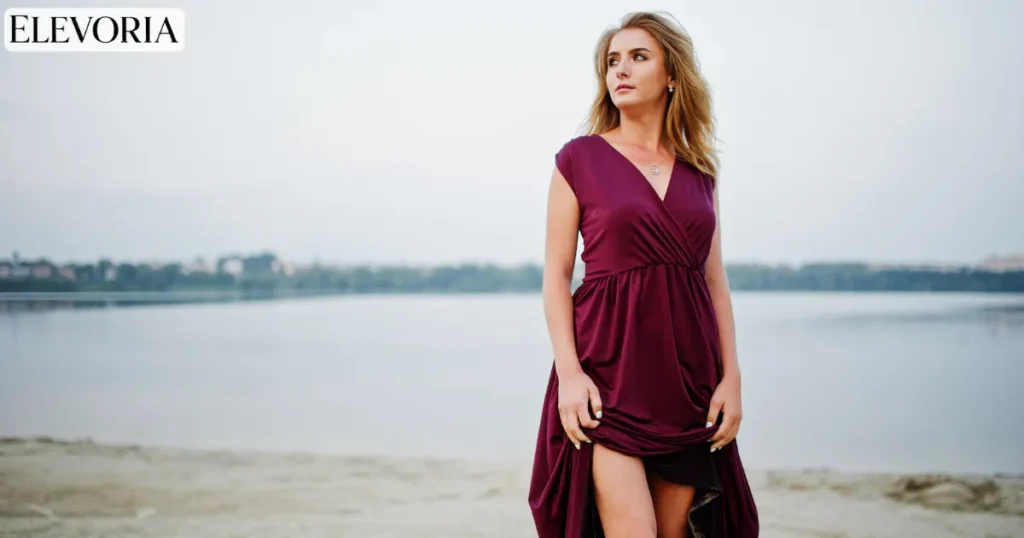
- Choose length based on occasion. Mini and midi lengths suit casual to semi-formal settings, while maxi lengths suit more formal or dressier events.
- Consider a faux wrap style if you want the aesthetic with more structural security. This can be a practical choice for those concerned about a true wrap closure shifting during a busy day or event.
- Match fabric to occasion and season, choosing jersey or cotton blends for casual, everyday wear and silk or crepe for dressier settings.
How to style a wrap dress
Casual everyday
Pair with sandals or sneakers and minimal accessories, letting the dress’s inherent shape do most of the styling work.
Work and professional settings
Choose a more modest wrap depth and a structured fabric like crepe, paired with a blazer and closed-toe shoes for a polished, professional look.
Smart-casual and evening
A silk or silk-like wrap dress, paired with heels and statement jewelry, elevates the style for dinners or evening events.
Layered for cooler weather
Add tights, a cardigan or structured jacket, and boots to extend the wrap dress silhouette into cooler months.
Common mistakes people make with wrap dresses
- Not testing the closure’s security before wearing it for a full day or event. Trying the dress on and moving through typical activities, sitting, reaching, bending, helps confirm whether the wrap stays properly secured.
- Choosing too deep a wrap neckline for a professional or conservative setting. Wrap depth varies significantly between specific dresses, and checking this detail before buying for work-appropriate use is worth the extra step.
- Assuming all wrap dresses fit identically regardless of brand. Wrap depth, tie length, and overall cut vary meaningfully between brands and specific designs, making trying on multiple options more reliable than assuming a single size or style will fit the same way everywhere.
- Overlooking fabric weight for the season. A heavy sweater knit wrap dress in summer, or a very lightweight jersey wrap dress without a layering option in cold weather, can create a mismatch between the dress and the actual conditions.
- Tying the waist tie too loosely, undermining the waist-defining silhouette the style is specifically known for. Adjusting the tie for a secure, well-fitted result generally produces a more flattering overall shape than leaving it very loose.
- Assuming a faux wrap dress offers the same adjustability as a true wrap dress. Faux wrap styles use a fixed closure, meaning they do not offer the same fit flexibility as a true wrap and tie construction, which is worth knowing if adjustability specifically was your reason for choosing the style.
Actionable recommendations
- Try the dress on and test the closure’s security through typical movements before committing to it for a specific event or workday.
- Choose wrap depth based on your specific occasion, more modest for professional settings, deeper for dressier or evening wear.
- Match fabric to season and formality, jersey or cotton for casual and warm-weather wear, silk or crepe for dressier occasions.
- Consider a faux wrap style if fit security matters more to you than true wrap adjustability.
- Adjust the waist tie for a secure, well-defined fit rather than leaving it loose, to get the most flattering version of the silhouette.
- Try on multiple brands or specific designs if possible, since wrap depth and overall cut vary meaningfully between different wrap dresses.
Frequently asked questions
Who invented the wrap dress? While wrap-style garments have existed in various forms across many cultures historically, the modern wrap dress as a specific fashion category is most closely associated with designer Diane von Furstenberg, who introduced her iconic jersey wrap dress in 1974.
What is the difference between a wrap dress and a faux wrap dress? A true wrap dress uses an actual adjustable wrap and tie closure, while a faux wrap dress is designed to look the same but uses a fixed closure, like a hidden zipper or snap, rather than a genuinely adjustable wrap.
Are wrap dresses flattering for every body type? The style’s V-neckline, waist-defining tie, and typically flowing skirt are commonly cited as broadly flattering features, though individual body shape and personal styling preference still play a meaningful role, so this should be understood as a general tendency rather than a universal guarantee.
How do I keep a wrap dress from coming undone? Tying the waist tie securely and testing the closure through typical movements, sitting, reaching, and bending, before wearing the dress for a full day or event helps confirm it will stay properly secured.
Can wrap dresses be worn to work? Yes, particularly styles with a more modest wrap depth and structured fabric like crepe, generally paired with a blazer for a polished, professional look.
What fabric is best for a wrap dress? This depends on occasion. Jersey knit remains the classic, versatile choice for casual to smart-casual wear, while silk or crepe suits dressier occasions, and sweater knit suits colder weather.
Can wrap dresses be worn in winter? Yes, particularly sweater knit versions, or classic wrap dresses layered with tights, a cardigan or jacket, and boots to adapt the silhouette for cooler weather.
Is a wrap dress appropriate for a formal event? A wrap maxi dress in a dressier fabric like silk can work well for formal or semi-formal events, depending on the specific event’s dress code and the dress’s overall level of polish.
The bottom line
The wrap dress has remained a wardrobe staple for five decades because its adjustable, self-tying construction offers a genuinely practical combination of comfort, fit flexibility, and a widely flattering silhouette. Choosing the right wrap depth, fabric, and length for your specific occasion, and taking the time to test the closure’s security before wearing it for a full day or event, are what most reliably make the difference between a wrap dress that works effortlessly and one that requires constant adjustment.
Read More: Hush Cut: The Soft Layered Haircut Trend Explained


[…] Read More: Wrap Dress Guide: History, Styles, and How to Choose […]