
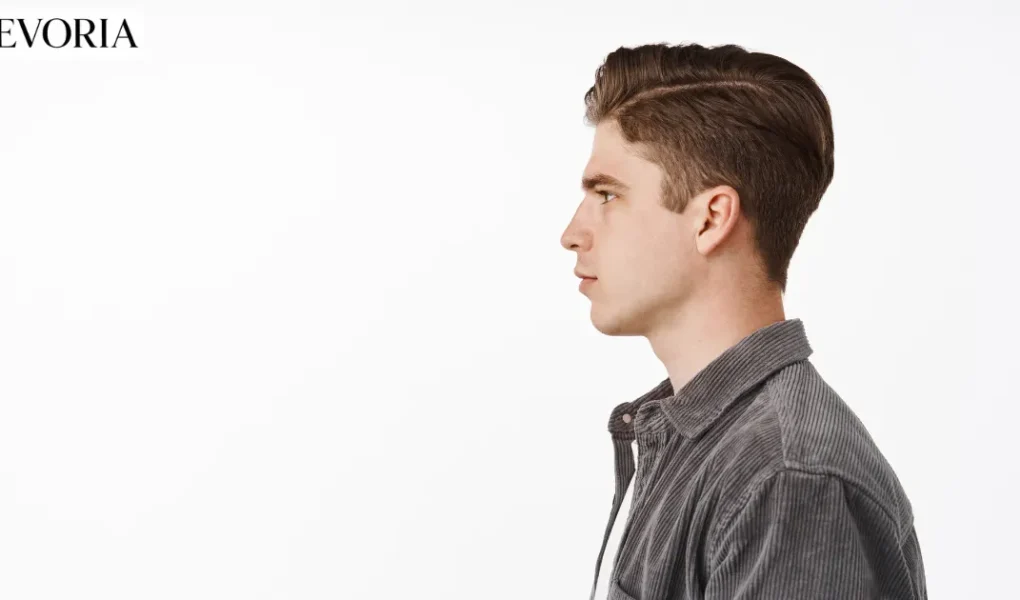
Side Part: How to Find, Style, and Maintain the Right Side Part for Your Hair
Quick answer
A side part is a hairstyle where hair is divided unevenly, with more volume falling to one side than the other, created by parting the hair away from its natural center growth pattern. It works for nearly all hair lengths and types, and finding the right side part comes down to identifying your natural hair part first, then deciding whether to work with it or deliberately shift it for a different look. A deep side part, positioned closer to one side of the head, tends to add more volume and drama, while a subtle side part offers a more natural, everyday look.
If you searched “side part,” you are most likely trying to figure out how to find your ideal part position, how to style a side part for your specific hair type or length, or how to switch from a center part to a side part successfully. This guide covers all of that with practical, specific steps.
What is a side part, and why does it matter?
A side part refers to where the hair is divided on the scalp, positioned off to one side rather than down the exact center of the head. This single detail has an outsized effect on the overall look of a hairstyle, since it changes how volume, face-framing, and length are distributed across the head.
Unlike a center part, which divides hair evenly and tends to create a more symmetrical, structured look, a side part introduces asymmetry, which many people find more flattering for softening facial features or adding the appearance of volume to one side.
How to find your natural part
Most people have a natural part, a spot where hair tends to fall on its own due to the direction hair grows from the scalp, called a hair whorl. Finding this natural part can help you decide whether to work with it or shift your part intentionally.
- Wash your hair and let it air dry without applying any product or styling.
- Run your fingers through slightly damp or dry hair from the front hairline back, without forcing it in any particular direction.
- Observe where the hair naturally splits or falls with the least resistance.
- This spot is generally your natural part, and working with it, rather than against it, often results in a style that holds better and requires less daily effort.
Types of side parts
Subtle side part
A part positioned just slightly off-center, offering a natural, low-maintenance look that closely resembles an off-center version of a center part rather than a dramatically asymmetrical style.
Deep side part
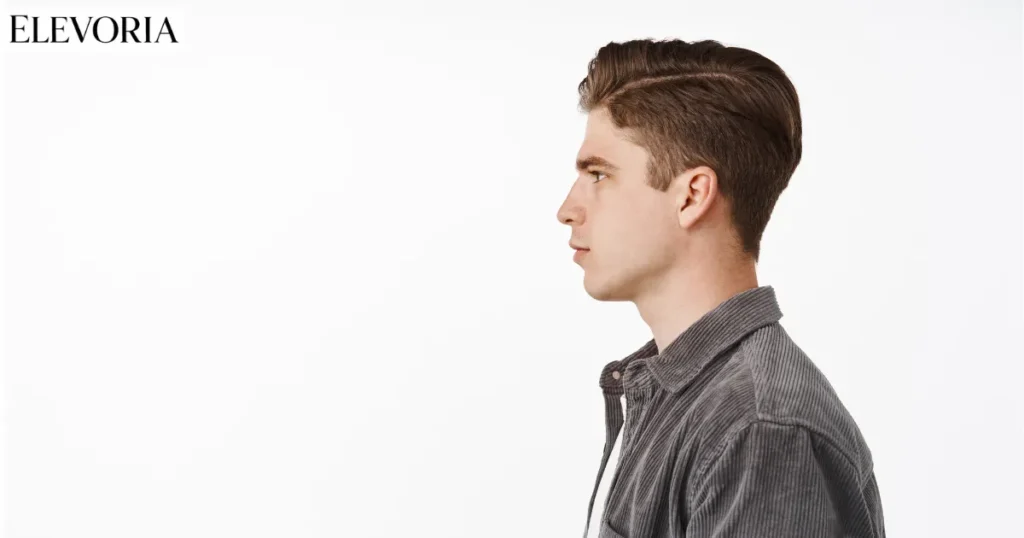
A part positioned significantly closer to one side of the head, often near the temple, creating a noticeably asymmetrical look with more volume swept to one side. This style tends to add more visual volume and drama compared to a subtle side part.
Micro side part
A very slight shift away from center, popularized as an alternative to a fully centered part while maintaining a similarly balanced, symmetrical overall look.
Choosing a side part for your face shape
While personal preference plays the largest role, a few general tendencies are commonly noted by hairstylists:
| Face shape | Suggested part style | Why it may work well |
|---|---|---|
| Round | Deep side part | Adds asymmetry and the appearance of length, breaking up a rounder overall silhouette |
| Square | Side part, subtle to deep | Softens strong jawline angles by adding asymmetrical volume |
| Oval | Most part styles | Generally considered a flexible face shape that suits a wide range of part positions |
| Heart-shaped | Deep side part | Balances a narrower chin by adding volume and width higher on the head |
| Long | Subtle side part | A deep part can sometimes add unwanted length; a subtler shift tends to balance proportions better |
These are general tendencies rather than fixed rules, and factors like hair thickness, length, and texture affect how any given part style ultimately looks in practice.
How to switch from a center part to a side part
Transitioning an established center part to a side part can take some patience, since hair often “remembers” its usual part due to how it has been trained to fall over time.
- Choose your new part position based on your natural hair growth pattern or desired look, and be consistent about parting hair in that same spot going forward.
- Use a blow dryer to help retrain the part, directing warm air against the direction of your old part while brushing hair into the new position, which helps encourage hair to fall differently as it dries.
- Apply a lightweight styling product, like a small amount of mousse or a texturizing spray, to help hold the new part position while your hair adjusts over time.
- Be patient during the transition period. It commonly takes several days to a couple of weeks of consistent styling before hair fully adapts to a new part position.
- Consider sleeping with a silk or satin pillowcase, which can help reduce how much your hair reverts to its old pattern overnight compared to rougher fabric pillowcases.
Styling a side part by hair length
Short hair
A side part on shorter hair tends to create a cleaner, more structured look, often paired with some added texture or a slight wave to prevent the style from looking too flat or severe.
Medium-length hair
Side parts on medium-length hair offer significant styling flexibility, working well with both smooth, sleek finishes and softer, wavier textures.
Long hair
A deep side part on longer hair tends to create a more dramatic, face-framing effect, since more length falls forward on one side, making it a popular choice for more polished or formal hairstyling.
Curly or textured hair
Side parts work well on curly and coily hair types, though the part itself may be somewhat less visually defined compared to straighter hair, depending on curl pattern and overall volume.
Common mistakes people make with side parts
- Fighting against a strong natural hair growth pattern. If your hair has a strong natural part or whorl, working against it consistently can require significantly more daily styling effort than working with your natural tendency.
- Using too much product when trying to retrain a new part. Excessive product can weigh hair down rather than helping it hold a new position, particularly with finer hair textures.
- Giving up on a part transition too early. Since retraining a part can take one to two weeks of consistent effort, switching back and forth inconsistently often prevents the new part from ever fully taking hold.
- Choosing an overly deep part for very fine hair. A very deep part can sometimes emphasize thinning or scalp visibility more than a subtler part position would, particularly for finer or thinning hair types.
- Ignoring face shape entirely when choosing a part position. While personal preference should lead the decision, understanding general tendencies for your face shape can help you make a more informed choice if you are experimenting with a new look.
- Not adjusting part depth for updos or special occasion styling. A deeper part that works well for everyday styling may need slight adjustment for more formal, polished looks, depending on the intended overall effect.
Actionable recommendations
- Identify your natural part before deciding whether to work with it or attempt to shift it, since this affects how much daily effort a new part will require.
- Use a blow dryer and lightweight styling product to help retrain a new part position during a transition period.
- Be patient and consistent for at least one to two weeks when switching part positions, rather than alternating between old and new parts inconsistently.
- Consider your face shape and hair thickness as general guides, adjusting part depth accordingly, deeper for more volume and asymmetry, subtler for a more natural, low-maintenance look.
- Protect your part overnight with a silk or satin pillowcase if you are actively working to train a new part position.
Frequently asked questions
How do I find my natural hair part? Wash your hair and let it air dry without any product, then run your fingers through it from the front hairline back without forcing it in any direction. The spot where it naturally falls with the least resistance is generally your natural part.
How long does it take to retrain a hair part? This varies by individual, but consistent styling with a blow dryer and lightweight product for one to two weeks is commonly needed before hair fully adapts to a new part position.
What face shape suits a deep side part best? Round and heart-shaped face shapes are commonly cited as suiting a deep side part well, since the added asymmetry and volume can help balance these face shapes, though personal preference matters most.
Can curly hair have a defined side part? Yes, though the part itself may appear less sharply defined than on straight hair, depending on curl pattern, volume, and overall hair density.
Does a side part make hair look thicker? It can create the visual appearance of more volume, particularly with a deeper part, since asymmetrical volume distribution can read as fuller than an evenly distributed center part, though actual hair thickness is unaffected by part position itself.
Why does my hair keep falling back into its old part? This is a common and normal part of the transition process, generally caused by hair’s tendency to fall according to its established growth pattern. Consistent retraining with heat styling and product over one to two weeks typically resolves this.
Is a side part or center part more flattering? This depends heavily on individual face shape, hair texture, and personal preference, and neither is universally more flattering, though side parts are often chosen specifically to add asymmetry and volume that a center part does not provide.
Can I switch my part position permanently? Yes, with consistent styling effort over a transition period, most people can successfully retrain their hair to fall into a new part position as a long-term change.
The bottom line
A side part is a simple but meaningful styling choice that affects volume, face-framing, and the overall structure of a hairstyle far more than its small physical adjustment might suggest. Understanding your natural hair part, choosing a part depth suited to your face shape and hair type, and being patient and consistent during any transition are what separate a side part that looks effortless from one that requires a daily styling battle.
Read More: Brush Drying: How to Blow-Dry Hair With a Brush for Smoother, More Controlled Results



[…] Read More: Side Part Guide: How to Find and Style the Right One […]
[…] Read More: Side Part Guide: How to Find and Style the Right One […]