
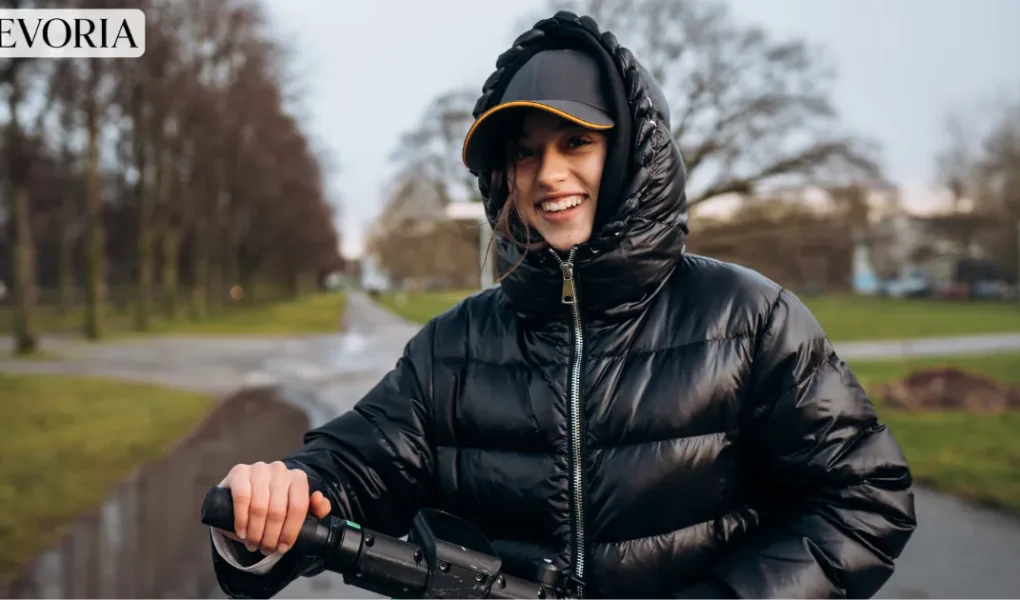
Quilted Jacket Guide: Styles, Warmth, and How to Choose the Right One
Quick answer
A quilted jacket is an outerwear piece constructed with a stitched, diamond or box pattern that holds insulating material, typically down or synthetic fiberfill, evenly in place between two layers of fabric. This quilting technique prevents the insulation from shifting or bunching, which is what allows quilted jackets to provide consistent warmth while remaining relatively lightweight compared to bulkier, unstitched insulated coats. Choosing the right quilted jacket comes down to insulation type, quilt pattern size, and length, since these factors affect warmth, weight, and styling more than most general buying guides explain clearly.
If you searched “quilted jacket,” you are most likely trying to understand what actually makes a jacket “quilted,” compare insulation types, or figure out which style and warmth level suits your climate and needs. This guide covers all of that with practical, specific detail.
What makes a jacket “quilted” specifically?
Quilting refers to a construction technique where two layers of fabric are stitched together in a defined pattern, most commonly a diamond or box grid, with insulating material sandwiched between them. This stitching creates individual small pockets that hold the insulation evenly in place, preventing it from shifting, clumping, or settling unevenly over time, which is a common problem with unstitched insulated garments.
This is a construction method rather than a specific material, which is why quilted jackets can vary significantly in warmth, weight, and appearance depending on the specific insulation type and quilt pattern used.
Types of insulation used in quilted jackets
Down insulation
Made from the soft under-layer of feathers from ducks or geese, down offers an excellent warmth-to-weight ratio, meaning it provides significant warmth without adding much bulk or weight. However, down loses much of its insulating ability when wet and generally requires more careful care than synthetic alternatives.
Synthetic insulation
Man-made fiberfill designed to mimic down’s insulating structure, synthetic insulation generally retains more of its warmth when wet compared to down, and is often more affordable and easier to care for, though it typically does not match down’s warmth-to-weight ratio at equivalent warmth levels.
Down and synthetic blends
Some quilted jackets combine both materials, aiming to balance down’s warmth-to-weight advantage with synthetic insulation’s better wet-weather performance and lower cost.
Comparing down and synthetic quilted jackets
| Factor | Down insulation | Synthetic insulation |
|---|---|---|
| Warmth-to-weight ratio | Generally superior | Generally requires more material for equivalent warmth |
| Performance when wet | Loses significant insulating ability | Retains more warmth when wet |
| Cost | Generally more expensive | Generally more affordable |
| Care requirements | Requires more careful washing and drying | Generally easier to care for |
| Compressibility | Compresses well for packing and storage | Less compressible than down |
| Best suited for | Cold, dry climates; frequent travel where packability matters | Wet or humid climates; lower budget; easier maintenance |
Understanding fill power (for down-insulated jackets)
Fill power is a measurement specific to down insulation, indicating how much loft, or fluffiness, a given weight of down produces. Higher fill power numbers generally indicate higher quality down that traps more warm air relative to its weight, meaning a jacket with higher fill power can achieve the same warmth with less overall down weight compared to a lower fill power jacket.
Fill power alone does not determine a jacket’s total warmth, since the total quantity of down used also matters significantly. A jacket with high fill power but a small total amount of down may be less warm overall than a jacket with a larger quantity of lower fill power down.
Quilt pattern size and what it affects
- Smaller, denser quilting (tighter diamond or box patterns) generally creates a more structured, tailored appearance, often associated with dressier or more streamlined quilted jacket styles
- Larger quilting patterns generally allow for more loft and can provide a warmer feel per given insulation amount, though they can also create a bulkier overall appearance
- Horizontal channel quilting (long horizontal rows rather than a diamond grid) is common in more classic, traditional puffer-style jackets
- Diamond quilting is closely associated with a more fashion-forward, tailored aesthetic, often seen in quilted jacket styles positioned as smart-casual outerwear rather than purely technical, cold-weather gear
Quilted jacket styles
Classic puffer jacket
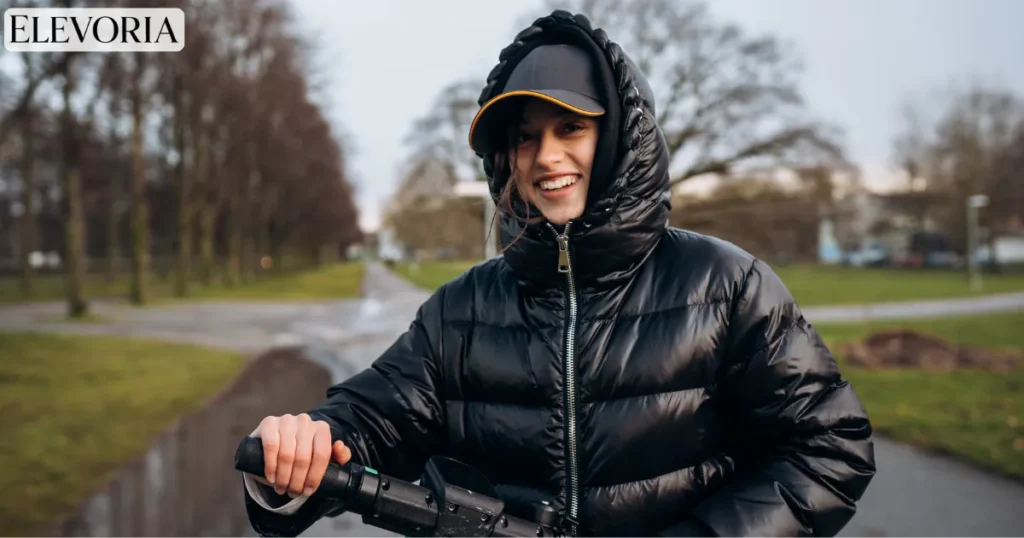
A rounded, voluminous silhouette with larger horizontal or diamond quilting, generally prioritizing maximum warmth, often the most casual and technical-looking quilted jacket style.
Quilted field jacket
A more structured, tailored silhouette with smaller, denser quilting, generally designed to look more polished and versatile across both casual and smart-casual settings.
Quilted vest
A sleeveless version of the quilted jacket, offering core warmth while allowing more freedom of movement in the arms, often layered over another jacket or sweater.
Quilted trench or longline coat
Combining the classic trench coat silhouette with quilted insulation, offering a more fashion-forward, longer-length take on the quilted jacket category.
Quilted bomber jacket
A shorter, ribbed-hem silhouette combined with quilted construction, generally leaning more casual and streetwear-influenced than a tailored quilted field jacket.
How to choose the right quilted jacket for your needs
- Consider your climate specifically. Down insulation suits cold, dry climates particularly well, while synthetic insulation performs better in wet or humid conditions.
- Decide how much warmth you actually need. A lightweight quilted jacket with less insulation suits milder climates or use as a mid-layer, while a heavier, more heavily insulated version suits genuinely cold conditions as a standalone outer layer.
- Choose a silhouette based on intended use. A more structured, tailored quilted jacket suits smart-casual or work settings, while a classic puffer style suits purely casual, cold-weather use.
- Check fill power if choosing a down jacket, understanding that both fill power and total down quantity affect overall warmth.
- Consider packability if travel is a priority. Down jackets generally compress more effectively for packing than synthetic-insulated alternatives.
- Factor in care requirements. If you want a lower-maintenance option, synthetic insulation is generally easier to wash and care for than down.
How to style a quilted jacket
Casual everyday
Pair with jeans, a simple top, and sneakers or boots, letting the quilted jacket serve as the primary outerwear layer for an easy, cold-weather casual look.
Smart-casual and work
A more structured, tailored quilted jacket or vest layered over a sweater or collared shirt, paired with trousers, offers a polished cold-weather option for less formal office settings.
Layered looks
A quilted vest layered over a sweater, or under a heavier coat, adds core warmth without significant bulk, making it a practical layering piece in transitional or very cold weather.
Elevated or fashion-forward styling
A quilted trench or longline coat, paired with tailored pieces and structured accessories, offers a more directional, fashion-forward take on the quilted jacket category.
Common mistakes people make when choosing a quilted jacket
- Choosing down insulation without considering climate. Down performs poorly when wet, and choosing it for a consistently wet or humid climate without an additional weatherproof shell can lead to disappointing performance.
- Assuming higher fill power always means a warmer jacket. Total down quantity matters just as much as fill power, and a jacket with high fill power but very little total down fill can still be less warm than expected.
- Overlooking quilt pattern size and its effect on silhouette. Choosing a jacket based on warmth alone without considering how the specific quilting pattern affects overall shape and styling can lead to an unexpected fit or appearance.
- Not checking care instructions before buying. Down jackets generally require more careful washing and drying than synthetic-insulated alternatives, and assuming all quilted jackets can be cared for identically can lead to premature wear or damage.
- Choosing a purely technical, bulky puffer style for occasions requiring a more polished look. A more structured, tailored quilted jacket generally suits smart-casual or work settings better than a classic voluminous puffer silhouette.
- Ignoring packability needs for frequent travel. Down jackets generally compress more effectively than synthetic alternatives, which is worth considering if packing efficiency is a priority.
Actionable recommendations
- Match insulation type to your climate, down for cold and dry conditions, synthetic for wet or humid environments.
- Consider both fill power and total down quantity if choosing a down-insulated jacket, rather than fill power alone.
- Choose quilt pattern and silhouette based on your intended use, more structured and tailored for smart-casual settings, classic puffer styling for purely casual, cold-weather use.
- Check specific care instructions before purchasing, particularly if you want a lower-maintenance option.
- Prioritize down insulation if packability and travel efficiency are important to you, given its superior compressibility compared to synthetic fill.
- Consider a quilted vest as a versatile layering piece if you want core warmth without the bulk of a full jacket.
Frequently asked questions
What makes a jacket “quilted”? Quilting refers to a stitched diamond or box pattern that holds insulating material evenly in place between two layers of fabric, preventing the insulation from shifting or clumping over time.
Is down or synthetic insulation better for a quilted jacket? This depends on your climate and priorities. Down offers a superior warmth-to-weight ratio and better packability, while synthetic insulation performs better when wet and is generally easier to care for and more affordable.
What is fill power in a down jacket? Fill power measures how much loft a given weight of down produces, with higher numbers generally indicating higher quality down, though total down quantity also significantly affects a jacket’s overall warmth.
Can quilted jackets be worn in the rain? Down-insulated quilted jackets lose significant insulating ability when wet, so a synthetic-insulated option or a jacket with an additional weatherproof shell generally performs better in wet conditions.
What is the difference between a puffer jacket and a quilted field jacket? A classic puffer jacket typically has a rounder, more voluminous silhouette with larger quilting, while a quilted field jacket generally has a more structured, tailored fit with smaller, denser quilting, suited to smart-casual settings.
How do I wash a quilted jacket? This depends on the insulation type, since down jackets generally require more careful washing and drying than synthetic-insulated alternatives, so checking the specific care label is important before washing.
Are quilted jackets good for layering? Yes, particularly quilted vests, which provide core warmth without the bulk of a full jacket, making them a practical layering piece under a heavier coat or over a sweater.
Do quilted jackets work for professional or work settings? A more structured, tailored quilted jacket or vest with smaller, denser quilting generally suits smart-casual or work settings better than a classic voluminous puffer silhouette.
The bottom line
A quilted jacket’s defining feature, the stitched pattern that holds insulation evenly in place, allows for a wide range of warmth levels, silhouettes, and styling options, from technical cold-weather puffers to polished, tailored field jackets. Matching insulation type to your climate, understanding how fill power and total down quantity together affect warmth, and choosing a quilt pattern and silhouette suited to your intended use are what most reliably lead to a quilted jacket that performs well and looks right for your specific needs.
Read More: Jelly Shoes: Styles, History, and How to Wear Them

[…] Read More: Quilted Jacket Guide: Styles, Warmth, and How to Choose […]