
Boho Dress Guide: Styles, History, and How to Wear One
Quick answer
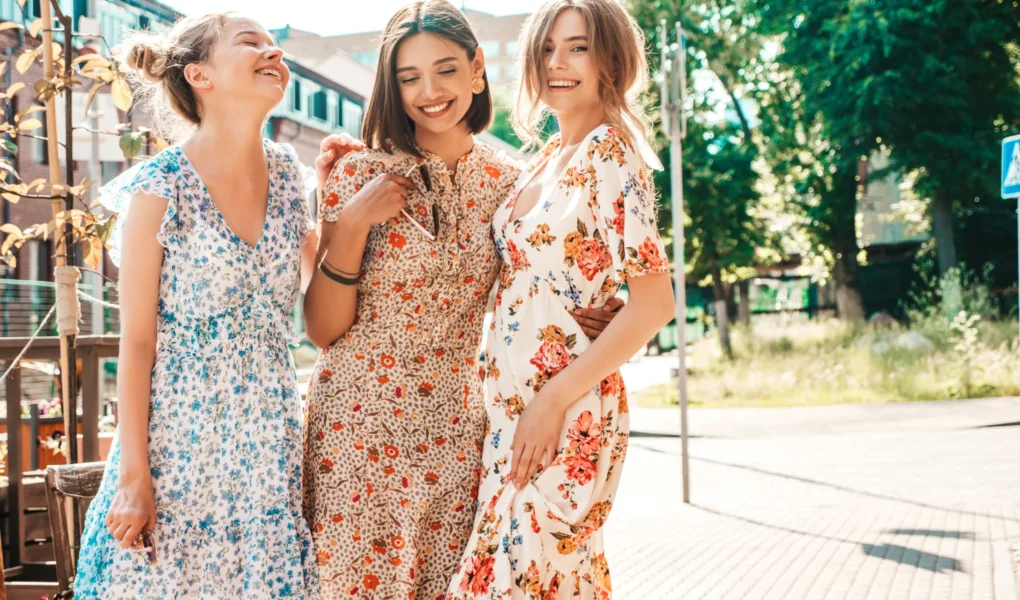
A boho dress, short for “bohemian,” is a flowing, relaxed dress style characterized by natural fabrics, loose or tiered silhouettes, and details like crochet, embroidery, fringe, and earthy or floral prints. The style draws on a mix of historical influences, including 1960s and 1970s counterculture fashion, folk and peasant dress traditions, and various global textile techniques, and it remains a recurring, wearable category rather than a single fixed trend. Choosing the right boho dress comes down to fabric, silhouette, and detail level, since the category covers everything from simple, minimal boho styling to heavily embellished, maximalist versions.
If you searched “boho dress,” you are most likely trying to find the right style for your body type and personal aesthetic, understand what defines the boho category specifically, or figure out how to style one for a particular occasion. This guide covers all of that.
What defines a boho dress?
“Boho” is short for “bohemian,” a term originally associated with an unconventional, artistic, free-spirited lifestyle and aesthetic. In fashion specifically, the boho style translates into a recognizable set of visual characteristics rather than one single silhouette:
- Flowing, relaxed silhouettes, generally avoiding tight, structured tailoring
- Natural fabrics, like cotton, linen, and gauze, often with a slightly textured or lived-in feel
- Earthy, muted, or warm color palettes, alongside floral and paisley prints
- Layered details, such as tiered skirts, ruffles, and flowing sleeves
- Handcraft-inspired detailing, including crochet, embroidery, fringe, and lace trim
- A generally relaxed, undone styling approach, extending beyond the dress itself into how it is typically paired with accessories and hair styling
The history and influences behind boho style
Boho fashion draws on a genuinely wide range of historical and cultural influences rather than a single clear origin point. The term itself traces back to 19th-century France, where “bohemian” described the unconventional lifestyle of artists and intellectuals living outside mainstream social norms.
The style’s modern fashion association developed significantly through 1960s and 1970s counterculture and folk-revival fashion movements, drawing visual inspiration from a range of traditional textile techniques, including crochet, embroidery, and natural dyeing methods used across many different cultures and regions. This eclectic, borrowed-from-everywhere quality remains part of the style’s defining character today, for better or worse, and it is worth being thoughtful about the difference between broad stylistic inspiration and directly copying specific cultural or religious garments and symbols without context or understanding.
Types of boho dresses
Maxi boho dress
A floor-length or near-floor-length flowing dress, often featuring tiered fabric panels, considered one of the most iconic and recognizable boho silhouettes.
Midi boho dress
A below-the-knee to mid-calf length version, offering similar flowing, relaxed styling with slightly more practical, everyday wearability than a full maxi length.
Peasant dress
Characterized by a loose, gathered silhouette, often with puffed or bishop sleeves and a scooped or square neckline, drawing directly on historical peasant and folk dress traditions.
Crochet dress
Made partially or fully from crochet fabric, offering an open, textured look often layered over a slip or liner for coverage.
Embroidered boho dress
Featuring detailed embroidery work, often along the neckline, sleeves, or hem, adding a handcrafted visual element central to much of boho styling.
Fringe or tassel-detail dress
Incorporating fringe or tassel trim, generally along the hem or sleeves, adding movement and a more overtly bohemian visual signature.
Choosing the right boho dress fabric
| Fabric | Feel and drape | Best suited for |
|---|---|---|
| Cotton gauze | Lightweight, slightly textured, breathable | Warm-weather boho styling, casual everyday wear |
| Linen | Breathable, naturally textured, relaxed drape | Casual, warm-climate boho looks |
| Rayon or viscose | Soft, flowing drape | Versatile, works across seasons |
| Crochet | Open-weave, textured | Statement pieces, often layered over a slip |
| Velvet | Heavier, richer drape and texture | Cooler-weather boho styling, evening looks |
How to style a boho dress by occasion
Casual everyday
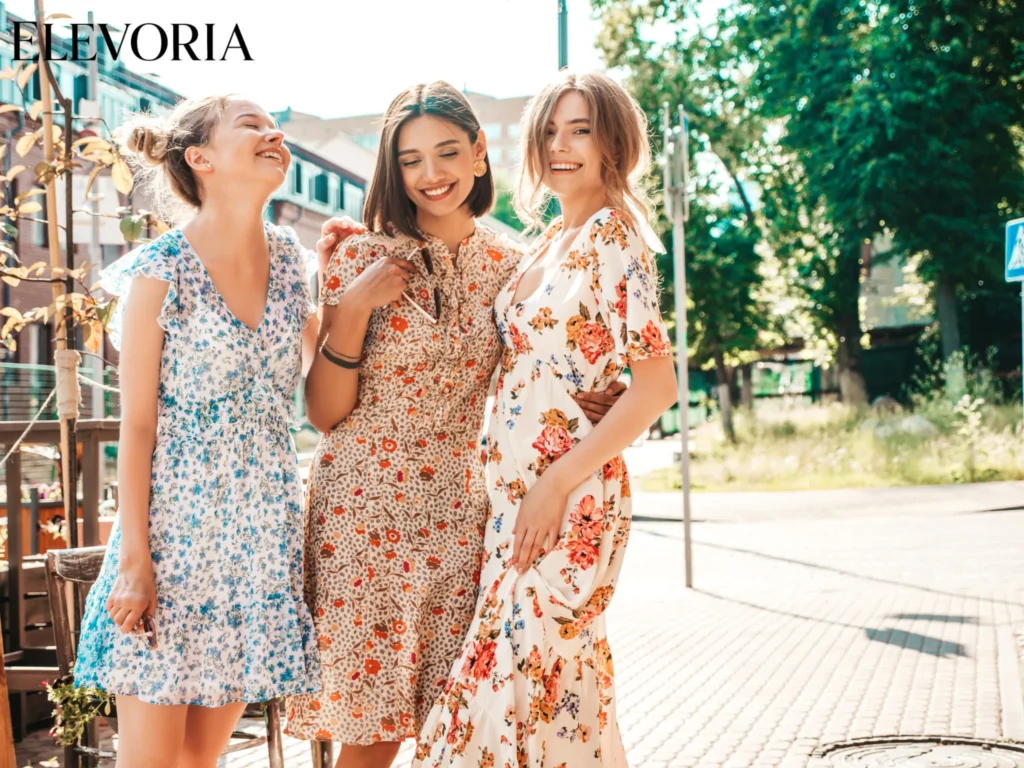
Pair with flat sandals, a woven or straw bag, and minimal layered jewelry for an easy, low-effort daytime look.
Festival and outdoor events
Add ankle boots, a wide-brim hat, and layered accessories, leaning further into the style’s relaxed, eclectic character.
Smart-casual or dinner
Choose a more refined boho dress with less overt embellishment, paired with heeled sandals and simpler accessories, to elevate the look slightly.
Layered for cooler weather
Add a denim or suede jacket, tights, and boots to extend a warm-weather boho dress into cooler months.
Choosing a boho dress for your body type
Rather than following rigid rules, it helps to think about which structural features of a boho dress you want to use for balance or emphasis.
- For a defined waist: look for a boho dress with an empire waist, smocked bodice, or an added belt, since many flowing boho silhouettes do not include built-in waist definition
- For a streamlined look: choose a boho dress with less fabric volume and simpler detailing, avoiding heavily tiered or voluminous styles
- For more coverage through the midsection: an A-line or flowing silhouette without a fitted waist can skim rather than cling
- For petite frames: a midi rather than full maxi length, or a dress with a defined waistline, can help avoid the silhouette overwhelming smaller proportions
Common mistakes people make with boho dresses
- Choosing a heavily embellished style for a setting that calls for more polish. Boho dresses vary significantly in formality, and a heavily fringed or crocheted style may not suit every occasion, even within casual dress codes.
- Not considering waist definition if a fitted silhouette is your goal. Many boho dresses are intentionally loose and flowing, and a belt or an empire waist detail can add shape if that is what you are looking for.
- Overloading accessories on an already detailed dress. Since many boho dresses include significant embellishment on their own, pairing them with excessive additional jewelry or accessories can create a cluttered overall look.
- Choosing fabric without considering your climate. A heavier velvet boho dress in hot weather, or a very lightweight gauze dress without layering options in cold weather, can create a mismatch between the dress and actual conditions.
- Copying culturally or religiously specific garments without context. Since boho style draws on many global textile traditions, it is worth being thoughtful about the difference between general stylistic inspiration and directly replicating specific cultural or religious dress in a way that lacks context or respect for its origin.
- Assuming all boho dresses require the same styling approach. A simple, minimal boho dress and a heavily detailed, maximalist version call for different accessory and footwear choices to look intentional rather than mismatched.
Actionable recommendations
- Choose fabric weight based on season and climate, lighter cotton or gauze for warm weather, heavier velvet or layered pieces for cooler months.
- Add a belt or look for built-in waist definition if you want more shape than a fully loose, flowing silhouette provides.
- Match embellishment level to your occasion, simpler styling for smart-casual settings, more detailed pieces for casual or festival-style events.
- Keep accessories relatively simple if your dress already features significant embellishment, to avoid an overly busy overall look.
- Be thoughtful about the difference between broad stylistic inspiration and directly copying specific cultural or religious garments without context.
- Build a small rotation of boho styles across a couple of formality levels, from simple and minimal to more detailed and statement-making, to cover a wider range of occasions.
Frequently asked questions
What makes a dress “boho”? A boho dress is generally characterized by a flowing, relaxed silhouette, natural fabrics, earthy or floral prints, and handcraft-inspired details like crochet, embroidery, or fringe.
Where does the boho style come from? The term traces back to 19th-century France, describing an unconventional artistic lifestyle, with the modern fashion style developing significantly through 1960s and 1970s counterculture and folk-revival movements, drawing on a range of global textile traditions.
Can boho dresses be worn to work? A simpler, less embellished boho dress with a more defined silhouette can work in some casual or creative workplace settings, though heavily detailed or very loose styles are generally better suited to casual occasions.
How do I add shape to a loose boho dress? A belt at the natural waist, or choosing a style with a built-in empire waist or smocked bodice, are the most common ways to add definition to an otherwise flowing silhouette.
What shoes go best with a boho dress? Flat sandals suit casual daytime looks, while ankle boots work well for festival or outdoor settings, and heeled sandals can elevate the style for slightly dressier occasions.
Is boho style still popular? It remains a recurring, well-established category in fashion rather than a single passing trend, with specific details and silhouettes shifting over time while the core relaxed, natural-fabric aesthetic persists.
What is the difference between a peasant dress and a boho dress? A peasant dress refers to a specific silhouette with gathered fabric and puffed or bishop sleeves, drawing directly on folk dress traditions, while “boho dress” is a broader category that can include peasant-style dresses alongside many other silhouettes and detail types.
Are boho dresses only for warm weather? No, though lighter fabrics like cotton and gauze are especially associated with warm-weather boho styling. Heavier fabrics like velvet, or layering with jackets and boots, can extend boho dressing into cooler months.
The bottom line
A boho dress is best understood as a flexible category built around flowing silhouettes, natural fabrics, and handcraft-inspired detailing, rather than one single fixed style, which is part of why it has remained a recurring, wearable fashion category for decades. Choosing fabric and embellishment level suited to your occasion, adding structure through a belt or waist definition if that is your goal, and being thoughtful about the style’s genuinely global influences are what separate boho dressing that feels intentional and personal from a look that feels like a costume.
Read More: Wrap Dress Guide: History, Styles, and How to Choose
[…] Read More: Boho Dress Guide: Styles, History, and How to Wear It […]