

The bucket bag has one of the most recognizable silhouettes in handbag design, but it also raises a fair number of practical questions that style guides tend to skip over. Is it actually functional for daily use, or does everything just disappear into a bottomless pit the moment you close it? And how do you style a bag shape that looks so different from the structured totes and crossbodies most people are used to carrying?
This guide covers what defines a bucket bag, how it compares to similar bag shapes, practical strategies for staying organized inside one, and how to style it across different outfits and occasions.
What Is a Bucket Bag
A bucket bag is a handbag shape characterized by a round or slightly tapered base, a wide body, and a cinched or drawstring closure at the top, creating a silhouette similar to an actual bucket. The open, roomy interior and typically soft, slouchy structure distinguish it from more rigid, structured bag shapes like a satchel or a boxy tote.
Most bucket bags feature either a drawstring closure, a flap-over top, or a zip closure, though the drawstring version remains the most iconic and widely recognized version of the shape.
Bucket Bag vs Other Bag Shapes
| Bag Shape | Structure | Closure | Key Difference |
|---|---|---|---|
| Bucket bag | Soft, rounded, roomy | Drawstring, flap, or zip | Wide opening, tapered or round base |
| Hobo bag | Soft, slouchy, crescent shaped | Zip or open top | Longer, curved silhouette rather than a rounded base |
| Tote bag | Structured or semi-structured | Open top or zip | Rectangular, boxier shape with flat base |
| Crossbody bag | Varies, often smaller and structured | Zip or flap | Smaller size, worn across the body with longer strap |
The bucket bag’s defining features, a rounded base and a cinched top opening, are what separate it most clearly from the hobo bag’s crescent shape and the tote’s boxier structure.
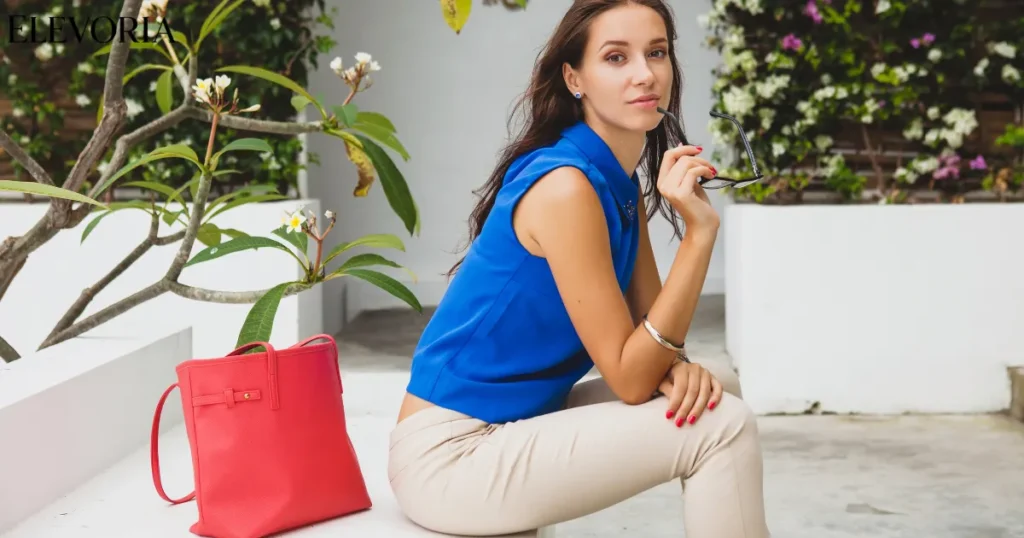
Is a Bucket Bag Practical for Everyday Use
This depends significantly on the specific design and how you approach organizing the interior, since the open, wide-mouth silhouette does create some genuine organizational challenges compared to more structured bag shapes.
- Drawstring closures can make quick access slightly less convenient than a zip closure, since the entire top must be loosened rather than simply unzipped
- Wide, open interiors mean smaller items can shift around or sink to the bottom without some kind of internal organization
- Many modern bucket bag designs address this with added interior pockets, structured bases, or a smaller inner pouch specifically for essentials like keys, cards, or a phone
Choosing a bucket bag with at least one interior pocket or a structured base significantly improves everyday practicality compared to a fully unstructured, single-compartment design.
How to Organize a Bucket Bag
- Use a smaller pouch or organizer insert for essentials. Keeping keys, cards, and a phone in a dedicated smaller pouch prevents them from sinking to the bottom of the bag.
- Choose a bag with a structured or semi-structured base if organization is a priority. A flat, stable base helps items stay upright rather than shifting freely.
- Look for bags with at least one interior zip or slip pocket. Even a single interior pocket significantly improves the ability to separate small essentials from larger items.
- Pack heavier items toward the bottom. This helps maintain the bag’s shape and prevents lighter items from being crushed underneath.
- Consider bag size relative to your actual daily carry needs. A smaller bucket bag naturally limits how much can get lost inside, while a larger one requires more intentional organization.
Materials and Construction
- Leather bucket bags tend to hold their shape better over time and develop a natural patina, though they generally come at a higher price point
- Suede bucket bags offer a softer, more textured look but require specific suede care and are more prone to water and stain sensitivity
- Canvas or fabric bucket bags are generally more casual, lightweight, and often more affordable, though they may not hold structure as well as leather over time
- Vegan or synthetic leather bucket bags offer a leather-like appearance with different durability and care characteristics compared to genuine leather
Material choice affects both the bag’s practical durability and how formal or casual it reads as part of an outfit.
How to Style a Bucket Bag
Casual Everyday Looks
Pair a canvas or soft leather bucket bag with jeans and a simple top for an easy, relaxed everyday outfit. The bag’s rounded, slouchy silhouette naturally suits casual styling.
Smart Casual and Work
A structured leather bucket bag in a neutral color, paired with tailored trousers or a midi dress, can work well for smart casual or business casual settings, particularly when the bag has a more polished, structured design rather than an overly slouchy silhouette.
Evening and Dressy Occasions
A smaller, more refined bucket bag in a rich material like suede or a polished leather can work for evening events when paired with a dress or elevated outfit, particularly in a compact size that reads as more of a statement accessory than a practical daily carry bag.
Seasonal Considerations
Bucket bags in lighter materials and colors tend to suit spring and summer styling, while richer materials like suede or deeper leather tones work well for fall and winter outfits.
Common Mistakes People Make
Choosing a bag with no interior organization for a busy daily routine. This often leads to frustration digging for small items, particularly with drawstring closures that require loosening the entire top to search inside.
Overloading a soft, unstructured bucket bag. This can cause the bag to lose its shape over time, particularly with softer materials that rely on the contents to help maintain the silhouette.
Assuming all bucket bags are too casual for polished outfits. Structured, well-made bucket bags in refined materials can absolutely work for smart casual and even some professional settings, depending on design and color.
Choosing size without considering actual daily carry needs. A bag that is either too small for daily essentials or so large that items get lost inside can both undermine the bag’s practicality.
Neglecting material-specific care. Suede and leather bucket bags require different care routines, and treating them identically can lead to premature wear or damage.
Expert Insight: Interior Structure Matters More Than Overall Bag Size for Organization
A detail often overlooked in bag buying guides is that a bucket bag’s actual organizational usability depends more on interior structure, such as pockets and base stability, than on the bag’s overall size alone. A smaller bucket bag with a well-designed interior pocket system can often feel more organized and practical day to day than a larger bag with a single open compartment, even though the larger bag technically offers more total capacity.
Actionable Recommendations
- Choose a bucket bag with at least one interior pocket if daily organization is a priority, rather than relying on size alone
- Use a smaller pouch or organizer insert to keep essentials from sinking to the bottom of an open-top bag
- Match material to your primary use case, choosing more durable leather or vegan leather for daily wear and reserving suede for lower-impact, occasion-based use
- Consider a structured or semi-structured base if you want the bag to hold its shape consistently over time
- Choose bag size based on your actual daily carry needs rather than trend alone, since oversized bucket bags require more intentional organization to stay practical
Conclusion
A bucket bag offers a distinctive, relaxed silhouette that can work across casual, smart casual, and even some dressier occasions, but getting genuine everyday practicality out of one depends on choosing a design with adequate interior structure and organization. Understanding how the shape compares to other bag styles, along with matching material and size to your actual lifestyle, makes it much easier to get real, consistent use out of a bucket bag rather than it becoming an occasional-use accessory.
Frequently Asked Questions
What is a bucket bag? A bucket bag is a handbag shape with a round or tapered base, a wide body, and typically a cinched or drawstring closure at the top, creating a silhouette similar to an actual bucket.
Are bucket bags practical for everyday use? It depends on the specific design. Bucket bags with interior pockets and a structured base tend to offer much better everyday practicality than fully open, single-compartment designs.
How do you organize a bucket bag? Using a smaller pouch or organizer insert for essentials, choosing a bag with interior pockets, and packing heavier items toward the bottom all help improve organization inside a bucket bag.
What is the difference between a bucket bag and a hobo bag? A bucket bag has a rounded or tapered base with a cinched top opening, while a hobo bag has a longer, crescent-shaped silhouette, generally with a more slouchy, curved profile overall.
Are bucket bags in style? Bucket bags have remained a recurring, popular bag shape across multiple fashion seasons rather than being tied to a single short-lived trend cycle.
Can a bucket bag be worn for work or professional settings? Yes, particularly a structured leather bucket bag in a neutral color, which can read as polished enough for smart casual or business casual environments.
What material is best for a bucket bag? Leather generally offers the best durability and shape retention, suede offers a softer texture but requires specific care, and canvas or vegan leather options provide more casual, often more affordable alternatives.
Do bucket bags have enough capacity for daily essentials? Most bucket bags offer generous capacity due to their wide, roomy interior, though choosing a size that matches your actual daily carry needs is more important than capacity alone for practical everyday use.

[…] Read More: Bucket Bag Guide: Style, Practicality & Care Tips […]
[…] Read More: Bucket Bag Guide: Style, Practicality & Care Tips […]