
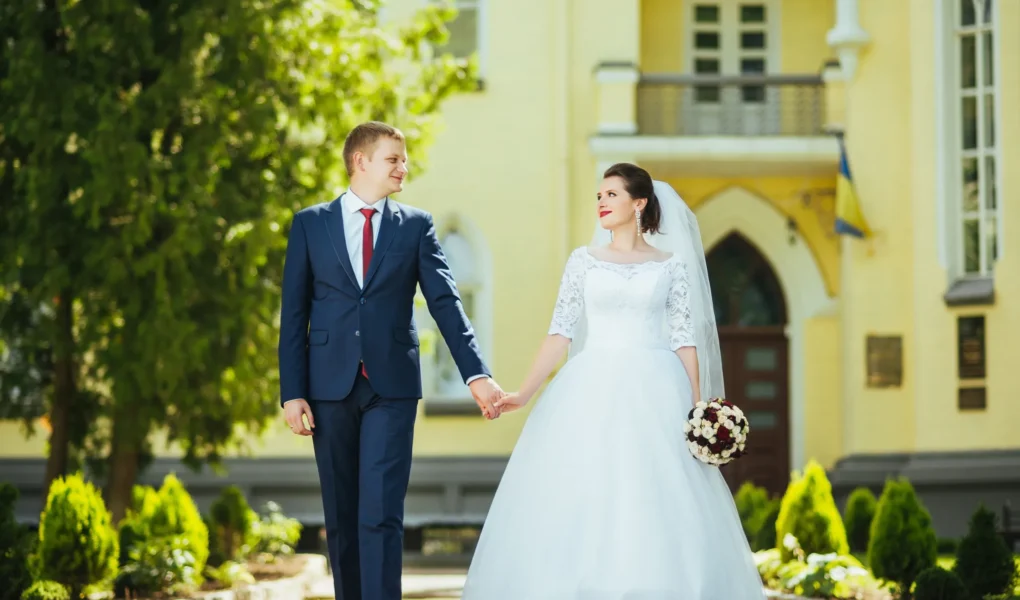
Courthouse Wedding Dress: What to Wear for a Simple, Meaningful Ceremony
Choosing what to wear for a courthouse wedding is different from planning a traditional wedding outfit. There is no long aisle, no large guest list, and often very little time to plan, but the outfit still needs to feel intentional and appropriate for a legal, official ceremony. This guide covers how to choose a courthouse wedding dress that fits the setting, the practical rules courthouses often have, and how to avoid common mistakes.
What Makes Courthouse Wedding Dressing Different
A courthouse wedding is typically short, official, and takes place in a government building rather than a venue built for celebrations. This changes what works well as an outfit in a few important ways.
Courthouses are public buildings, which means there are sometimes dress code restrictions in place, separate from any personal style choice. The ceremony itself is usually brief, so comfort over several hours is less of a concern compared to a full wedding day. Finally, courthouse weddings often happen with little advance notice, so practicality and availability matter more than they would for a traditional wedding gown ordered months in advance.
Do Courthouses Have Dress Code Rules
Many courthouses do have basic dress code expectations, even if they are not always publicized in detail. These rules exist primarily for general courthouse visitors and apply to wedding ceremonies as well since they take place in the same public building.
Common restrictions across many courthouses include no excessively revealing clothing, no swimwear, and sometimes restrictions on hats or head coverings unless worn for religious reasons. Some courthouses also discourage clothing with offensive language or imagery, consistent with general courtroom conduct expectations.
Since these rules vary by location, it is worth checking directly with the specific courthouse or county clerk’s office before finalizing an outfit, especially for anything unconventional like a full-length gown with a long train, which may not be practical in a smaller ceremony room.
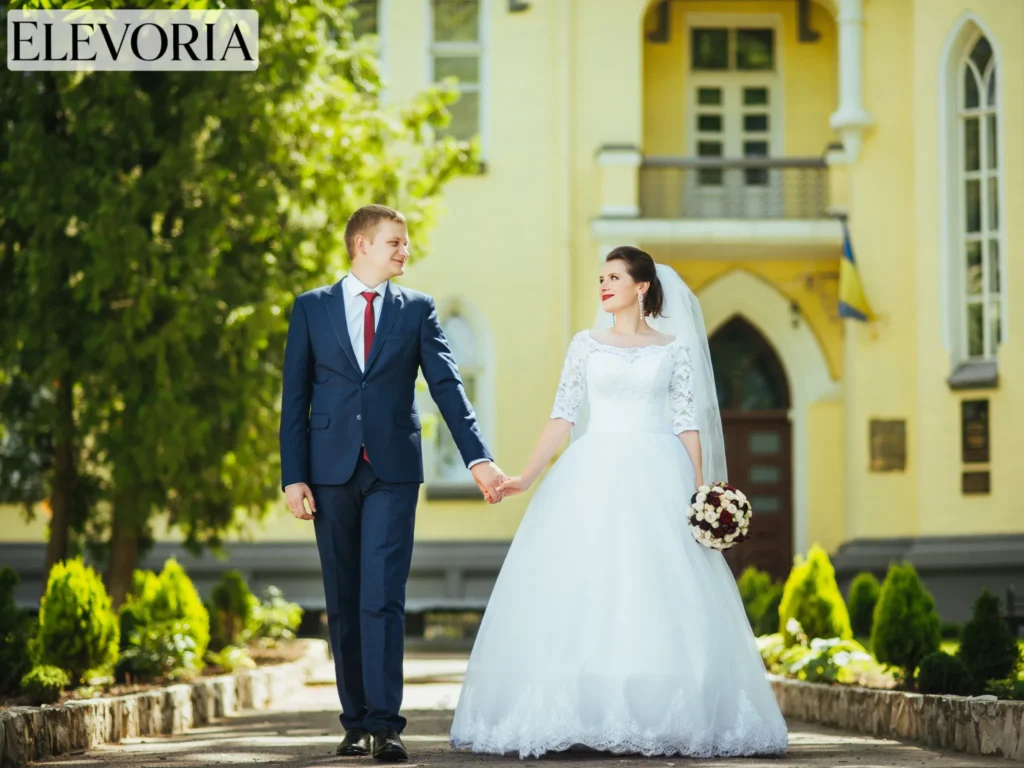
Choosing the Right Dress Style
Short and Midi Dresses
Short or midi-length dresses are among the most practical and popular choices for courthouse weddings. They photograph well, are easy to move in, and avoid the impracticality of a long train in a small government office setting.
Tea-Length Dresses
Tea-length dresses, which fall between the knee and ankle, offer a slightly more traditional bridal look while still remaining practical for a courthouse setting. This length works especially well for brides who want something that feels a bit more formal than a short dress without the full drama of a floor-length gown.
Simple Floor-Length Options
A floor-length dress is not off-limits for a courthouse wedding, but a simpler, less voluminous silhouette tends to work better in these settings. A slim or slightly fitted floor-length dress without an oversized train is usually more practical for moving through hallways and smaller rooms.
Separates and Suits
Bridal separates, such as a coordinated top and skirt, or a tailored suit, have become increasingly popular for courthouse weddings. This option works well for brides who want something distinct from a traditional gown, and it also offers more reusability after the wedding compared to a formal gown.
Color Options Beyond Traditional White
White remains the most common choice, but it is not a requirement for a courthouse wedding the way it might feel expected at a larger, more traditional ceremony.
- Ivory or champagne: A softer alternative to bright white, often considered easier to style.
- Blush or pastel tones: Popular for a slightly less formal, more modern courthouse look.
- Bold solid colors: Some brides choose colors like red, deep blue, or black, particularly for a more modern or minimalist courthouse aesthetic.
There is no legal or traditional requirement dictating color for a courthouse ceremony, which gives more flexibility than a religious or larger family wedding might allow.
Fabric and Practicality Considerations
Since courthouse ceremonies often involve standing, walking through hallways, and sometimes waiting in shared public spaces, fabric choice affects comfort and practicality more than people expect.
Lightweight fabrics like crepe, satin, or cotton blends tend to work better than heavily structured or boned fabrics, which can be uncomfortable for a day that may also include travel, waiting, or paperwork before and after the ceremony. Wrinkle-resistant fabrics are also worth considering, especially if the dress needs to be packed, traveled in, or worn for an extended day.
Common Mistakes People Make With Courthouse Wedding Dresses
Choosing a dress that is impractical for the space. A wide ball gown or long train can be genuinely difficult to manage in a small courthouse office or hallway.
Not checking the courthouse’s specific rules in advance. Assuming all courthouses have the same policies can lead to last-minute outfit problems, particularly around modesty requirements or head coverings.
Overlooking comfort for the full day. Even though the ceremony itself is short, many courthouse weddings involve travel, waiting periods, or a small celebration afterward, so comfort still matters beyond the ceremony itself.
Assuming white is required. Some brides feel pressured to wear white for a courthouse wedding when there is no such rule, missing the chance to choose something that better reflects their personal style.
Underestimating photo considerations. Courthouse lighting is often fluorescent and less flattering than natural or staged wedding lighting, which is worth considering when choosing dress color and fabric texture.
Expert Insight: Why Simpler Often Photographs Better
Courthouse wedding photos are typically taken quickly, often without professional lighting setups, and sometimes in hallways or small rooms with limited space. Because of this, dresses with clean lines and simple silhouettes tend to photograph more consistently well than heavily embellished or voluminous gowns, which can look overwhelming in tighter, less controlled spaces.
This is a practical reason, separate from personal taste, why many brides gravitate toward simpler courthouse wedding dresses rather than replicating a traditional ballroom gown silhouette.
Accessorizing a Courthouse Wedding Dress
Courthouse weddings often call for a more restrained approach to accessories, given the shorter, simpler nature of the ceremony. A single statement piece, such as earrings or a hair accessory, is often enough rather than a full formal bridal accessory set. Veils are optional and less common for courthouse weddings, though some brides choose a short birdcage veil or a simple hair comb as a small nod to tradition without the formality of a full-length veil.
Actionable Recommendations
- Contact the specific courthouse in advance to confirm any dress code restrictions.
- Choose a dress length and silhouette practical for hallways, small rooms, and possible waiting periods.
- Consider wrinkle-resistant fabric if the dress needs to be packed or traveled in beforehand.
- Do not feel obligated to choose white if another color better reflects your personal style.
- Keep accessories simple to match the shorter, more understated nature of the ceremony.
Conclusion
A courthouse wedding dress does not need to replicate a traditional bridal gown to feel meaningful or appropriate. The best choices tend to be practical, comfortable, and suited to a smaller, simpler setting, whether that means a short dress, a tea-length option, or bridal separates. With a quick check on the courthouse’s specific rules and a focus on practicality, choosing the right outfit becomes a straightforward part of planning a courthouse wedding rather than a source of stress.
FAQ
Do I have to wear white to a courthouse wedding?
No, there is no requirement to wear white for a courthouse wedding. Many brides choose ivory, pastel tones, or even bold colors instead.
What length dress is best for a courthouse wedding?
Short, midi, or tea-length dresses are the most practical choices since courthouse ceremonies often take place in smaller rooms and hallways where a long train can be difficult to manage.
Do courthouses have dress code restrictions?
Many do, though specific rules vary by location. Common restrictions include no swimwear, no excessively revealing clothing, and sometimes limits on hats or head coverings.
Can I wear a suit instead of a dress for a courthouse wedding?
Yes, bridal separates and tailored suits have become a popular alternative to traditional dresses for courthouse weddings.
Is a veil appropriate for a courthouse wedding?
Veils are optional and less common for courthouse weddings, though a short birdcage veil or simple hair comb is sometimes chosen as a smaller nod to tradition.
What fabric works best for a courthouse wedding dress?
Lightweight, wrinkle-resistant fabrics like crepe, satin, or cotton blends tend to work well, especially since the day may involve travel or waiting periods.
Should I check with the courthouse before choosing an outfit?
Yes, contacting the specific courthouse or county clerk’s office in advance helps confirm any dress code restrictions before finalizing an outfit.
Are ball gowns appropriate for courthouse weddings?
They are not off-limits, but a simpler, less voluminous silhouette is generally more practical for the smaller spaces typical of courthouse ceremonies.
Read More: Summer Wedding Guest Outfits: Complete Style Guide

[…] Read More: Courthouse Wedding Dress: What to Wear Guide […]