
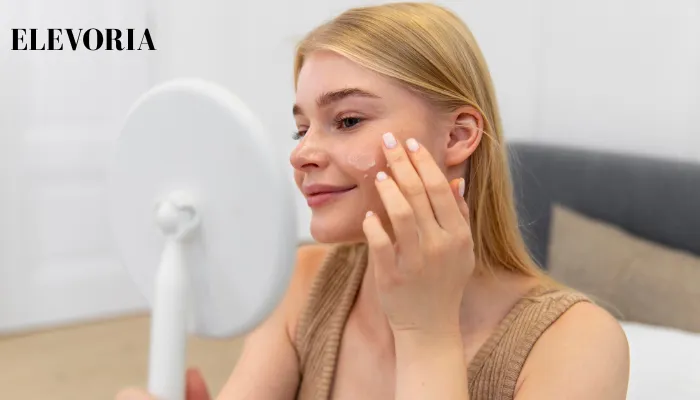
Face Moisturizer with SPF: A Practical Guide to Choosing and Using One
A face moisturizer with SPF promises to do two jobs at once: hydrate your skin and shield it from the sun. For anyone who wants a simpler morning routine, that combination is genuinely appealing. But there is a gap between what these products claim on the label and what they deliver in real-world use, and understanding that gap is the difference between effective protection and a false sense of security.
This guide breaks down how SPF moisturizers actually work, where they fall short compared with dedicated sunscreen, which skin types benefit most, and the specific application habits that determine whether your product performs as intended. It is written for anyone building a daily skincare routine who wants clear, practical answers without marketing hype.
What Is a Face Moisturizer with SPF?
A face moisturizer with SPF is a hybrid skincare product that combines a moisturizing base with ultraviolet (UV) filters. The moisturizing ingredients, such as humectants, emollients, and occlusives, address hydration and skin barrier support. The UV filters provide sun protection rated on the SPF scale.
These products are tested using the same standards as dedicated sunscreens, so if a label states SPF 30, that figure reflects the formulation’s tested protection level under laboratory conditions. A 2019 observational study published in PLOS One confirmed that many moisturizers contain SPF equivalent to sunscreens, meaning the formula itself is not inherently inferior. The variable that matters most is how the product is applied.
The primary function of a moisturizer is to hydrate and condition the skin. Sunscreen, by contrast, is designed specifically to create a protective barrier against UV radiation. When the two are combined, hydration often takes priority in the formulation, which affects texture, spreadability, and how much product a user naturally applies.
SPF Moisturizer vs. Sunscreen: What Is the Real Difference?
The difference between an SPF moisturizer and a dedicated sunscreen comes down to formulation intent and usage patterns, not necessarily the SPF number on the label.
A board-certified dermatologist quoted in NewBeauty explained that SPF moisturizers are typically optimized for daily wear, layering under makeup, and providing a cosmetically elegant finish. Dedicated sunscreens, by contrast, have a single mission: to protect against UV rays. They tend to offer more intense, durable protection, and they are often formulated with water resistance for outdoor use.
The practical consequence of this difference is application behaviour. The same PLOS One study found that users applying SPF moisturizer missed significantly more of their face than users applying sunscreen: an average of 16.6% of the face was missed with moisturizer compared to 11.1% with sunscreen. The difference was most pronounced around the eyelids, a high-risk area for skin cancer. Participants were unaware of their incomplete coverage.
Dr. Julia Carroll, a dermatologist and member of the Canadian Dermatology Association, told Healthing that her preference is to use separate products for moisturizer and sunscreen. She noted that people do not apply moisturizer in the same thorough way they apply sunscreen, and that the SPF in moisturizer is often low. She generally recommends SPF 30 or higher for daily use.
This does not mean SPF moisturizers are useless. It means their effectiveness depends entirely on whether you apply enough of them, and whether you cover the areas most people miss.
How Much SPF Moisturizer Should You Actually Apply?
The single most important factor in getting the protection stated on the label is quantity. Most people apply far less moisturizer than they would sunscreen, which means the actual protection they receive is lower than the SPF number suggests.
Dr. Marisa Garshick, a board-certified dermatologist, told Huda Beauty that adequate sun protection for the face requires the equivalent of two finger lengths of product, which is often more than what people use when applying moisturizer. A raspberry-sized amount is a useful visual reference for the face alone. Dr. Debra Jaliman, also a board-certified dermatologist, noted in the same article that many SPF moisturizers fall between SPF 10 and SPF 20, well below the SPF 30 threshold that dermatologists commonly recommend for daily use.
For the full face and neck, a quarter-teaspoon is a commonly cited reference amount. This is roughly the same quantity you would use for a dedicated sunscreen. If that sounds like a lot of moisturizer, that is precisely the point: the product is designed to be applied generously, not sparingly.
The American Academy of Dermatology recommends applying a broad-spectrum, water-resistant sunscreen with SPF 30 or higher as the last step in your morning routine, after moisturizer. Critically, the AAD also advises covering the face, neck, ears, and any other exposed areas, and reapplying every two hours when spending time outdoors.
Should You Use SPF Moisturizer Instead of Sunscreen?
The honest answer is: it depends on your habits, your skin type, and your daily environment. For some people, an SPF moisturizer is a practical improvement over doing nothing. For others, it creates a false sense of protection.
When an SPF Moisturizer Makes Sense
An SPF moisturizer can be a reasonable choice if you consistently apply a generous amount, choose a product with SPF 30 or higher and broad-spectrum coverage, cover your full face, neck, and ears, and reapply when needed. For people with normal to dry skin who spend most of the day indoors with limited sun exposure, a well-applied SPF moisturizer can function as a baseline layer of protection.
A board-certified dermatologist quoted in NewBeauty noted that SPF moisturizers lower the barrier to consistent sunscreen use, making them ideal for people who dislike layering products or find sunscreen too heavy, greasy, or uncomfortable. Many formulas also include ingredients like antioxidants, hyaluronic acid, or niacinamide, which can address concerns such as dryness or redness alongside sun protection.
When Dedicated Sunscreen Is the Better Choice
Dedicated sunscreen is generally the safer choice if you spend extended time outdoors, exercise or sweat heavily, swim, or have a history of skin cancer or precancerous lesions. Traditional sunscreens more often offer water resistance and durability, which SPF moisturizers rarely match.
If you are unsure which approach suits your situation, a reasonable strategy is to use an SPF moisturizer as your daily baseline and keep a dedicated sunscreen on hand for days when you will be outside for longer periods. This layered approach gives you flexibility without sacrificing protection.
How to Choose a Face Moisturizer with SPF for Your Skin Type
The best SPF moisturizer for you depends on how your skin behaves, not on which product has the most marketing claims. The table below outlines what to prioritise based on skin type.
| Skin Type | What to Look For | What to Avoid |
|---|---|---|
| Oily or acne-prone | Lightweight, oil-free, non-comedogenic formulas; gel or fluid textures; niacinamide can help with oil control | Heavy creams, occlusive ingredients that may clog pores, fragrances that can irritate |
| Dry or dehydrated | Formulas with hyaluronic acid, glycerin, ceramides, or squalane; cream or lotion textures | Alcohol-heavy formulas that can further dehydrate the skin |
| Sensitive or reactive | Mineral filters (zinc oxide, titanium dioxide); fragrance-free, hypoallergenic formulas | Chemical filters that may cause stinging, essential oils, alcohol |
| Combination | Lightweight lotions that hydrate without greasiness; formulas labelled non-comedogenic | Overly rich creams that may cause shine in the T-zone |
| Mature skin | Formulas with antioxidants, peptides, or niacinamide alongside SPF 30 or higher | Formulas that are too light to provide adequate hydration |
For sensitive skin, mineral (physical) sunscreens use zinc oxide or titanium dioxide, which sit on the surface of the skin and reflect UV rays. Chemical (organic) sunscreens absorb UV rays and dissipate the energy as heat. Both types can be effective, but mineral filters are often better tolerated around the eyes and on reactive skin.
Chemical vs. Mineral Filters in SPF Moisturizers
SPF moisturizers use one of two broad categories of UV filters, and each has practical trade-offs.
Chemical filters absorb UV radiation and convert it into heat. They tend to be lighter, more transparent, and easier to layer under makeup. Common chemical filter ingredients include avobenzone, octisalate, and octocrylene. Some people with sensitive skin experience stinging or irritation from certain chemical filters.
Mineral filters use zinc oxide or titanium dioxide to physically block and scatter UV rays. They are generally well tolerated by sensitive skin and are less likely to cause irritation. The trade-off is texture: mineral formulas can feel thicker and may leave a white cast on darker skin tones, although tinted versions and micronized formulations have reduced this issue in recent years.
Neither category is inherently superior. The right choice depends on your skin’s tolerance, your preferred texture, and how the product performs under your makeup or on its own.
Common Mistakes People Make with SPF Moisturizers
Even people who use SPF moisturizer daily often make mistakes that reduce its effectiveness. These are the most common ones.
Applying too little product. This is the single biggest issue. If you are applying the same amount of moisturizer you would use without SPF, you are almost certainly not getting the protection stated on the label.
Skipping the eyelids and hairline. The PLOS One study found that moisturizer users missed 20.9% of the eyelid region on average. These areas are vulnerable to UV damage and skin cancer. Choose a formula that does not sting if it gets near the eyes, and apply carefully to the full eyelid area.
Not reapplying. SPF protection degrades over time, especially with sun exposure, sweating, and rubbing. The AAD recommends reapplying every two hours when outdoors. If you are indoors near windows, reapplication is still advisable for extended periods.
Relying on SPF in makeup. Foundation, powder, or tinted moisturizer with SPF rarely provides adequate coverage because the amount applied is too small. These products can supplement protection, but they should not replace a dedicated SPF product.
Using an expired or poorly stored product. Sunscreen and SPF moisturizers degrade over time. Check expiration dates and avoid leaving products in hot cars or direct sunlight.
Neglecting the neck and ears. The AAD specifically advises covering the neck and ears, which are commonly missed and highly exposed to the sun.
How to Layer SPF Moisturizer with Other Skincare Products
The order in which you apply products affects both absorption and protection. A commonly recommended morning routine is as follows.
- Cleanse with a gentle cleanser.
- Apply any water-based serums, such as vitamin C or niacinamide.
- Apply eye cream if you use one.
- Apply your moisturizer. If you use a separate moisturizer and sunscreen, this is the moisturizer step.
- Apply your SPF product as the final skincare step. If your moisturizer contains SPF, this is the same step, but make sure you apply enough.
- Wait a few minutes for the product to settle before applying makeup.
If you use both a separate moisturizer and a dedicated sunscreen, the general guidance from the AAD is to apply moisturizer first, then sunscreen as the last step. If you are using an SPF moisturizer and want additional protection, you can layer a dedicated sunscreen on top, though this may feel heavy for some skin types.
Expert Insights: What Dermatologists Emphasise
Across multiple interviews and published guidance, dermatologists consistently emphasise three points about SPF moisturizers.
First, the SPF number on the label is only meaningful if you apply enough product. A 2019 study in PLOS One demonstrated that application behaviour differs significantly between moisturizer and sunscreen users, even when the formulas have equivalent SPF ratings. The study authors noted that the areas of the face at higher cancer risk are likely not being protected when people rely on moisturizer alone.
Second, SPF 30 or higher is the widely recommended threshold for daily use. The AAD recommends broad-spectrum, water-resistant sunscreen with SPF 30 or higher, applied every morning as the last step in the skincare routine. Many SPF moisturizers fall below this threshold.
Third, convenience should not come at the cost of coverage. An SPF moisturizer that you apply generously and consistently is better than a dedicated sunscreen that you skip. But if you choose the moisturizer route, you need to treat it with the same care you would give a sunscreen.
Actionable Recommendations
If you want to get the most from a face moisturizer with SPF, these steps will help you make better decisions and use the product more effectively.
- Choose SPF 30 or higher with broad-spectrum coverage. This ensures protection against both UVA and UVB rays, which contribute to skin cancer and premature ageing.
- Apply a quarter-teaspoon to your face and neck. Use the two-finger method or a raspberry-sized amount as a visual guide. Do not skimp.
- Cover the eyelids, hairline, ears, and neck. These are the areas most commonly missed. Use a formula that is safe for use around the eyes.
- Reapply every two hours when outdoors. If you are indoors near windows, reapplication is still advisable for extended periods.
- Patch test before introducing a new product. Apply a small amount to a discreet area of skin, such as behind the ear or on the inner forearm, and wait 24 to 48 hours to check for a reaction.
- Consider a dedicated sunscreen for outdoor days. An SPF moisturizer is a daily baseline, not a substitute for a water-resistant sunscreen during extended sun exposure.
- Check with a professional if you have specific concerns. If you are pregnant, nursing, or have a diagnosed skin condition, speak with a doctor or dermatologist before starting a new active ingredient or changing your sun protection routine.
- See a licensed provider for persistent or worsening symptoms. If you notice new or changing spots on your skin, itching, bleeding, or persistent irritation, make an appointment with a board-certified dermatologist rather than relying on over-the-counter products.
Conclusion
A face moisturizer with SPF is a legitimate, convenient option for daily sun protection, but it is not a shortcut. The formula can be just as effective as a dedicated sunscreen, provided you apply enough of it and cover the areas most people miss. The evidence shows that application behaviour, not formulation, is the weak link.
For people with normal to dry skin who spend most of the day indoors, a well-applied SPF 30 moisturizer can serve as a practical daily baseline. For outdoor activity, sweating, swimming, or higher-risk situations, a dedicated water-resistant sunscreen remains the more reliable choice. The best approach is to understand your own habits, choose a product that fits your skin type, and treat application with the same care you would give any sun protection product.
Disclaimer
This article is general educational content that synthesises publicly available dermatological and cosmetic science information. It is not personalised medical advice and is not a substitute for consultation with a qualified healthcare provider. Reactions and results vary by individual and skin type. Patch testing is recommended before introducing any new skincare product. If you are pregnant, nursing, or have a diagnosed skin condition, consult a doctor or dermatologist before starting a new active ingredient. If you have persistent, severe, or worsening skin symptoms, seek care from a licensed provider.
FAQ
Can I use a face moisturizer with SPF as my only sun protection?
It can work as a daily baseline if you apply a generous amount (about a quarter-teaspoon for the face and neck), choose SPF 30 or higher with broad-spectrum coverage, and cover commonly missed areas like the eyelids, ears, and hairline. For extended outdoor time, sweating, or swimming, a dedicated water-resistant sunscreen is generally more reliable.
Does SPF in moisturizer work as well as sunscreen?
Research published in PLOS One found that SPF moisturizers provide equivalent laboratory-tested protection but that users tend to apply them less thoroughly than dedicated sunscreen, missing more of the face and eyelids. The formula can perform well; the application is the limiting factor.
What SPF should I look for in a face moisturizer?
Dermatologists commonly recommend SPF 30 or higher for daily use. The American Academy of Dermatology advises broad-spectrum, water-resistant sunscreen with SPF 30 or higher applied every morning as the last step in the skincare routine. Many SPF moisturizers fall below this threshold, so check the label carefully.
How much SPF moisturizer should I apply to my face?
A commonly cited reference amount is a quarter-teaspoon for the face and neck, or the equivalent of two finger lengths of product. This is often more than people naturally apply when using a moisturizer. If you are not using this amount, the protection you receive will be lower than the SPF number suggests.
Do I need to reapply SPF moisturizer during the day?
Yes. The AAD recommends reapplying sunscreen every two hours when spending time outdoors, or immediately after sweating or swimming. SPF protection degrades over time with sun exposure, rubbing, and moisture. If you are indoors near windows for extended periods, reapplication is still advisable.
Can I use SPF moisturizer under makeup?
Yes, many SPF moisturizers are formulated to layer well under makeup. Allow the product to settle for a few minutes before applying foundation. Be aware that the amount of SPF moisturizer you apply under makeup may be less than the amount needed for full protection, so consider a dedicated sunscreen for higher-exposure days.
Is SPF moisturizer suitable for oily or acne-prone skin?
Yes, provided you choose a lightweight, oil-free, non-comedogenic formula. Gel or fluid textures and products containing niacinamide may be particularly suitable for oily skin. Avoid heavy creams or occlusive formulas that can clog pores.
Should I use a mineral or chemical SPF moisturizer?
Both can be effective. Mineral filters (zinc oxide, titanium dioxide) are generally better tolerated by sensitive skin and are less likely to cause stinging around the eyes. Chemical filters tend to be lighter and more transparent, making them easier to layer under makeup. The best choice depends on your skin’s tolerance and your preferred texture.
Can I skip sunscreen if my moisturizer has SPF 15?
SPF 15 provides less protection than the SPF 30 or higher that dermatologists commonly recommend for daily use. If your moisturizer has SPF 15, you may want to consider a product with a higher SPF, or layer a dedicated sunscreen on top, especially if you spend time outdoors or near windows.
What should I do if my skin reacts to an SPF moisturizer?
Stop using the product and patch test any new products before applying them to your full face. If the reaction is severe, persistent, or accompanied by swelling, blistering, or difficulty breathing, seek medical attention. For mild irritation, a fragrance-free mineral formula may be better tolerated.
Read More: Skincare Products Guide: What to Use and Why



[…] Read More: Face Moisturizer with SPF: What to Know Before You Buy […]