
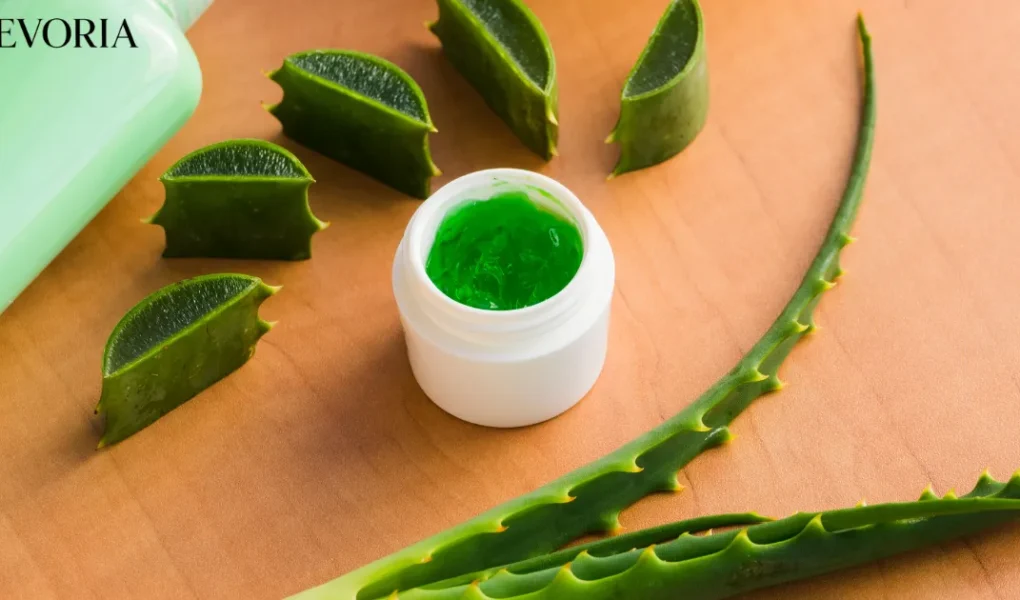
Quick answer
Sabila gel is aloe vera gel, the clear, thick substance found inside the leaves of the aloe vera plant. “Sabila” is the Spanish name for aloe vera, widely used across Latin America and in Spanish-speaking households, and it refers to the same plant and gel commonly sold in English-language products as “aloe vera gel.” The gel is used topically for skin hydration, minor burns, sunburn relief, and as a soothing ingredient in skincare and hair care routines, though it is not a proven treatment for internal medical conditions and should not be confused with aloe latex, a different part of the plant with very different safety considerations.
If you searched “sabila gel,” you are most likely trying to understand what it is, how to use it, whether it is safe, or how to extract fresh gel from an aloe vera plant at home. This guide covers all of that clearly, including an important distinction that is often left out of general aloe vera content: the difference between the gel and the plant’s latex.
What is sabila gel?
Sabila is the Spanish word for the aloe vera plant, a succulent widely grown both as a houseplant and commercially for its gel. When people refer to “sabila gel,” they are referring to the same substance known in English as aloe vera gel: the clear, slightly viscous fluid found inside the plant’s thick, fleshy leaves.
The plant itself has a long history of traditional use across many cultures, and today it is one of the most common ingredients in commercial skincare, sunburn treatments, and moisturizing products, in addition to being used fresh, directly from the plant, in many households.
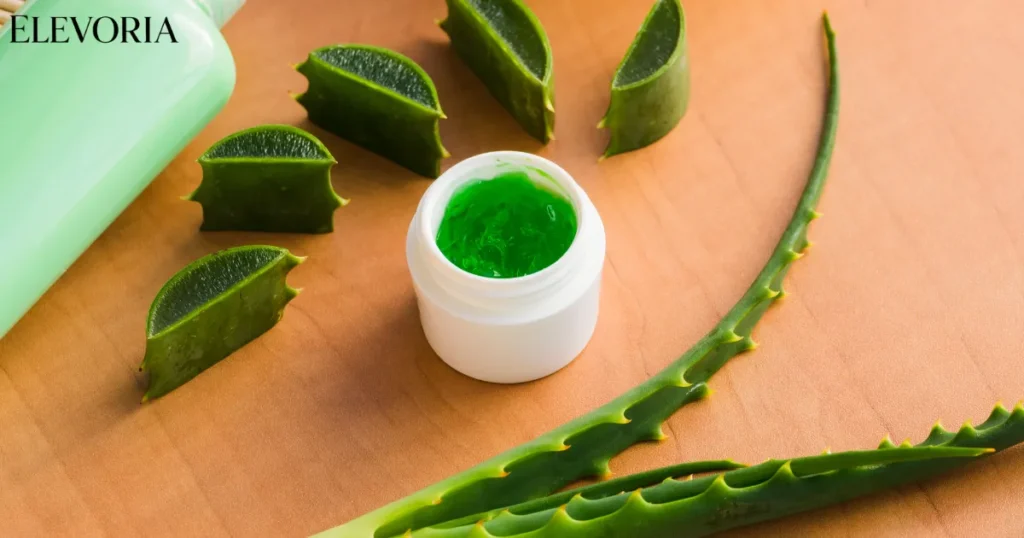
Sabila gel versus aloe latex: an important distinction
This is one of the most commonly overlooked points in general content about aloe vera, and it matters for safety.
- Aloe gel comes from the inner part of the leaf, is clear, and is the part most commonly used topically for skin hydration and soothing purposes.
- Aloe latex is a yellowish substance found just under the outer skin of the leaf. It contains compounds that have historically been used as a laxative, but it is associated with more significant safety concerns, including potential effects on the digestive system with prolonged or excessive use.
When people extract fresh gel from a whole aloe leaf at home, it is important to rinse away the yellow latex residue before applying the gel to skin, since this residue can cause irritation in some people, separate from the clear gel itself.
Common uses of sabila gel
Skin hydration and moisturizing
Aloe gel is widely used as a lightweight, soothing moisturizer, particularly for those looking for a non-greasy option or a product suited to oily or combination skin types.
Sunburn and minor burn relief
Applying aloe gel to sunburned or mildly burned skin is one of the most common traditional and commercial uses, valued for its cooling, soothing sensation on irritated skin.
Minor cuts and skin irritation
Aloe gel is sometimes applied to minor skin irritations for its soothing properties, though it is not a substitute for proper wound care or medical treatment for anything beyond very minor surface irritation.
Hair and scalp care
Some people apply aloe gel directly to the scalp or use aloe-based hair products, citing a soothing effect on scalp irritation and a lightweight feel compared to heavier hair oils.
Skincare product ingredient
Aloe gel appears as an ingredient in a wide range of commercial products, including moisturizers, after-sun products, gels, and some cosmetic formulations, generally valued for its hydrating and soothing properties.
How to extract fresh sabila gel from the plant
- Choose a mature, healthy leaf. Outer leaves are generally more mature and contain more gel than newer, inner leaves.
- Cut the leaf close to the base of the plant, using a clean, sharp knife.
- Stand the cut leaf upright in a container for about 10 to 15 minutes. This allows the yellow latex, called aloin, to drain out from the cut end, which helps reduce the risk of skin irritation from this compound.
- Rinse the leaf thoroughly under running water after the latex has drained.
- Slice off the outer green skin using a knife, working carefully along one side of the leaf to expose the clear inner gel.
- Scoop out the clear gel with a spoon, avoiding the tougher outer skin and any remaining yellowish residue.
- Rinse the extracted gel again if needed, particularly if any yellow latex residue remains visible.
- Store fresh gel in a clean, airtight container in the refrigerator, where it generally stays usable for about one to two weeks, since fresh aloe gel does not contain the preservatives found in commercial products.
Fresh sabila gel versus store-bought aloe vera gel
| Factor | Fresh sabila gel (from the plant) | Store-bought aloe vera gel |
|---|---|---|
| Shelf life | Short, generally one to two weeks refrigerated | Longer, due to added preservatives |
| Purity | No added ingredients, but requires proper preparation to remove latex | Often contains added stabilizers, fragrance, or other ingredients |
| Consistency | Naturally variable, sometimes thinner or more watery | Generally more consistent texture |
| Preparation effort | Requires cutting, draining, and cleaning the leaf | Ready to use directly from the container |
| Best suited for | Those with access to a live plant who prefer minimal added ingredients | Convenience, longer storage, consistent texture |
If choosing a store-bought product, checking the ingredient list for a high percentage of actual aloe vera gel, rather than products where aloe appears far down the ingredient list behind water, alcohol, or fragrance, generally results in a product closer to the properties of fresh gel.
Potential risks and who should be cautious
Aloe gel is generally well tolerated topically, but a few considerations are worth knowing:
- Skin sensitivity or allergic reaction. Some people experience redness, itching, or irritation from aloe gel, particularly if latex residue was not properly removed from fresh gel.
- Patch testing is recommended before applying aloe gel broadly, especially for those with sensitive skin or a history of plant-related skin reactions.
- Aloe latex should not be ingested without medical guidance. Oral use of aloe latex, as opposed to the clear gel used topically, carries more significant safety considerations and is generally not recommended without consulting a healthcare provider.
- Open wounds and deeper burns should be evaluated by a healthcare provider rather than treated solely with aloe gel, since it is intended for minor, surface-level skin concerns rather than significant injuries.
- Product purity varies in commercial aloe gels, and some products marketed as “aloe vera gel” contain only a small percentage of actual aloe, along with various added ingredients.
Common mistakes people make with sabila gel
- Applying gel with latex residue still present. Skipping the draining and rinsing steps when extracting fresh gel increases the risk of skin irritation from the yellow latex layer.
- Assuming all commercial aloe products are equally pure. Ingredient lists vary significantly, and some products contain a very small percentage of actual aloe vera gel despite prominent labeling.
- Using aloe gel on deep wounds or severe burns instead of seeking medical care. Aloe is suited to minor, surface-level skin concerns, not a substitute for appropriate medical treatment.
- Not patch testing before wider use. Skipping this step can lead to unexpected irritation, particularly for those with sensitive skin or known plant allergies.
- Storing fresh gel improperly. Because fresh, homemade aloe gel lacks preservatives, leaving it unrefrigerated or using it well past its short shelf life increases the risk of contamination or spoilage.
- Confusing gel and latex use cases. Assuming that because the clear gel is safe topically, other parts of the plant carry the same safety profile for different uses, including oral use.
Actionable recommendations
- If extracting fresh sabila gel at home, always drain the yellow latex from the cut leaf and rinse thoroughly before applying the gel to skin.
- Patch test any new aloe product, fresh or commercial, on a small area of skin before wider use.
- Check ingredient labels on store-bought products, favoring those where aloe vera gel is listed as a primary ingredient rather than appearing far down the list.
- Store fresh, homemade aloe gel in the refrigerator and use it within about one to two weeks.
- Reserve aloe gel for minor skin concerns, such as sunburn or mild irritation, and seek medical care for deeper wounds or significant burns.
- If considering internal or oral use of any aloe product, particularly one containing latex, consult a healthcare provider first rather than assuming the same safety profile as topical gel.
Frequently asked questions
What is sabila gel? Sabila gel is aloe vera gel, the clear substance found inside aloe vera leaves. “Sabila” is the Spanish name for the aloe vera plant.
Is sabila the same as aloe vera? Yes. Sabila is simply the Spanish-language name for the aloe vera plant, and sabila gel refers to the same gel commonly called aloe vera gel in English.
Is sabila gel good for the skin? Many people use it for its hydrating and soothing properties, particularly for minor sunburn, dry skin, and general skin irritation, though it is not a substitute for medical treatment for more significant skin concerns.
How do you extract sabila gel from the plant? Cut a mature leaf, let it drain upright for about 10 to 15 minutes to remove the yellow latex, rinse it, then slice off the outer skin and scoop out the clear inner gel.
Can you use sabila gel on sunburn? Yes, applying aloe gel to sunburned skin is one of its most common traditional and commercial uses, valued for its cooling and soothing effect on irritated skin.
Is sabila gel safe to eat? The clear gel is generally used topically rather than ingested. The plant’s latex, a different part of the leaf, has historically been used orally as a laxative but carries more significant safety considerations, so oral use of any part of the aloe plant should involve consulting a healthcare provider first.
How long does fresh sabila gel last? Fresh, homemade aloe gel generally lasts about one to two weeks when stored in an airtight container in the refrigerator, since it lacks the preservatives found in commercial products.
Can sabila gel cause skin irritation? Some people experience irritation, particularly if the yellow latex was not properly rinsed away during extraction, or due to individual sensitivity or allergy. Patch testing before broader use is a reasonable precaution.
The bottom line
Sabila gel and aloe vera gel are the same substance, drawn from the clear inner portion of the aloe vera leaf, and both are widely used for their hydrating and soothing properties on minor skin concerns. The most important distinction to understand, and one many general guides skip, is the difference between the clear gel and the plant’s yellow latex, since proper extraction and use directly affect both comfort and safety, whether you are working with a fresh plant or choosing a commercial product.
This article is for general informational purposes and is not a substitute for professional medical advice. If you have a significant burn, wound, or skin condition, or are considering internal use of any aloe product, consult a healthcare provider first.
Read More: Gua Sha: What It Is, What It Actually Does, and How to Use It Safely



[…] Read More: Sabila Gel: What It Is, Benefits, and How to Use Aloe Vera Gel Safely […]