
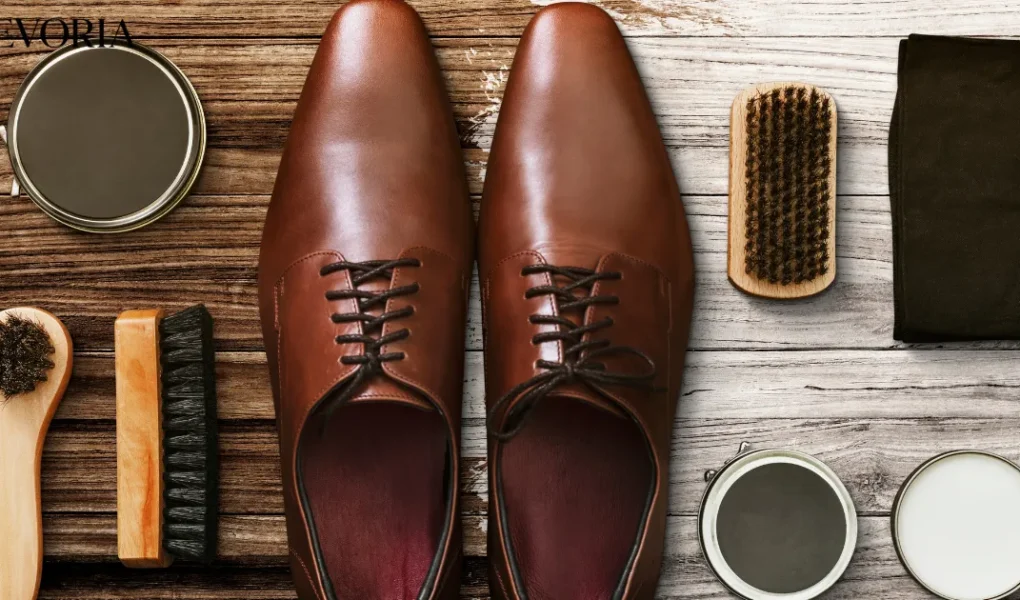
A stain or scuff on suede shoes tends to trigger immediate panic, and understandably so, since suede has a reputation for being unforgiving if cleaned the wrong way. The good news is that most everyday dirt, scuffs, and even many stains can be treated safely at home with the right tools and technique, as long as you match the method to the specific problem rather than scrubbing blindly.
This guide walks through exactly how to clean suede shoes for everyday dirt, dust, and multiple specific stain types, along with the tools worth having on hand and the mistakes that most often make suede damage worse instead of better.
What You Need Before You Start
- A suede brush with brass or nylon bristles, used for lifting dirt and restoring the napped texture
- A suede eraser for spot-treating scuffs and light stains
- A clean, dry cloth for gentle wiping and blotting
- White vinegar for treating certain stains, such as salt marks
- A suede protector spray for ongoing prevention after cleaning
Having these basic tools ready before a stain happens makes it much easier to treat problems quickly, since suede generally responds better to prompt treatment than to a stain that has been left to set.
How to Clean Suede Shoes: Step by Step
- Let the shoes dry completely if wet. Suede should never be cleaned while damp, since moisture can push dirt deeper into the fibers and create an uneven texture once dry.
- Brush the entire shoe in one direction first. Using a suede brush, apply light, even strokes to remove loose dirt and dust before targeting any specific stains.
- Identify the type of stain or issue. Different problems, such as dry dirt, scuffs, water marks, or oil stains, require different treatment approaches, so identifying the issue before treating it prevents using the wrong method.
- Treat the specific stain using the appropriate method from the stain-specific guidance below.
- Brush the entire shoe again in the same direction to restore an even, uniform nap texture after stain treatment.
- Allow the shoes to air dry fully away from direct heat sources if any moisture was used during the cleaning process.
- Apply a suede protector spray once the shoes are completely dry and clean, to help prevent future stains and water damage.
Cleaning Suede Shoes by Stain Type
| Stain Type | Recommended Method |
|---|---|
| Dry dirt or dust | Brush in one direction with a suede brush, using light to moderate pressure |
| Scuff marks | Use a suede eraser directly on the scuff, followed by brushing to restore texture |
| Water stains | Dampen the entire shoe evenly with a clean cloth, allow to dry fully, then brush |
| Salt stains | Apply a mixture of equal parts water and white vinegar with a cloth, let dry, then brush |
| Oil or grease stains | Blot excess oil immediately, apply cornstarch or talcum powder, let sit several hours, then brush away |
| General odor | Sprinkle baking soda inside the shoes, let sit overnight, then shake or vacuum out |
Water Stains
Water stains often appear as a distinct dark ring or patch once suede dries after getting wet. Rather than trying to spot-treat just the stained area, lightly and evenly dampening the entire surface with a clean, damp cloth and allowing it to dry fully helps even out the moisture exposure, preventing a visible line between the stained and unstained areas. Brushing once completely dry restores the texture.
Salt Stains
Salt stains, common during winter months, generally respond well to a mixture of equal parts water and white vinegar applied lightly with a cloth directly to the stained area. Allow the shoes to air dry completely before brushing, and test the solution on a small, hidden area first to confirm it does not affect color.
Oil and Grease Stains
Oil-based stains require a different approach than water-based ones, since water alone will not lift oil effectively. Blotting any excess oil immediately with a clean cloth, then covering the stain with cornstarch or talcum powder and allowing it to sit for several hours or overnight, helps absorb the oil from the fibers. Brushing away the powder afterward typically reveals a significantly reduced or fully removed stain.
Scuff Marks
A suede eraser, a specialized rubber tool designed for suede, is generally the most effective tool for scuff marks. Rubbing it directly over the scuffed area, followed by brushing in the shoe’s natural nap direction, typically lifts the mark by realigning the fibers and removing surface residue.
Can You Clean Suede Shoes With Water
Suede can tolerate light, careful use of water in certain cleaning methods, such as evenly dampening the surface for water stain treatment, but soaking suede or using excessive water is generally not recommended. Suede is more sensitive to moisture than smooth leather, and heavy water exposure can cause the fibers to mat, stiffen, or develop an uneven texture once dry.
If suede becomes significantly wet, such as from heavy rain, allowing it to air dry naturally away from direct heat, then brushing thoroughly once dry, is the safest approach rather than attempting to speed up drying with a hairdryer or direct heat source.
Can Suede Shoes Be Machine Washed
This is generally not recommended for most suede shoes. Machine washing exposes suede to prolonged water saturation, agitation, and often heat during the drying cycle, all of which can damage the material’s texture and structural integrity. Hand cleaning using the targeted, stain-specific methods described above is the safer and more effective approach for maintaining suede’s appearance over time.
Common Mistakes People Make
Using a standard leather cleaner or conditioner on suede. These products are formulated for smooth leather and can damage suede’s textured surface rather than cleaning it effectively.
Scrubbing aggressively at a stain. Excessive pressure can push the stain deeper into the fibers or damage the nap, making the mark harder to remove rather than easier.
Trying to dry wet suede quickly with direct heat. This can cause the material to stiffen, crack, or shrink, so air drying at room temperature remains the safer method regardless of how urgently you need the shoes.
Skipping a patch test before applying any cleaning solution. Testing vinegar, water, or any treatment on a small, hidden area first helps confirm it will not cause discoloration on a visible part of the shoe.
Ignoring oil stains until they set. Oil-based stains become significantly harder to treat the longer they sit, so blotting and treating them as soon as possible generally produces better results than waiting.
Expert Insight: Suede Direction Consistency Affects Cleaning Results as Much as the Cleaning Method Itself
A detail often missed in general suede cleaning advice is that suede has a natural nap direction, and brushing consistently in that same direction throughout the entire cleaning process, from initial dirt removal through final texture restoration, produces noticeably more even results than brushing in mixed or random directions. Even a correctly treated stain can look patchy or uneven if the surrounding brushing was inconsistent, which is why maintaining directional consistency matters as much as the specific stain treatment method used.
Actionable Recommendations
- Keep a suede brush, suede eraser, and suede protector spray on hand before a stain happens, rather than searching for tools after the fact
- Identify the specific stain type before treating it, since water, salt, oil, and scuff marks all require different methods
- Always test any cleaning solution on a small, hidden area first to confirm it will not cause discoloration
- Let suede dry completely before brushing or treating any stain, since cleaning wet suede often makes the problem worse
- Apply a suede protector spray regularly, especially before wet weather, to reduce how often deep cleaning is needed in the first place
Conclusion
Cleaning suede shoes successfully comes down to matching the treatment method to the specific type of dirt or stain, rather than using one generic cleaning approach for every problem. Understanding how to handle water stains, salt marks, oil, and scuffs separately, combined with consistent brushing technique and proper drying, makes it possible to keep suede shoes looking well maintained for years rather than replacing them after the first stubborn stain.
Frequently Asked Questions
How do you clean suede shoes at home? Brush the shoes in one consistent direction to remove loose dirt, identify the specific stain type if present, treat it with the appropriate method, then brush again and allow the shoes to fully air dry.
Can you clean suede shoes with water? Light, careful use of water works for certain treatments like water stain removal, but soaking suede or using excessive water is not recommended, since suede is sensitive to heavy moisture exposure.
How do you get salt stains out of suede shoes? Applying a mixture of equal parts water and white vinegar with a cloth, allowing the shoes to air dry completely, then brushing generally removes salt stains effectively.
What household items clean suede shoes? White vinegar mixed with water works well for salt stains, while cornstarch or talcum powder can absorb oil-based stains when left to sit for several hours before brushing away.
Can suede shoes be washed in a washing machine? This is generally not recommended, since machine washing exposes suede to prolonged water saturation and heat that can damage its texture and structure. Hand cleaning with targeted methods is safer.
How do you remove oil stains from suede shoes? Blot any excess oil immediately, then cover the stain with cornstarch or talcum powder and let it sit for several hours or overnight before brushing away the powder and any lifted residue.
Can a suede eraser remove all types of stains? A suede eraser works best for scuff marks and light surface stains, but water, salt, and oil-based stains generally require the specific treatment methods described for each stain type rather than an eraser alone.
How often should suede shoes be cleaned? Regular brushing after each wear helps prevent dirt buildup, while deeper stain treatment should be done as soon as a specific stain appears, since oil and other stains become harder to treat the longer they sit.
Read More: How to Remove Pilling From Clothes: A Complete Step-by-Step Guide