
Those small, fuzzy balls that show up on a favorite sweater after a few wears can make even a genuinely good piece of clothing look worn out and cheap. The frustrating part is that pilling is not always a sign of poor quality, and treating it with the wrong tool can do more damage than the pilling itself.
This guide explains what actually causes pilling, how to remove it safely depending on your fabric type, which tools work best for different situations, and how to reduce how often it happens in the future.
What Is Pilling and What Causes It
Pilling is the formation of small, tangled balls of fiber on the surface of fabric, caused by friction that loosens shorter or weaker fibers, which then tangle together into visible knots rather than shedding away completely. This friction commonly occurs from regular wear, particularly in areas that experience repeated rubbing, such as underarms, sleeves, and areas that contact a bag strap or seatbelt, as well as from the washing machine’s agitation during laundering.
Pilling is a natural fiber behavior rather than always a manufacturing defect, though certain fabric types and constructions are considerably more prone to it than others.
Does Pilling Mean Poor Fabric Quality
Not necessarily. While pilling can occur more readily in lower quality, loosely woven fabrics, several other factors influence how much a garment pills, including fiber type, fabric weave tightness, and even fiber length used in the original yarn.
- Natural fibers with longer staple lengths, such as high quality cotton or wool, generally pill less than fabrics made from shorter, weaker fibers
- Tightly woven or knit fabrics tend to pill less than loosely constructed ones, since there is less opportunity for loose fibers to work their way to the surface
- Blended fabrics, particularly those combining natural and synthetic fibers, can sometimes pill more due to the different strength and friction characteristics of each fiber type interacting within the same weave
This means a relatively expensive sweater can still pill if it uses shorter fiber wool or a looser knit, while a well-constructed, tightly woven garment made from more affordable fibers might resist pilling better than expected.
Tools for Removing Pilling: Comparison by Fabric Type
| Tool | Best For | Risk Level |
|---|---|---|
| Fabric shaver (electric) | Sweaters, knitwear, most medium to heavy fabrics | Low risk with correct settings, can be too aggressive on delicate fabric if used carelessly |
| Sweater comb | Wool, cashmere, and other delicate knitwear | Low risk, generally gentle and precise |
| Pumice stone | Sturdy knits, heavier fabrics | Moderate risk, can be too abrasive for delicate or thin fabric |
| Disposable razor | Lightweight to medium fabrics, quick spot treatment | Higher risk of snagging or cutting fabric if not used carefully |
| Manual lint or fabric brush | Light pilling maintenance across most fabric types | Low risk, though less effective on heavier pilling |
Choosing the right tool for your specific fabric type significantly reduces the risk of accidentally damaging the garment while removing pills.
How to Remove Pilling From Clothes: Step by Step
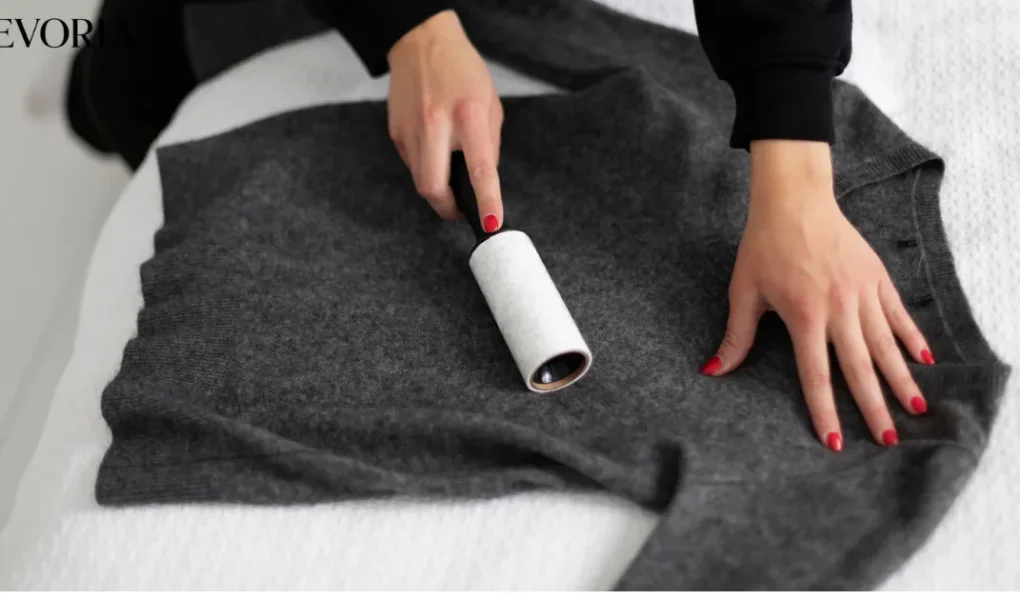
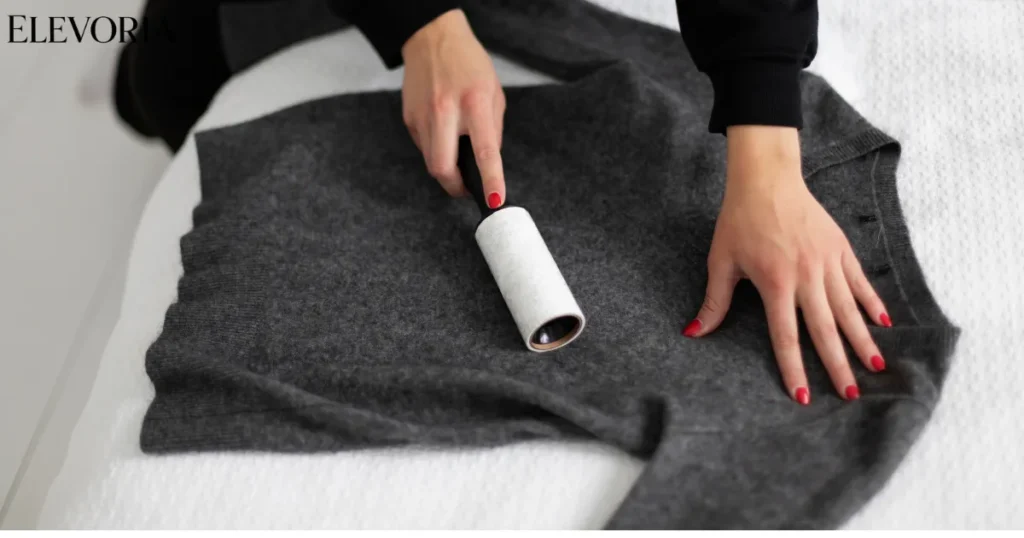
- Lay the garment flat on a hard, smooth surface. This provides stable tension against the fabric, making it easier to remove pills evenly without stretching or distorting the garment.
- Identify the areas with the most pilling. Common trouble spots include underarms, sleeves, and areas that experience regular friction from bags, seatbelts, or other clothing layers.
- Choose the appropriate tool for your fabric type, referring to the comparison table above based on the garment’s weight and delicacy.
- Test on a small, inconspicuous area first, such as an inner seam, to confirm the tool works safely on the specific fabric without causing snags, thinning, or holes.
- Work in small sections, using light, even strokes. Moving too quickly or applying too much pressure increases the risk of catching and damaging fabric fibers.
- Brush or shake off the removed pills periodically during the process to keep the treated area visible and avoid missing spots.
- Inspect the entire garment once finished to catch any remaining pills, particularly in commonly overlooked areas like the underside of sleeves or the lower back.
How to Prevent Pilling in the Future
- Turn garments inside out before washing. This reduces friction on the outer, visible surface of the fabric during the wash cycle.
- Use a gentle wash cycle for delicate or pill-prone fabrics. Aggressive agitation increases friction and accelerates pilling over time.
- Wash similar fabric types together. Mixing rougher fabrics, like denim, with delicate knits in the same wash load increases friction and pilling risk for the more delicate items.
- Avoid overloading the washing machine. Overcrowding increases fabric-to-fabric friction during the wash cycle, contributing to faster pilling.
- Air dry when possible, particularly for knitwear. The tumbling motion and heat of a machine dryer can accelerate pilling and general fiber wear.
- Use a mesh laundry bag for delicate items. This reduces direct friction against other garments and the machine drum during washing.
- Rotate wear of pill-prone garments. Reducing how often a specific piece experiences friction from bag straps or repeated wear can slow pilling over time.
Common Mistakes People Make
Using a razor on delicate or loosely woven fabric. This significantly increases the risk of accidentally cutting the fabric itself rather than just removing surface pills.
Skipping the test spot before treating the visible parts of a garment. This can result in unexpected fabric damage on a clearly visible area rather than a hidden seam.
Applying too much pressure with any tool. Aggressive pressure increases the risk of thinning the fabric or creating small holes, regardless of which specific tool is used.
Washing pill-prone fabrics on a regular or heavy cycle. This increases the friction responsible for pilling in the first place, accelerating the problem rather than preventing it.
Assuming all pilling means the garment is ruined or low quality. Pilling can often be removed successfully with the right tool and technique, and even naturally pill-prone fabrics can look refreshed after proper treatment.
Expert Insight: Fiber Length Explains Why Identical-Looking Fabrics Pill Differently
A detail often missed in general pilling advice is that fiber staple length, meaning the length of the individual fibers spun into yarn, has a significant effect on pilling tendency, independent of fabric weight or apparent quality. Longer staple fibers are less likely to work loose and tangle into visible pills compared to shorter staple fibers, which is part of why two sweaters that look and feel similar in the store can perform very differently after several wears and washes. This fiber-level difference is often not visible or obvious at the time of purchase, which is why pilling can sometimes feel unpredictable even when buying from reputable brands.
Actionable Recommendations
- Choose a fabric shaver or sweater comb for most knitwear, reserving razors for careful, light use on sturdier fabrics only
- Always test any de-pilling tool on a hidden seam before treating visible areas of the garment
- Turn pill-prone garments inside out and use a gentle wash cycle to reduce friction during laundering
- Air dry knitwear and delicate fabrics rather than using a machine dryer, which accelerates both pilling and general fiber wear
- Rotate wear of garments that experience regular friction, such as those worn frequently with a bag strap or seatbelt, to slow pilling over time
Conclusion
Pilling is a natural result of fiber friction rather than always a sign of poor quality, and removing it safely comes down to matching the right tool to your specific fabric type and using light, careful technique. Combined with simple prevention habits like gentle washing and air drying, these steps make it entirely possible to keep favorite sweaters and knitwear looking refreshed for much longer, rather than replacing them at the first sign of pilling.
Frequently Asked Questions
What causes pilling on clothes? Pilling is caused by friction that loosens shorter or weaker fibers, which then tangle together into small, visible balls rather than shedding away completely. This commonly occurs from regular wear and washing machine agitation.
How do you remove pills from a sweater without damaging it? Using a fabric shaver or sweater comb, testing first on a hidden seam, and working in small sections with light, even strokes generally removes pills safely without damaging the fabric.
What is the best tool for removing pilling? This depends on fabric type. Fabric shavers and sweater combs work well for most knitwear, while pumice stones suit sturdier fabrics, and razors should be used carefully only on more durable materials.
Does pilling mean poor fabric quality? Not necessarily. Fiber length, weave tightness, and fabric blend all influence pilling tendency, meaning even relatively higher quality garments can pill if made from shorter staple fibers or looser construction.
How do you stop clothes from pilling in the wash? Turning garments inside out, using a gentle wash cycle, washing similar fabric types together, and avoiding an overloaded machine all help reduce the friction responsible for pilling.
Can a razor be used to remove pilling? Yes, but carefully and only on sturdier, less delicate fabrics, since razors carry a higher risk of snagging or cutting fabric compared to tools specifically designed for de-pilling.
Does pilling get worse over time if not treated? Pilling can accumulate with continued wear and washing if not addressed, though it does not typically spread on its own without the friction that causes it in the first place.
Can pilling be prevented entirely? Not entirely, since some fiber friction is inevitable with normal wear, but gentle washing, air drying, and rotating wear of pill-prone garments can significantly slow how quickly pilling develops.
Read More: Wedding Cocktail Gowns: A Complete Guide for Guests and Brides

[…] Read More: How to Remove Pilling From Clothes: A Complete Step-by-Step Guide […]
[…] Read More: How to Remove Pilling From Clothes: A Complete Step-by-Step Guide […]