Why Long Sleeve Outfits Are More Versatile Than People Expect
Long sleeve tops are often treated as a cold-weather default, but the sleeve length itself does not determine how casual, formal, or seasonal an outfit looks. Fabric weight, fit, and the pieces paired with the top matter far more than sleeve length alone.
A lightweight cotton or linen long sleeve shirt with the sleeves rolled up can work well in warm weather, while a heavier ribbed or knit long sleeve top suits colder months. This distinction is useful because it means long sleeve pieces can be styled across nearly the entire year, not just during fall and winter.
Long Sleeve Outfit Formulas by Occasion
Casual Everyday Outfit
A fitted long sleeve top tucked into straight-leg or wide-leg jeans, paired with white sneakers, creates a simple, put-together casual look. Adding a crossbody bag and minimal jewelry keeps the outfit easy without looking underdressed.
Work or Office Outfit
A structured long sleeve blouse in a solid color, tucked into tailored trousers or a pencil skirt, reads as polished and professional. Layering a blazer over the top adds formality for meetings, while removing it keeps the same outfit appropriate for a more relaxed office day.
Dressed-Up Evening Outfit
A fitted long sleeve top in silk, satin, or a fine knit, paired with tailored pants or a midi skirt, works well for dinners or evening events. Adding statement earrings and heeled shoes shifts the same basic top from daytime casual to evening appropriate.
Cold-Weather Layered Outfit
A long sleeve base layer under an open cardigan or structured coat, paired with jeans or trousers and ankle boots, creates a warm but intentional layered look. Choosing pieces of varying but complementary lengths, such as a cropped sweater over a slightly longer long sleeve top, keeps the proportions balanced rather than bulky.
Warm-Weather Long Sleeve Outfit
A lightweight, breathable long sleeve shirt in linen or cotton, left partially unbuttoned or with sleeves rolled to the elbow, paired with shorts or a light skirt, works well for transitional warm days or sun protection during outdoor activities. This combination is common in climates or seasons where sun coverage is preferred over bare arms.
Fabric Guide for Long Sleeve Tops by Season
| Season | Recommended Fabric | Why It Works |
|---|---|---|
| Spring | Lightweight cotton, chambray | Breathable with enough structure for mild temperatures |
| Summer | Linen, lightweight cotton blends | Airy and breathable, suitable for warm weather or sun coverage |
| Fall | Midweight knit, flannel | Provides warmth without being as heavy as winter fabrics |
| Winter | Wool blends, ribbed knit, fleece-lined fabrics | Insulates well and layers effectively under coats |
Choosing fabric weight based on season, rather than assuming all long sleeve tops are equally warm, is one of the most practical ways to get more use out of long sleeve pieces throughout the year.
How to Layer Long Sleeve Outfits Without Looking Bulky
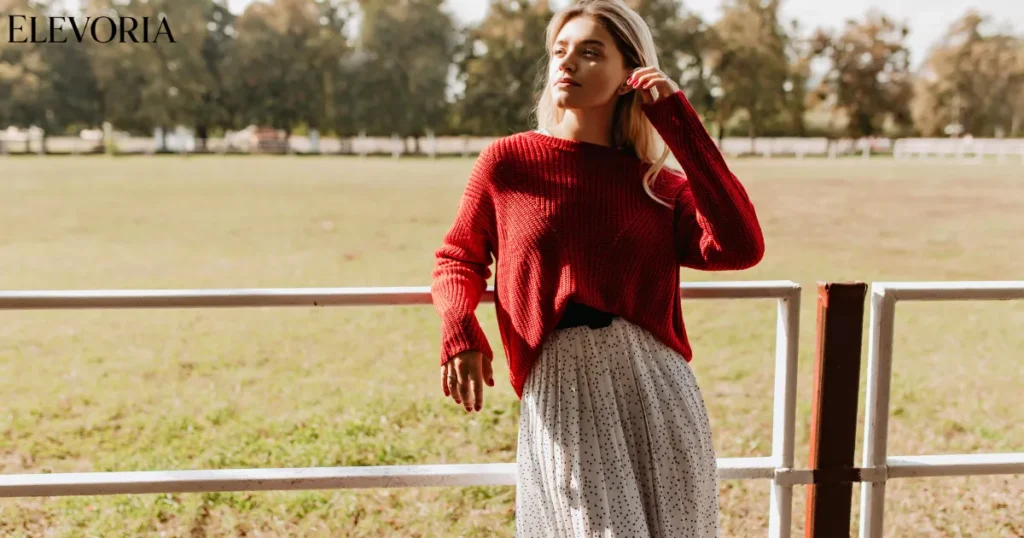
Layering long sleeve pieces effectively comes down to varying fabric thickness and proportion rather than stacking similarly bulky items together.
- Pair a fitted long sleeve base layer with a looser outer layer, such as an oversized cardigan or coat, rather than combining two loose pieces.
- Push or roll sleeves slightly at the cuff when layering, which reduces bulk at the wrist and creates a more intentional look.
- Balance proportions, such as pairing a slightly cropped outer layer with a longer base layer, or a fitted top with wider-leg bottoms.
- Limit heavy layers to two main pieces, such as a base top and one structured outer layer, to avoid an overloaded silhouette.
Common Mistakes to Avoid
Assuming long sleeve tops are only for cold weather. Fabric choice, not sleeve length, determines how appropriate a top is for warm weather. Lightweight long sleeve shirts are a practical option for sun coverage in summer as well.
Layering multiple bulky pieces together. Combining a thick sweater over a thick long sleeve base layer under a heavy coat often creates an oversized, unintentional silhouette rather than a polished layered look.
Ignoring fit when dressing up a long sleeve top. A boxy, oversized long sleeve top can look too casual for work or evening settings unless deliberately paired with more tailored bottoms to balance the proportions.
Overlooking sleeve length when rolling or pushing sleeves. Uneven or overly bunched sleeves can make an otherwise polished outfit look unfinished, so adjusting sleeve rolls symmetrically makes a noticeable difference.
Sticking to the same one or two outfit formulas. Long sleeve tops can transition across casual, work, and evening settings, so relying on the same casual pairing repeatedly limits how versatile the piece can actually be.
Expert Insights
Stylists frequently point out that a long sleeve top functions similarly to a blank canvas, since its versatility comes almost entirely from what it is paired with rather than the garment itself. The same fitted long sleeve top can move from a casual daytime look to an office-appropriate outfit to an evening look, depending on the bottoms, layers, and accessories chosen.
Fit is often more influential than color or print when it comes to how formal or casual a long sleeve outfit reads. A fitted or slightly tailored long sleeve top generally appears more polished, while a relaxed or oversized fit leans more casual by default, regardless of the fabric or color chosen.
Actionable Recommendations
- Choose fabric weight based on the season, not just personal preference, to get more year-round use from long sleeve tops.
- Build a few core outfit formulas, such as one casual, one work-appropriate, and one dressed-up combination, using pieces already in your wardrobe.
- When layering, pair a fitted base with a looser outer layer rather than combining two bulky pieces.
- Adjust sleeve rolls or cuffs symmetrically for a more polished finish.
- Use accessories and bottoms, not just the top itself, to shift an outfit between casual and formal settings.
- Keep a lightweight long sleeve option on hand for warm weather sun coverage rather than assuming short sleeves are the only summer option.
Conclusion
Long sleeve outfits are far more adaptable than they are often given credit for, since fabric weight, fit, and pairing choices matter more than sleeve length alone in determining how casual, formal, or seasonal a look reads. With a small set of outfit formulas and some attention to fabric and layering, a single long sleeve top can be styled for casual days, office settings, evening events, and even warm weather, making it one of the more versatile pieces in a wardrobe rather than a strictly cold-weather item.
Frequently Asked Questions
What can I wear with a long sleeve shirt? A long sleeve shirt pairs well with jeans and sneakers for a casual look, tailored trousers or a skirt with a blazer for work, or fitted pants and heels for an evening outfit, depending on the fabric and fit of the shirt.
Are long sleeve shirts good for summer? Yes, lightweight fabrics such as linen or breathable cotton make long sleeve shirts suitable for summer, often used for sun coverage during warm weather rather than warmth alone.
How do you dress up a long sleeve top? Choosing a fitted silhouette, pairing it with tailored bottoms, and adding heeled shoes or statement accessories are effective ways to shift a long sleeve top from casual to dressed up.
What fabric is best for long sleeve tops in warm weather? Linen and lightweight cotton blends are generally the most breathable and comfortable options for long sleeve tops in warm weather.
Can long sleeve shirts be worn casually and for work? Yes, the same long sleeve shirt can often work for both settings, with the difference typically coming from what it is paired with, such as jeans and sneakers for casual wear versus tailored trousers and a blazer for work.
How do I layer a long sleeve top without looking bulky? Pairing a fitted long sleeve base layer with a single looser outer layer, rather than combining multiple thick pieces, generally creates a cleaner, less bulky silhouette.
Is it better to tuck in a long sleeve top or leave it untucked? This depends on the desired look and the top’s length. Tucking in generally creates a more polished, put-together appearance, while leaving it untucked tends to read as more relaxed and casual.
What shoes go best with a long sleeve outfit? Shoe choice depends on the occasion rather than the sleeve length itself. Sneakers suit casual long sleeve outfits, while heeled shoes or loafers suit work or evening looks.
Can long sleeve tops be worn in humid climates? Lightweight, breathable fabrics such as linen can be worn comfortably in humid climates, though heavier knits or fleece-lined fabrics are better suited to cooler, drier conditions.
What is the difference between a long sleeve shirt and a long sleeve blouse for styling purposes? A long sleeve shirt generally has a more structured, button-front design that suits casual to smart-casual styling, while a blouse often has a softer drape and finer fabric, making it more suited to work or dressed-up occasions
Read More: Oldest Fashion in History: A Timeline of the World’s Earliest Clothing