
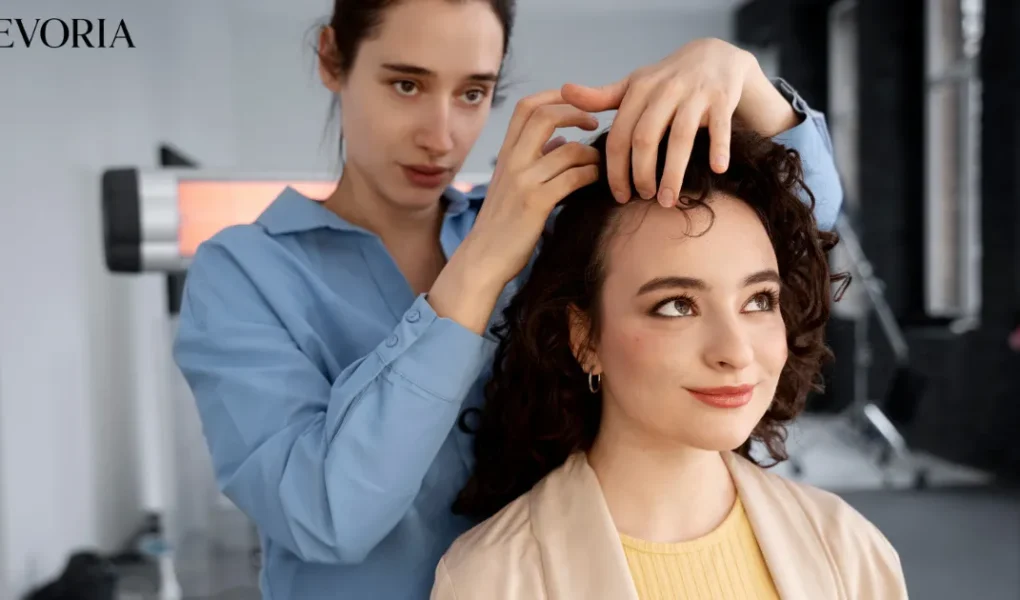
What Is a Perm
A perm, short for permanent wave, is a chemical hair treatment that restructures the hair’s internal bonds to create a lasting curl or wave pattern that remains after washing and styling. Unlike temporary curling methods such as curling irons or rollers, a perm changes the hair’s structure at a chemical level, which is why the result lasts for months rather than washing out or reverting after the hair gets wet.
The process involves applying a chemical solution that breaks down the hair’s natural disulfide bonds, then wrapping the hair around rods or formers to shape it into the desired curl or wave pattern, followed by a neutralizing solution that resets the bonds in the new shape. This is why perms require professional application in most cases, since the chemical process and precise timing significantly affect both the result and the health of the hair.
Types of Perms
Different perm techniques produce different curl patterns and suit different hair types and desired outcomes.
| Perm Type | Curl Pattern | Best Suited For |
|---|---|---|
| Classic (cold) perm | Tight, uniform curls | Shorter to medium length hair, dramatic curl |
| Body wave perm | Loose, soft waves | Adding volume and movement without tight curls |
| Spiral perm | Defined, elongated spiral curls | Longer hair seeking a cascading curl pattern |
| Digital (hot) perm | Looser, more natural-looking waves, often set with heat | Straighter or coarser hair types seeking softer curl definition |
| Root perm | Volume concentrated at the roots only | Adding lift and volume without curling the full length |
Choosing the right type depends on hair length, texture, and the specific look being sought, since a technique suited to short, fine hair may produce a very different result on long, coarse hair.
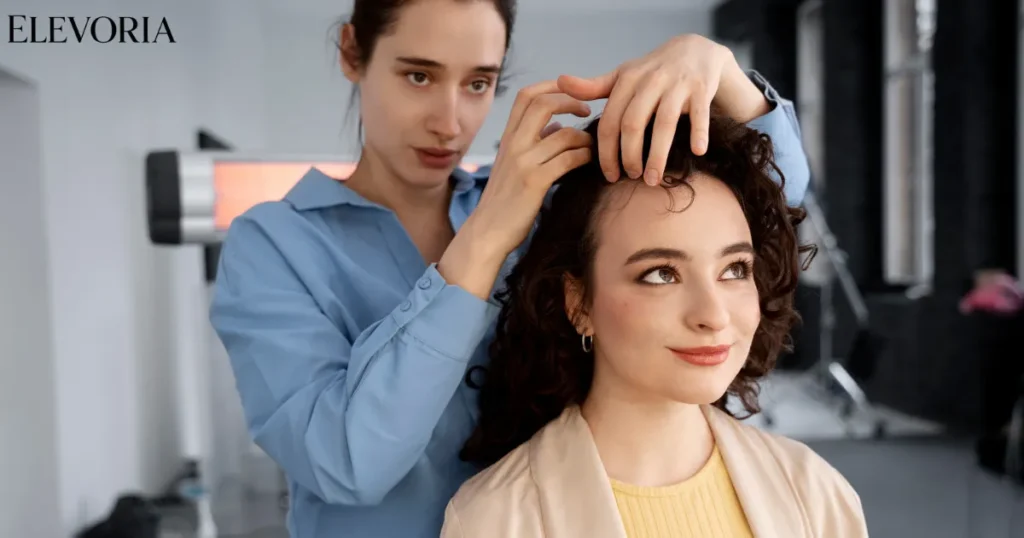
How Long Does a Perm Last
A perm is considered a semi-permanent treatment, generally lasting between three and six months, though this varies depending on hair growth rate, hair type, and how well the perm is maintained. As hair grows out, new growth will be naturally straight or in its original texture, which gradually changes the overall appearance of the style over time, particularly for longer hair.
The curl pattern itself does not typically wash out or fade the way temporary styling does, but it can loosen gradually with repeated washing, heat styling, and general wear over the following months.
Does a Perm Damage Your Hair
Perming involves a chemical process that does affect the hair’s internal structure, and hair that has already been chemically treated, such as through bleaching or coloring, is generally more vulnerable to additional damage from perming. This is why many hairstylists recommend a consultation and, in some cases, a strand test before proceeding, particularly for previously treated or already fragile hair.
Healthy, well-conditioned hair generally tolerates the perming process better than damaged or over-processed hair, which is part of why proper aftercare and avoiding additional chemical treatments too soon after a perm are commonly recommended.
Can You Perm Colored or Bleached Hair
This depends heavily on the current condition of the hair rather than the fact that it has been colored or bleached alone. Hair that has undergone significant chemical processing, particularly bleaching, may already have compromised internal bonds, which increases the risk of breakage or uneven results when adding another chemical process like perming.
A professional consultation, and often a strand test, is the standard way to assess whether previously colored or bleached hair is healthy enough to safely undergo a perm, rather than making this determination without professional input.
How to Care for Permed Hair
Immediately After the Perm
Most stylists recommend avoiding washing the hair for at least 24 to 48 hours after a perm, since this allows the newly set curl pattern to fully stabilize. Avoiding tight hairstyles, such as ponytails or clips, during this initial period also helps preserve the curl shape.
Ongoing Maintenance
- Use sulfate-free shampoo and conditioner formulated for chemically treated or curly hair, since sulfates can strip moisture and accelerate curl breakdown.
- Deep condition regularly to help restore moisture the chemical process may have reduced.
- Limit heat styling, particularly high-heat tools, since heat can loosen the curl pattern and add further stress to chemically treated hair.
- Avoid additional chemical treatments too soon, such as coloring or another perm, since layering chemical processes increases the risk of damage.
- Use a wide-tooth comb or fingers to detangle rather than a fine-tooth comb or brush, which can disrupt the curl pattern and cause breakage.
Common Mistakes to Avoid
Choosing a perm type based on photos alone without considering hair texture. The same perm technique can produce noticeably different results on different hair types, so consulting with a stylist about your specific hair rather than requesting a specific type based on a photo alone leads to more predictable results.
Washing hair too soon after the treatment. Washing before the recommended waiting period can loosen or distort the curl pattern before it has fully set.
Skipping a consultation for previously treated hair. Proceeding with a perm on already damaged or heavily processed hair without professional assessment increases the risk of breakage or an uneven result.
Using regular shampoo not formulated for treated hair. Standard shampoos, particularly those containing sulfates, can accelerate moisture loss and cause the curl pattern to break down faster than expected.
Combining multiple chemical treatments too close together. Getting a perm shortly before or after coloring or bleaching significantly increases the risk of damage, so spacing out chemical treatments is generally recommended.
Expert Insights
Hairstylists frequently note that the health of the hair before the perm process begins is one of the strongest predictors of both the final result and how well the hair holds up afterward. Hair that is already dry, brittle, or over-processed is far more likely to experience breakage or an uneven curl pattern than hair that is well-conditioned and structurally healthy going into the appointment.
It is also worth noting that perm results can look noticeably different once the hair is fully dry and styled compared to how it appears immediately after the appointment, since the curl pattern often relaxes slightly and becomes more natural-looking over the following days. This is a normal part of the process rather than a sign that something went wrong.
Actionable Recommendations
- Choose a perm type based on a consultation about your specific hair texture and length, rather than a reference photo alone.
- If your hair has been previously colored or bleached, request a strand test before committing to a full perm.
- Avoid washing your hair for at least 24 to 48 hours after the appointment to let the curl pattern set.
- Switch to sulfate-free shampoo and conditioner formulated for chemically treated hair.
- Limit heat styling and additional chemical treatments in the weeks following a perm.
- Deep condition regularly to help maintain hair health and curl definition over time.
Conclusion
A perm is a chemical process that creates a lasting curl or wave pattern by restructuring the hair’s internal bonds, with results generally lasting three to six months depending on hair growth and maintenance. Choosing the right perm type for your specific hair texture and length, assessing hair health beforehand, and following proper aftercare are the key factors that determine both how well the perm turns out and how well the hair holds up afterward. Understanding these details before booking an appointment makes it much easier to get a result that matches expectations while minimizing unnecessary damage to the hair.
Frequently Asked Questions
What is the difference between a perm and a body wave? A perm is the general term for a chemical treatment that creates lasting curls or waves, while a body wave is a specific type of perm designed to create loose, soft waves rather than tight, defined curls.
How long does a perm last? A perm generally lasts between three and six months, though this varies based on hair growth rate, hair type, and how well the perm is maintained afterward.
Does a perm damage your hair? The perming process does involve a chemical treatment that affects the hair’s internal structure, and hair that is already damaged or previously chemically treated is more vulnerable to further damage, which is why a consultation and proper aftercare are recommended.
Can you perm colored or bleached hair? This depends on the current condition of the hair rather than coloring or bleaching alone. A professional consultation and often a strand test are used to assess whether previously treated hair can safely undergo a perm.
How do you take care of a perm? Avoiding washing for at least 24 to 48 hours after the treatment, using sulfate-free shampoo and conditioner, limiting heat styling, deep conditioning regularly, and avoiding additional chemical treatments too soon are all recommended aftercare practices.
What are the different types of perms? Common perm types include classic or cold perms for tight curls, body wave perms for loose waves, spiral perms for elongated curls, digital or hot perms for softer natural-looking waves, and root perms for added volume at the roots only.
How long does a perm appointment take? Appointment length varies depending on hair length, thickness, and the specific perm technique used, generally ranging from about one to several hours, so it is worth confirming an estimated time with your specific stylist.
Can I dye my hair after getting a perm? It is generally recommended to wait a period of time, often at least one to two weeks, before coloring permed hair, since combining chemical treatments too closely together increases the risk of damage. Confirming a specific timeline with your stylist is advisable.
Will a perm work on very straight, coarse hair? Digital or hot perms are often recommended for straighter or coarser hair types, since they tend to produce softer, more natural-looking waves compared to classic cold perm techniques on this hair type.
Is a perm suitable for short hair? Yes, classic or cold perms are commonly used on shorter to medium length hair to create defined, uniform curls, though the specific result depends on hair length, texture, and the technique used.
Read More: Chelsea Boots: A Complete Guide to Style, Fit, and How to Wear Them
[…] Read More: Perm Guide: Everything to Know Before Getting a Perm […]
[…] Read More: Perm Guide: Everything to Know Before Getting a Perm […]