
Pilaris Bumps: Understanding Keratosis Pilaris and How to Manage It
If you have noticed tiny, rough bumps on your upper arms, thighs, or buttocks, you are not alone. This common condition is known as keratosis pilaris, and it affects a large portion of the population. While it is completely harmless and often called “chicken skin,” the appearance and texture can be bothersome.
The good news is that while keratosis pilaris cannot be cured or prevented, there are effective ways to manage the bumps and improve how your skin looks and feels. This guide covers everything you need to know about pilaris bumps, from what causes them to dermatologist-approved treatments and self-care strategies.
What Are Pilaris Bumps (Keratosis Pilaris)?
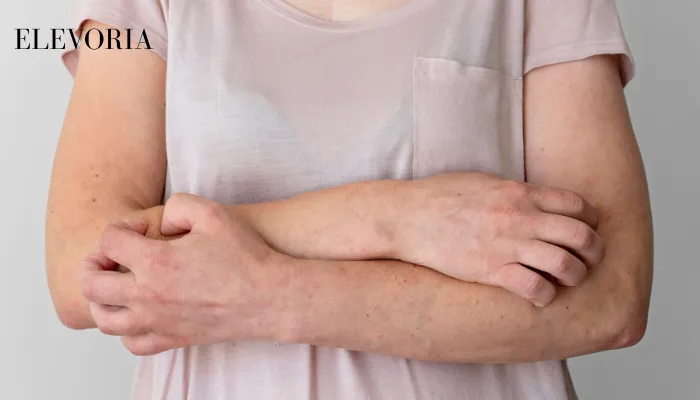
Keratosis pilaris (ker-uh-TOE-sis pih-LAIR-is) is a common, harmless skin condition that causes dry, rough patches and tiny bumps. The bumps are often described as feeling like sandpaper or resembling goose flesh.
They typically appear on the:
- Upper arms (most common)
- Thighs
- Buttocks
- Cheeks (especially in children)
The bumps are usually painless and generally do not itch. They are the color of your skin, though they can appear red on white skin or darker on brown or black skin.
Symptoms of Keratosis Pilaris
The symptoms of keratosis pilaris can vary from person to person, but they commonly include:
- Small, hard bumps on the back of the upper arms, thighs, buttocks, or cheeks
- Dry, rough skin in the areas with bumps
- Bumps that may have pale, dry skin scales on top
- Occasional mild itching
- Sandpaper-like texture resembling goose flesh
- Worsening when seasonal changes cause low humidity and dry skin
The bumps often don’t itch or cause pain. However, the skin can sometimes feel itchy, and the condition may be better in summer and worse in winter. In many people, the bumps go away as they get older, often disappearing by age 30.
What Causes Pilaris Bumps?
Keratosis pilaris develops when a protein called keratin forms a scaly plug that blocks the opening of the hair follicle. Keratin is a hard protein that normally protects the skin from harmful substances and infection.
In people with keratosis pilaris, keratin builds up and blocks the opening of hair follicles, causing patches of rough, bumpy skin. It is not entirely clear why keratin builds up in some people, but several factors are involved:
- Genetics: The condition tends to run in families. If your parents have it, you may get it too.
- Associated Conditions: It might happen along with genetic diseases or skin conditions such as atopic dermatitis (eczema).
- Dry Skin: Dry skin tends to make keratosis pilaris worse.
Importantly, keratosis pilaris is not infectious, so you cannot spread it or catch it from someone else.
How Is Keratosis Pilaris Diagnosed?
Keratosis pilaris is usually diagnosed simply by looking at the affected skin. Your healthcare provider or dermatologist will examine your skin and ask about your symptoms and family health history. In most cases, no testing is needed. A skin biopsy is rarely required.
When to see a doctor: Treatment for keratosis pilaris usually isn’t needed. However, you should consult a healthcare provider or dermatologist if you are concerned about your or your child’s skin, or if the bumps become itchy, inflamed, or bothersome.
Treatment Options for Pilaris Bumps
There is no cure for keratosis pilaris. But you can treat it with moisturizers and prescription creams to help improve how the skin looks. Treatment may improve the appearance of the bumps, but the condition often comes back if treatment is stopped.
Over-the-Counter (OTC) Treatments
Several nonprescription products can help reduce the bumps:
- Moisturizers: Regular use of moisturizing lotions can soothe the skin and help improve its appearance. Dermatologists recommend using an ointment or oil-free cream after bathing. Look for products containing ingredients like urea, lactic acid, glycolic acid, or salicylic acid.
- Topical Exfoliants: Creams containing alpha hydroxy acid, lactic acid, salicylic acid, or urea help loosen and remove dead skin cells. These creams are called topical exfoliants. Depending on their strengths, they are available with a prescription or over the counter.
- Retinoids: Creams derived from vitamin A, known as topical retinoids, work by promoting cell turnover and preventing plugged hair follicles. Tretinoin and tazarotene are examples of topical retinoids.
Prescription Treatments
If moisturizing and other self-care measures do not help, your healthcare provider may prescribe stronger medicated creams. These may include stronger formulations of salicylic acid, lactic acid, urea, or tretinoin. Topical calcineurin inhibitors (like tacrolimus) may also be recommended for facial keratosis pilaris.
Other Treatments
Other treatments include steroid creams and laser treatments. However, these types of treatments are not usually available on the NHS in the UK because they have not been proven to be effective, and they can be expensive to pay for privately.
Self-Care and Home Remedies
Dermatologists recommend a three-step plan for treating keratosis pilaris at home:
1. Exfoliate Gently
When you exfoliate your skin, you remove dead skin cells from the surface. You can slough off these dead cells gently with a loofah, buff puff, or rough washcloth. Avoid scrubbing your skin, which tends to irritate the skin and worsen keratosis pilaris. You can also use a gentle scrub with a washcloth or exfoliating mitt.
2. Apply a Keratolytic
After exfoliating, apply a product called a keratolytic (or chemical exfoliator). It helps remove the excessive buildup of dead skin cells. Look for products that contain one of the following ingredients:
- Alpha hydroxy acid
- Glycolic acid
- Lactic acid
- Salicylic acid
- Urea
- A retinoid (retinol, tretinoin, adapalene, tazarotene)
Important: Take care to use a keratolytic exactly as described in the directions. Applying too much or using it more often than indicated can cause raw, irritated skin. Acid creams should be avoided in young children because of burning and stinging. Even when you follow the directions, your skin can become too dry or irritated. If this happens, stop using the product for a few days.
3. Moisturize Regularly
Using a keratolytic dries the skin, so you will want to apply a moisturizer afterward. Apply the moisturizer:
Dermatologists recommend using an ointment or oil-free cream to help prevent clogged pores. Moisturizing helps relieve dryness and keeps the skin soft.
Additional Self-Care Tips
- Use mild, unperfumed soaps and bathing products.
- Avoid perfumed soaps or bathing products that can dry out your skin.
- Avoid harsh scrubs on your skin – this can make it worse.
- Have cool or lukewarm showers and baths instead of hot ones.
- Do not scratch, pick, or rub your skin.
What to Expect: A Long-Term Perspective
Keratosis pilaris is a chronic condition. Most people with keratosis pilaris have it for years, and it may eventually clear up by itself.
The condition can be stubborn. Even with treatment, keratosis pilaris might last for years. If you stop treatment, the condition returns.
However, with regular skin care to reduce the bumps and keep skin moisturized, you can manage the condition effectively.
Frequently Asked Questions
What are pilaris bumps?
Pilaris bumps, also known as keratosis pilaris, are small, rough bumps that appear on the skin, most commonly on the upper arms, thighs, and buttocks. They are caused by a buildup of keratin that blocks hair follicles.
Is keratosis pilaris dangerous?
No. Keratosis pilaris is a harmless skin condition that does not cause any health problems. It is often considered a common variant of skin.
Can keratosis pilaris be cured?
There is no cure for keratosis pilaris. However, the symptoms can be managed with moisturizers, exfoliation, and medicated creams. The condition usually disappears by age 30.
What is the best treatment for keratosis pilaris?
Dermatologists recommend a three-step plan: gentle exfoliation, application of a keratolytic (such as lactic acid, salicylic acid, or urea cream), and regular moisturizing. Prescription creams may be needed for stubborn cases.
Can I prevent keratosis pilaris?
Researchers don’t know how to prevent KP. It tends to run in families and is not caused by anything you do or don’t do. However, keeping your skin well-moisturized can help prevent it from worsening.
Does keratosis pilaris go away with age?
In many people, the bumps go away as they get older. The condition often clears up by age 30.
Is keratosis pilaris contagious?
No. Keratosis pilaris is not infectious, so you cannot spread it or catch it from someone else.
Why is my keratosis pilaris worse in winter?
Dry skin tends to make keratosis pilaris worse. Cold weather and low humidity can dry out your skin, making the bumps more noticeable.
Can I use retinol for keratosis pilaris?
Yes. Retinoids (including retinol, tretinoin, and adapalene) are commonly recommended for keratosis pilaris. They work by promoting cell turnover and preventing plugged hair follicles.
When should I see a doctor for keratosis pilaris?
Treatment for keratosis pilaris usually isn’t needed. However, you should see a doctor if you are concerned about your skin, or if the bumps become itchy, inflamed, or bothersome.
Conclusion
Pilaris bumps, or keratosis pilaris, are a common and harmless skin condition that affects many people. While there is no cure, the condition can be effectively managed with a consistent skincare routine focused on gentle exfoliation, keratolytic creams, and regular moisturizing. With patience and the right approach, you can significantly improve the appearance and texture of your skin.
Remember these key principles:
- Keratosis pilaris is harmless and often runs in families
- It cannot be cured, but it can be managed
- A three-step plan of gentle exfoliation, keratolytics, and moisturizing is recommended by dermatologists
- Be consistent – the condition can be stubborn and may return if you stop treatment
- The condition often improves with age
Important: This article is for educational purposes and does not constitute medical advice. The information provided is general in nature and not a substitute for professional medical evaluation. If you have persistent, severe, or worsening skin concerns, or if you are unsure about a diagnosis, see a licensed healthcare provider rather than relying on this information.
Read More: Raised Bumps on Skin: Causes, Types, and When to See a Doctor



[…] Read More: Pilaris Bumps (Keratosis Pilaris): Causes, Treatment, and Self-Care […]