
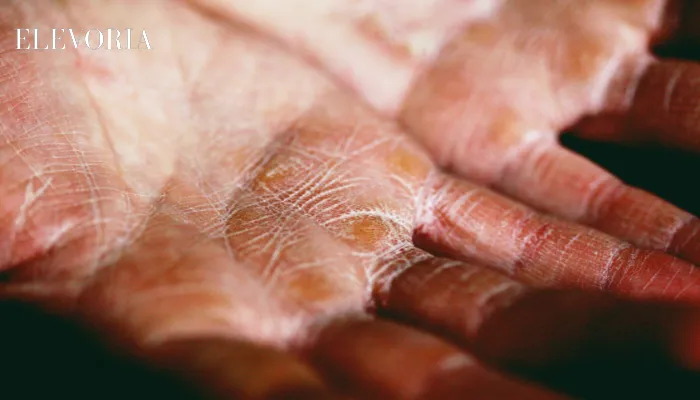
Xerosis Skin: A Complete Guide to Understanding and Managing Severely Dry Skin
Dry skin is more than just a cosmetic annoyance. For millions of people, it is a persistent, uncomfortable condition that can crack, bleed, and interfere with daily life. When ordinary dryness becomes severe, dermatologists call it xerosis.
Xerosis (pronounced “ze-ROW-sis”) is the medical term for severely dry skin. It is a common condition that can affect anyone at any age, but it becomes particularly prevalent as we get older. While a certain amount of dryness can be managed with over-the-counter products, xerosis often requires a more structured approach.
This guide covers everything you need to know about xerosis skin: what it is, what causes it, how to recognize the symptoms, and dermatologist-approved strategies for treating and preventing it.
What Is Xerosis?
Xerosis is the medical term for dry skin. It occurs when the outer layer of the skin loses too much water, leading to a rough, flaky, or scaly texture. Your skin may also feel tight, especially after bathing.
The condition is sometimes referred to as xeroderma, and when it becomes severe, healthcare providers may use the term xerosis cutis. Xerosis can range from a mild, temporary annoyance to a chronic condition that causes significant discomfort and complications.
Xerosis vs. Normal Dry Skin
Not every dry patch is xerosis. Many people experience temporary dry skin during winter or after swimming, which resolves with basic moisturizing. The Cleveland Clinic notes that xerosis is specifically “severely dry skin”, distinguishing it from milder, everyday dryness. Xeroderma, another term for dry skin, describes a more persistent, often severe state of dryness that may require consistent care and, in some cases, medical treatment.
Symptoms of Xerosis
The symptoms of dry skin can vary from person to person, but the hallmark signs are consistent:
- A feeling of skin tightness
- Skin that feels and looks rough
- Itchiness (pruritus)
- Slight to severe flaking, scaling, or peeling
- Fine lines or cracks in the skin
- Deep cracks that may bleed
- Skin that ranges from reddish on white skin to grayish on brown and Black skin
- A feeling of pain, stinging, or burning on the skin
Flaking can cause an “ashy” look that is particularly noticeable on brown and Black skin.
Causes of Xerosis
Xerosis happens when the skin’s protective barrier is compromised, allowing moisture to escape faster than it can be replaced. A variety of factors can contribute to this breakdown.
Environmental Factors
Weather. Skin tends to be driest in winter, when temperatures and humidity levels plummet. Living in a climate with low humidity, such as a desert region, also raises the risk of developing dry skin.
Heat. Central heating, wood-burning stoves, space heaters, and fireplaces all reduce humidity and dry out the skin.
Lifestyle and Habits
Too much bathing or scrubbing. Taking long, hot showers or baths, or scrubbing your skin too much, can strip natural oils. Bathing more than once a day can remove the natural oils from your skin.
Harsh soaps and detergents. Many soaps, detergents, and shampoos are designed to remove oil, which can strip moisture from the skin.
Skin Conditions and Aging
Other skin conditions. People with atopic dermatitis (eczema) or psoriasis are more prone to dry skin.
Aging. Skin thins and sweats less with age, so older adults often have dry skin.
Medical Treatments
Some people develop dry, thick skin as a side effect of cancer treatment. Certain medications can also contribute to dryness.
Underlying Causes
Xeroderma, also known as dry skin, xerosis cutis, or asteatosis, results from inadequate hydrolipids in the skin. This deficiency can be triggered by environmental changes, underlying diseases, medications, or advanced age.
Risk Factors for Xerosis
Anyone can develop dry skin, but certain factors increase the likelihood:
- Age. Older adults are at higher risk because the skin produces less oil with age.
- Climate. Living in dry, cold, or low-humidity environments raises the risk.
- Occupation. Jobs that require frequent handwashing or immersion in water can lead to dryness.
- Medical history. People with eczema, psoriasis, or other skin conditions are more susceptible.
Complications of Untreated Xerosis
While dry skin is usually harmless, untreated xerosis can lead to serious complications.
Cracking and Bleeding
Excessively dry skin can crack, forming fissures that may bleed. This is especially common on the hands, feet, and heels.
Infection
When dry skin cracks, the barrier between the body and the external environment is breached. This can allow bacteria to enter the body, increasing the risk of infection. The condition may lead to pruritus, resulting in excoriations and an elevated susceptibility to skin infections.
Pruritus and Excoriations
Xerosis often leads to pruritus (severe itching), which can result in excoriations (scratch marks) and an elevated susceptibility to skin infections.
Impact on Quality of Life
Chronic xerosis can be uncomfortable enough to interfere with sleep and daily activities. Itching and discomfort can be distracting and distressing.
How Is Xerosis Diagnosed?
To diagnose dry skin, your healthcare provider will likely look at your skin and ask about your medical history. You might talk about when your dry skin started, what makes it better or worse, and your bathing and skincare habits.
If your provider suspects that your dry skin may be from an underlying health problem, further tests may be ordered.
Treatment: Dermatologist-Approved Steps for Relief
Most cases of xerosis respond well to lifestyle changes and self-care. The American Academy of Dermatology, Mayo Clinic, and Cleveland Clinic recommend the following steps.
1. Limit Bath and Shower Time
Long showers or baths and hot water remove oils from your skin. Limit your bath or shower to 5 to 10 minutes and use warm, not hot, water.
2. Use Gentle, Fragrance-Free Cleansers
Avoid harsh soaps, detergents, and perfumes, which tend to dry the skin. Choose gentle skin cleansers that are free from dyes and perfumes.
3. Pat Skin Dry and Leave It Damp
After bathing, gently blot your skin dry with a towel instead of rubbing. Leave some moisture on your skin so that it feels slightly damp.
4. Apply Moisturizer Immediately
Apply moisturizer right after bathing or showering, while your skin is still damp, to trap in moisture. Dermatologists recommend using a cream or ointment rather than a lotion within a few minutes after bathing.
5. Choose the Right Moisturizer
The MSD Manual notes that thicker moisturizers such as petrolatum- or oil-based moisturizers are more effective than water-based lotions. Moisturizers with additives such as ceramides, alpha-glycolic acids (e.g., lactic, glycolic, and pyruvic acids), and beta-glycolic acids (e.g., salicylic acid) are very commonly used.
The NCBI notes that the best evidence by far is available for urea, whose efficacy in the treatment of xerosis is further enhanced by combining it with other natural moisturizing components and ceramides.
The AAD recommends using a cream or ointment that contains ingredients such as petroleum jelly, jojoba oil, shea butter, glycerin, mineral oil, or lanolin.
6. Moisturize Throughout the Day
Apply moisturizer to your skin several times a day and whenever your skin feels dry. If your skin is extremely dry, you may want to apply an oil, such as baby oil, while your skin is still moist.
7. Use a Humidifier
Hot, dry, indoor air can parch sensitive skin and worsen itching and flaking. A portable home humidifier adds moisture to the air inside your home.
8. Protect Your Skin from the Elements
In cold weather, cover as much skin as possible. Wear soft fabrics that won’t cause irritation, such as cotton.
9. Drink Plenty of Water
Increasing fluid intake helps support skin health from within.
Treatment Options
Over-the-Counter Products
If you have very dry skin, your healthcare professional will likely suggest a moisturizing product designed to meet your needs. Look for products containing:
- Urea or lactic acid. These ingredients help break down dead skin and lock in moisture.
- Petrolatum. Ointments that contain petroleum jelly can be very effective.
- Ceramides. These help restore the skin barrier.
- Hydrocortisone. Cortisone creams may help dry, itchy skin.
Prescription Treatments
If dry skin isn’t helped with over-the-counter treatments, your health care provider may prescribe a prescription medicine to apply to your skin. Some patients may require prescription therapy when xerosis is severe.
When to See a Doctor
Most cases of dry skin respond well to lifestyle changes and self-care. But make an appointment to see a healthcare professional if:
- Dry skin lasts despite self-care steps
- Skin becomes inflamed or painful
- Dry skin makes you so uncomfortable that you are losing sleep or are distracted from your daily routines
- Open sores or infections develop from dry skin that has broken open
- Large areas of scaly or peeling skin form
- Dry, thick skin develops as a side effect of cancer treatment
If you have red and swollen skin that may be infected, seek medical attention.
Frequently Asked Questions
What is xerosis?
Xerosis is the medical term for severely dry skin. It occurs when the skin loses too much water from the outer layer, leading to rough, flaky, or scaly skin.
What causes xerosis?
Xerosis can be caused by cold or dry weather, harsh soaps, too much bathing, central heating, and skin conditions such as eczema or psoriasis. Aging also contributes to dry skin.
How is xerosis different from normal dry skin?
Xerosis describes more severe, often chronic dryness that may require consistent care and, in some cases, medical treatment. While normal dry skin often responds to basic moisturizing, xerosis may persist despite self-care.
What are the symptoms of xerosis?
Symptoms include tightness, rough texture, itchiness, flaking or scaling, fine lines, cracks that may bleed, and a feeling of pain or burning. On darker skin tones, flaking can create an ashy appearance.
Can xerosis lead to infection?
Yes. When dry skin cracks, the barrier between the body and the environment is breached, which can allow bacteria to enter and cause infection. Scratching can also lead to open sores that become infected.
What is the best moisturizer for xerosis?
Dermatologists recommend creams or ointments rather than lotions for dry skin. Look for products containing petroleum jelly, glycerin, shea butter, mineral oil, lanolin, urea, or ceramides. Thicker moisturizers are more effective than water-based lotions.
How can I prevent xerosis?
Take shorter, warm showers, use gentle, fragrance-free cleansers, moisturize immediately after bathing while skin is damp, use a humidifier, and protect your skin from cold weather.
Is xerosis more common in older adults?
Yes. Skin thins and sweats less with age, so older adults often have dry skin. The MSD Manual lists older age as a risk factor for xerosis.
When should I see a doctor for xerosis?
See a doctor if dry skin persists despite self-care, becomes inflamed or painful, interferes with sleep, develops open sores or infections, or forms large areas of scaly or peeling skin.
Can xerosis be cured?
Xerosis is often a chronic condition that can be managed but not permanently cured. With consistent care, moisturizing, gentle cleansing, and environmental adjustments, symptoms can be significantly reduced.
Conclusion
Xerosis, or severely dry skin, is a common and often manageable condition. By understanding the causes, from environmental factors to aging, and adopting a consistent, gentle skincare routine, you can restore moisture, relieve discomfort, and prevent complications. The key is to act early, moisturize regularly, and seek professional help when self-care is not enough.
Important: This article is for educational purposes and does not constitute medical advice. The information provided is general in nature and not a substitute for professional medical evaluation. If you have persistent, severe, or worsening skin concerns, see a licensed healthcare provider rather than relying on this information.
Read More: Pores: Function, Causes of Enlargement, and Care Tips

[…] Read More: Xerosis Skin: Symptoms, Causes, and Dermatologist-Approved Care […]
[…] Read More: Xerosis Skin: Symptoms, Causes, and Dermatologist-Approved Care […]