
Exfoliate: The Complete Guide to Safe, Effective Skin Exfoliation
Introduction
You have probably heard that exfoliating is essential for glowing skin. It is often described as the step that reveals fresh, radiant skin underneath dead surface cells. But exfoliation is also one of the most misunderstood parts of skincare. Done correctly, it can improve skin texture, brighten a dull complexion, and help other products work better. Done incorrectly, it can damage your skin barrier and leave you with redness, irritation, and breakouts.
According to the American Academy of Dermatology (AAD), exfoliation is the process of removing dead skin cells from the outer layer of your skin. While some people believe that this improves the appearance of their skin, it is not for everyone, and if not done properly, it could do more harm than good.
This guide covers what exfoliation is, the two main methods, how to choose the right one for your skin type, how often to exfoliate, signs of over-exfoliation, and common mistakes to avoid.
What Is Exfoliation?
Exfoliation is the process of removing dead skin cells from the outer layer of your skin. Your skin naturally renews itself roughly every 28 days in your 20s, but this process slows with age. When dead cells build up, skin looks rough, dull, and congested, and products cannot penetrate as effectively.
Exfoliation helps by removing those dead cells faster so new ones can surface. There are two main methods, mechanical and chemical, and the method you choose should be guided by your skin type.
The Two Main Types of Exfoliation
Physical (Mechanical) Exfoliation
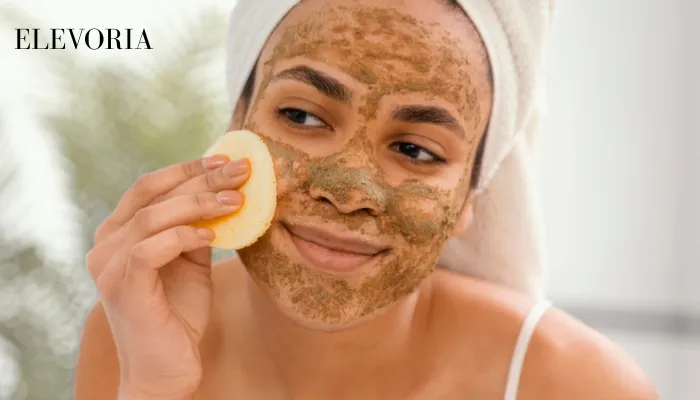
Physical exfoliation uses a tool or scrub to physically remove dead skin cells. This includes brushes, pads, sponges, and scrubs with small particles. According to the AAD, mechanical exfoliation uses a tool, such as a brush, pad, or sponge, or a scrub to physically remove dead skin cells.
Physical exfoliants rely on friction and manual pressure. While they can feel satisfying and provide immediate smoothness, the pressure applied is difficult to control, and over-scrubbing is a common mistake that can lead to irritation or a disrupted skin barrier.
Chemical Exfoliation
Chemical exfoliation uses acids to dissolve the bonds holding dead skin cells together. The AAD explains that chemical exfoliation uses chemicals, such as alpha and beta hydroxy acids, to dissolve dead skin cells.
Chemical exfoliants tend to work more evenly and with better predictability because they dissolve the bonds between dead skin cells rather than relying on friction. This often makes them gentler in the long term. They are also generally recommended for those with acne-prone, congested, or unevenly textured skin because they penetrate more predictably and can help regulate cell turnover.
Common Exfoliating Acids
Alpha Hydroxy Acids (AHAs)
AHAs are water-soluble acids that work on the surface of the skin. Common AHAs include:
- Glycolic acid: An AHA that can improve skin texture, unclog pores, and boost collagen production. It works for most skin types but can irritate sensitive or dry skin.
- Lactic acid: A gentler AHA that improves skin texture and unclogs pores while also hydrating the skin.
- Mandelic acid: A larger-molecule AHA that is often better tolerated by sensitive skin.
- Citric acid: A mild AHA often used in combination with other acids.
Beta Hydroxy Acids (BHAs)
BHAs are oil-soluble, meaning they can penetrate into pores to dissolve excess oil and dead skin cells. Salicylic acid is the most common BHA in skincare. It is particularly effective for oily and acne-prone skin because it targets congestion inside pores.
Polyhydroxy Acids (PHAs)
PHAs include gluconolactone and lactobionic acid. They are larger molecules that exfoliate more gently and also hydrate the skin, making them suitable for sensitive skin.
How to Choose the Right Exfoliation Method
The right method depends on your skin type. The AAD emphasizes that because every type of exfoliation may not work for every skin type, it is important to consider your skin type before choosing an exfoliation method.
For Dry or Sensitive Skin
Those with dry, sensitive or acne-prone skin may prefer just a washcloth and a mild chemical exfoliator, as mechanical exfoliation may be too irritating for this skin type. Sensitive or reactive skin benefits from gentle chemical exfoliants like lactic acid or PHAs used sparingly, sometimes once a week is enough. Avoiding physical scrubs is usually advisable, as they can exacerbate redness and compromise the barrier further.
For Oily or Acne-Prone Skin
Those with oily, thicker skin may want to use stronger chemical treatments or mechanical exfoliation. If you have a lot of active acne, a chemical exfoliant may be a better choice because you do not want to be scrubbing on an area that is already broken out.
For Normal or Combination Skin
Normal or combination skin is typically less sensitive but can still experience dryness. Aim to exfoliate about two to three times a week using a gentle chemical exfoliant.
For Darker Skin Tones
If you have a darker skin tone or if you have noticeable dark spots after burns, insect bites, or acne breakouts, avoid strong chemical or mechanical exfoliation. For some people, especially those with darker skin tones, more aggressive forms of exfoliation may result in dark spots on the skin. AAD guidance recommends that if your skin is usually dry, sensitive or acne-prone, and/or if you have a darker skin tone, tread lightly with exfoliants and stick to a mild chemical exfoliator to avoid irritation.
How Often Should You Exfoliate?
How often you exfoliate depends on your skin type and the method you use.
| Skin Type | Recommended Frequency |
|---|---|
| Sensitive or dry skin | 1 to 2 times per week |
| Normal or combination skin | 2 to 3 times per week |
| Oily or acne-prone skin | 3 to 4 times per week (or daily with mild exfoliators) |
In general, most people should exfoliate about two days a week, including the face and body. Chemical exfoliation is typically recommended for the face and body a couple of times a week, though products with lower concentrations of AHAs and BHAs may be used more frequently.
Most people’s skin cannot tolerate daily exfoliation. However, some oily and acne-prone skin types can handle exfoliating every day with milder exfoliators. Start at the lower end of the frequency range and adjust based on how your skin responds.
How to Exfoliate Correctly
Step 1: Cleanse First
Always start with clean skin. Exfoliating should come after you cleanse and before serums and moisturizer.
Step 2: Apply Gently
If you use a scrub or chemical exfoliator, apply the product gently using small, circular motions. Do this for about 30 seconds and then rinse well with lukewarm, not hot, water. For physical exfoliation, gently massage it onto damp skin using light pressure.
Step 3: Rinse Thoroughly
Rinse well with lukewarm water. Hot water can strip natural oils and irritate freshly exfoliated skin.
Step 4: Moisturize Immediately
You should be moisturizing after exfoliating. Washing your face and exfoliating can both be a little irritating or drying to the skin, so finishing things off with a moisturizer helps ensure you do not wake up with red, flaky, irritated skin.
Step 5: Use Sunscreen
Always use sunscreen if exfoliating during the day. Exfoliated skin is more vulnerable to UV damage, and many exfoliating acids can increase sun sensitivity.
Step 6: Avoid Combining Irritating Actives
Avoid using strong exfoliating acids on the same night with other irritating actives. On nights when you exfoliate, skip retinol products to make sure you are not overdoing things and irritating your skin.
Signs of Over-Exfoliation
Exfoliating too frequently or too aggressively can damage your skin. Signs that you may be over-exfoliating include:
- Redness and stinging after applying products
- Shiny, tight skin that feels raw
- Breakouts that look like purging but do not stop
- Constant dryness or flaking
- Increased sensitivity to other products in your routine
- Irritation, burning, or peeling
- Uncomfortably tight, shiny skin
If you notice these signs, stop exfoliating for a few days and focus on gentle cleansing and moisturizing to allow your skin barrier to recover.
Benefits of Exfoliation
When done correctly and at the right frequency, exfoliation can offer several benefits.
- Improves skin brightness: Removing dead surface cells reveals fresher, more radiant skin.
- Smooths rough texture: Rough patches and fine lines soften as new skin comes to the surface.
- Unclogs pores: BHAs help unclog blackheads and prevent future congestion.
- Fades hyperpigmentation over time: Regular gentle exfoliation can help fade post-inflammatory hyperpigmentation.
- Enhances product absorption: Moisturizers and serums absorb better on freshly renewed skin.
- Creates a smoother surface for makeup application: Exfoliating can help makeup go on more evenly.
Cleveland Clinic notes that continuous exfoliation through treatments like facials can help shrink the size of pores, lessen skin’s oil production, reduce hyperpigmentation, and help balance the skin’s pH.
Common Mistakes to Avoid
Exfoliating Too Often
This is the most common mistake. Exfoliating more than your skin can tolerate damages the skin barrier and leads to irritation, dryness, and breakouts.
Scrubbing Too Hard
Physical exfoliation relies on pressure, and it is easy to over-scrub, assuming that a deeper clean must be better. This often ends with irritation or a disrupted skin barrier.
Using the Wrong Exfoliant for Your Skin Type
A strong chemical peel or harsh scrub that works for oily skin may be too irritating for dry or sensitive skin.
Skipping Moisturizer After Exfoliating
Exfoliation removes some of your skin’s natural oils. Always follow with a moisturizer to replenish and protect the skin.
Exfoliating Irritated or Broken Skin
Never exfoliate if your skin is broken, cut, or sunburned. Exfoliating while using prescription retinoid creams or products containing retinol or benzoyl peroxide may worsen dry skin or even cause acne breakouts.
Not Using Sunscreen
Exfoliated skin is more vulnerable to UV damage. Always apply sunscreen after exfoliating and throughout the day.
When to See a Dermatologist
If you have persistent acne, severe irritation, or skin that does not improve despite adjusting your exfoliation routine, consider seeing a board-certified dermatologist. They can recommend prescription treatments and professional exfoliation procedures such as chemical peels, which use a chemical solution to remove layers of skin and reveal more youthful skin underneath. Chemical peels can reduce or improve fine lines and wrinkles, acne, scars, uneven skin coloring and other skin imperfections.
If you have a darker skin tone, you have a greater risk of experiencing a darkening of your skin after certain treatments, a condition called post-inflammatory hyperpigmentation. A dermatologist can advise on less aggressive treatments to reduce this risk.
Frequently Asked Questions
What does exfoliate mean?
Exfoliation is the process of removing dead skin cells from the outer layer of your skin. It can be done mechanically with scrubs or tools, or chemically with acids that dissolve dead skin cells.
How often should I exfoliate?
Most people should exfoliate about two days a week. Those with sensitive or dry skin should aim for one to two times per week. Those with oily or acne-prone skin may be able to exfoliate three to four times a week, or daily with mild exfoliators.
What is the difference between chemical and physical exfoliation?
Chemical exfoliants use acids like AHAs and BHAs to dissolve dead skin cells. Physical exfoliants use scrubs, brushes, or other tools to manually remove dead skin cells through friction.
Is chemical exfoliation better than physical exfoliation?
Neither is definitively better for everyone. Chemical exfoliants tend to work more evenly and with better predictability and are often gentler in the long term. Physical exfoliants can be effective but the pressure applied is difficult to control, and over-scrubbing is common.
What are signs of over-exfoliation?
Signs include redness, stinging after applying products, shiny and tight skin that feels raw, breakouts that do not stop, constant dryness or flaking, and increased sensitivity to other products.
Can I exfoliate if I have sensitive skin?
Yes, but you need a cautious approach. Sensitive skin benefits from gentle chemical exfoliants like lactic acid or PHAs used sparingly, sometimes once a week. Avoiding physical scrubs is usually advisable.
Should I exfoliate if I have acne?
If you have active acne, a chemical exfoliant may be better than a physical scrub because you do not want to scrub on an area that is already broken out. Salicylic acid is a common BHA for acne-prone skin.
What should I do after exfoliating?
Rinse with lukewarm water, apply a moisturizer, and use sunscreen if you are going outdoors. On nights when you exfoliate, skip retinol and other irritating actives.
Can exfoliating cause dark spots?
Yes. For some people, especially those with darker skin tones, more aggressive forms of exfoliation may result in dark spots on the skin. If you have a darker skin tone, tread lightly with exfoliants and stick to a mild chemical exfoliator.
When should I see a dermatologist about exfoliation?
See a dermatologist if you have persistent acne, severe irritation, or skin that does not improve with a gentle routine. They can recommend prescription treatments and professional procedures.
Conclusion
Exfoliation can be a valuable part of a skincare routine when done correctly. It removes dead skin cells, improves texture, brightens dull skin, and helps other products work better. But more is not better. Over-exfoliation is a common mistake that can damage your skin barrier and lead to irritation, dryness, and breakouts.
Remember these key principles:
- Choose the method that suits your skin type
- Be gentle with application, using small circular motions for about 30 seconds
- Follow the recommended frequency for your skin type
- Moisturize immediately after exfoliating
- Always use sunscreen
- Skip retinol and other irritating actives on nights you exfoliate
- Watch for signs of over-exfoliation and adjust accordingly
Patch Test Note: Before using any new exfoliating product, perform a patch test on a small area of skin to check for adverse reactions. Skin reactions and results vary significantly by individual and skin type. If you experience persistent irritation, redness, or other concerning symptoms, discontinue use and consult a dermatologist or licensed healthcare provider.
Important: This article is for educational purposes and does not constitute medical advice. The information provided is general in nature and not a substitute for professional medical evaluation. If you have persistent, severe, or worsening skin concerns, or if you are pregnant, nursing, or have a diagnosed skin condition, check with your doctor or dermatologist before starting any new treatment.
Read More: Cleanser: How to Choose the Right Face Wash for Your Skin



[…] Read More: Exfoliate: How to Exfoliate Safely for Healthier Skin […]