
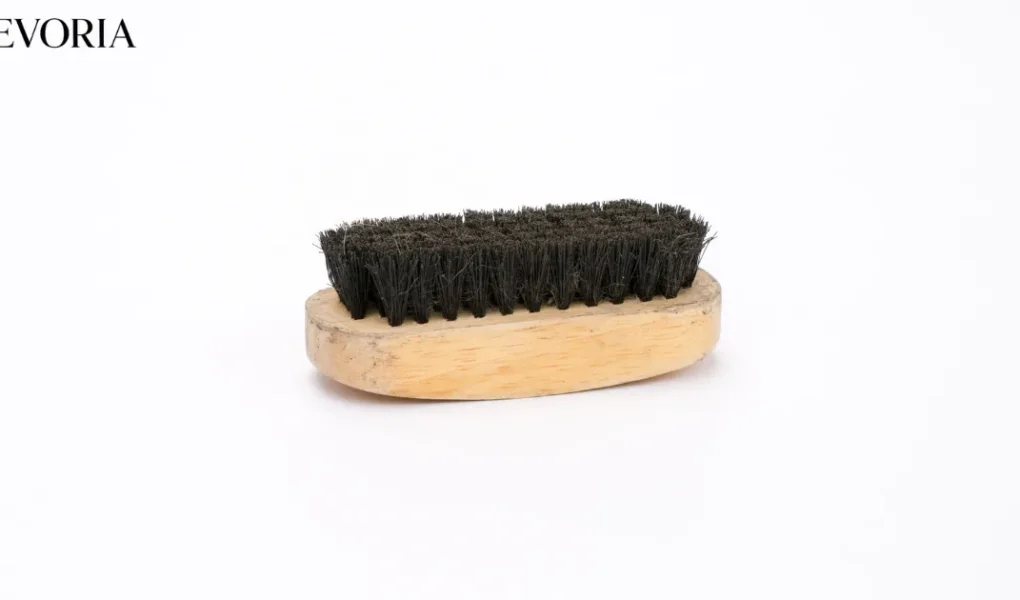
Suede Brush: The Complete Guide to Cleaning and Maintaining Suede
Suede looks great until the first scuff, water mark, or flattened patch shows up, and at that point most people are not sure whether a suede brush will actually fix it or make things worse. Using the wrong brush, brushing in the wrong direction, or applying too much pressure can damage the nap instead of restoring it.
This guide explains exactly what a suede brush is, the different types available, how to use one correctly, and how to handle common suede problems like stains, matting, and scuffs without ruining the material.
What Is a Suede Brush
A suede brush is a specialized cleaning tool designed to restore the raised, napped texture of suede by gently lifting the fibers, removing surface dirt, and smoothing out flattened or matted areas. Suede is made from the underside of animal hide, which has a soft, fibrous texture that differs significantly from the smooth surface of finished leather, and this texture requires different care than standard leather cleaning tools provide.
Regular leather cleaning products and brushes are generally not suitable for suede, since they can flatten the nap or leave residue that dulls the material’s characteristic texture.
Types of Suede Brushes
| Brush Type | Bristle Material | Best Used For |
|---|---|---|
| Brass bristle brush | Fine brass wire bristles | Deep cleaning, removing stubborn dirt and stains |
| Rubber bristle brush | Soft rubber nubs | Gentle daily maintenance, restoring nap without aggressive scrubbing |
| Nylon bristle brush | Firm synthetic bristles | General cleaning, a middle ground between brass and rubber |
| Combination brush | Two-sided, often brass on one side and nylon or rubber on the other | Versatile use for both light maintenance and tougher stains |
Brass bristle brushes are generally the most effective for stubborn dirt and stains but require a lighter touch to avoid over-abrading the material, while rubber and nylon brushes are gentler and better suited for regular upkeep.
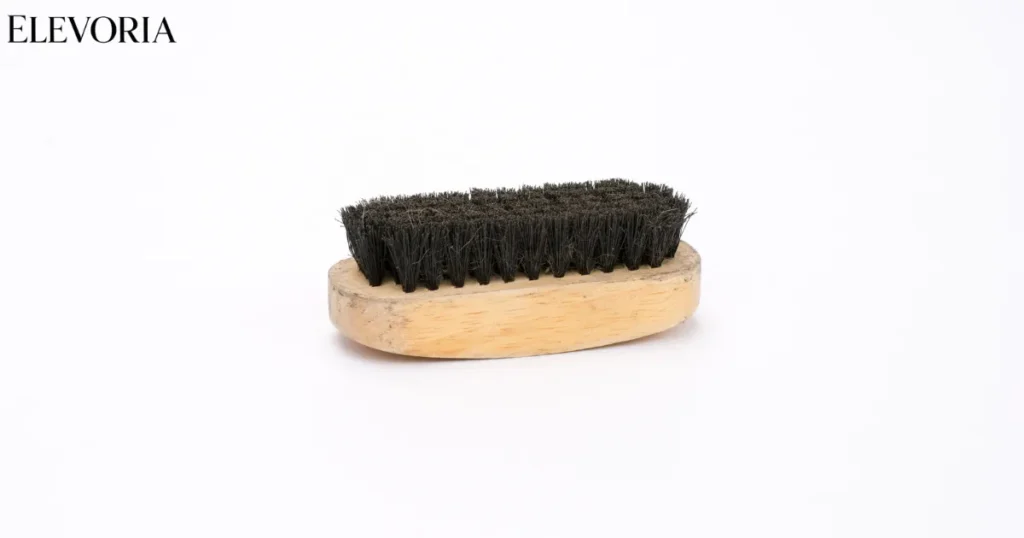
How to Use a Suede Brush Correctly
- Let the suede dry completely if it is wet. Brushing wet suede can push dirt deeper into the fibers and cause uneven texture once dry.
- Brush in one consistent direction first. Light, even strokes in a single direction help identify the natural direction of the nap before deeper cleaning.
- Use light to moderate pressure. Suede fibers are delicate, and excessive pressure can wear down the nap over time rather than restoring it.
- Brush in short, repeated strokes over stained or scuffed areas. This helps lift dirt and restore texture without concentrating pressure in one spot for too long.
- Finish by brushing the entire surface in the same direction to restore a uniform, even nap across the whole item.
- Allow the item to air out after brushing, since this can help loosen any remaining dust or debris before a final light brush.
How to Handle Common Suede Problems
Everyday Dirt and Dust
Regular brushing after each wear, using a soft rubber or nylon brush, prevents dirt from building up and keeps the nap looking fresh without needing deeper cleaning as often.
Scuff Marks
Light, repeated brushing directly over the scuffed area, ideally with a brass bristle brush for tougher scuffs, can often lift the mark by realigning the fibers. For stubborn scuffs, a suede eraser used before brushing can help remove residue that brushing alone may not fully address.
Water Stains
Water stains on suede can sometimes be reduced by lightly dampening the entire surface evenly with a clean, damp cloth, allowing it to dry fully, and then brushing once dry. This evens out the water exposure rather than leaving a distinct dry line from a single water spot.
Salt Stains
Salt stains, common in winter weather, can often be treated with a solution of equal parts water and white vinegar applied lightly with a cloth, followed by air drying and brushing once fully dry. Testing on a small, hidden area first is recommended before treating a visible section.
Matted or Flattened Nap
Repeated brushing in short strokes, sometimes combined with light steam from a distance, can help lift flattened suede fibers back into their raised texture. Direct, prolonged steam exposure should be avoided, since excess moisture can damage the material.
Suede Brush vs Suede Eraser vs Suede Cleaning Spray
| Tool | Best For | Limitations |
|---|---|---|
| Suede brush | Restoring nap, removing loose dirt, everyday maintenance | Not effective on oil-based or deep stains alone |
| Suede eraser | Spot removing scuffs and light stains | Works best combined with brushing afterward |
| Suede cleaning spray | Protecting against water and stains, some spot cleaning | Does not replace regular brushing for texture maintenance |
Using these tools together, rather than relying on just one, generally gives the most effective and long-lasting suede care routine.
Common Mistakes People Make
Brushing suede while it is still wet. This can push dirt further into the fibers and create an uneven, patchy texture once the material dries.
Using a brush meant for standard leather instead of suede. This can flatten the nap rather than restoring its texture, since suede requires a different brushing approach than smooth leather.
Applying too much pressure while brushing. This can wear down the delicate suede fibers over time, leading to a thinner, less textured surface.
Ignoring regular maintenance until a problem appears. Suede that is brushed regularly after wear generally stays in better condition than suede that is only addressed once visible dirt or matting has already set in.
Using water or cleaning solutions without testing first. Applying any liquid treatment without testing on a small, hidden area first can result in visible discoloration or texture changes on a prominent part of the item.
Expert Insight: Suede Direction Matters More Than Most People Realize
A detail often overlooked in general suede care advice is that suede has a natural nap direction, similar to how fabric can have a grain. Brushing consistently in the same direction, rather than back and forth in multiple directions, generally produces a more even, restored texture. Mixing directions can create a patchy or uneven appearance, even if the dirt itself has been effectively removed.
Actionable Recommendations
- Brush suede items after each wear using a soft rubber or nylon brush to prevent dirt buildup and maintain texture over time
- Keep a brass bristle brush on hand specifically for tougher scuffs or stains, using it with lighter pressure than a standard rubber brush
- Always let wet suede dry completely before brushing, rather than attempting to brush or clean it while damp
- Test any water, vinegar, or cleaning solution on a small, hidden area before applying it to a visible part of the item
- Combine a suede brush with a suede eraser and a protective spray for the most complete and long-lasting care routine
Conclusion
A suede brush is one of the most effective and simple tools for maintaining suede’s texture and appearance, but using it correctly matters more than owning an expensive one. Brushing in a consistent direction, using appropriate pressure, and combining brushing with other suede-specific tools like erasers and protective sprays helps keep suede shoes, jackets, and accessories looking their best for much longer.
Frequently Asked Questions
How do you use a suede brush? Brush in short, even strokes in one consistent direction using light to moderate pressure, focusing extra attention on stained or scuffed areas before finishing with a full, even pass over the entire surface.
What is the best way to clean suede shoes? Regular brushing after each wear, combined with a suede eraser for scuffs and occasional deeper cleaning for stains, generally keeps suede shoes looking their best.
Can you use a suede brush on wet suede? It is best to let suede dry completely before brushing, since brushing while wet can push dirt deeper into the fibers and create an uneven texture once dry.
What is the difference between a suede brush and a suede eraser? A suede brush restores nap texture and removes loose surface dirt, while a suede eraser is designed to spot-treat specific scuffs or light stains, often used together for best results.
How often should you brush suede shoes? Brushing after each wear is generally recommended to prevent dirt buildup and maintain the material’s texture over time.
Can a suede brush remove all stains? Not always. A suede brush works well for dirt, scuffs, and restoring nap, but oil-based or deep stains often require a specialized suede cleaner or professional cleaning in addition to brushing.
What type of suede brush is best for stubborn dirt? A brass bristle brush is generally most effective for stubborn dirt and stains, though it should be used with a lighter touch than a rubber or nylon brush to avoid over-abrading the material.
Can suede get wet without being ruined? Suede can tolerate light moisture, but it should be dried evenly and brushed once fully dry to avoid visible water marks or texture changes. Heavy or prolonged water exposure is more likely to cause lasting damage.
Read More: Peplum Tops: Fit, Styling & Body Type Guide


[…] Read More: Suede Brush Guide: How to Clean and Use One Right […]