Quick answer
Wearing a sweater as a dress means styling an oversized, long, or long-line sweater on its own as a complete outfit, rather than as part of a garment specifically designed and sold as a “sweater dress.” The key differences from a true sweater dress are length and structure: a repurposed oversized sweater generally needs to hit at least mid-thigh, paired with tights or leggings underneath, and often a belt to create shape, since regular sweaters are not designed with dress-length proportions or built-in structure. Done well, this styling approach turns an existing wardrobe piece into a completely different outfit without buying anything new.
If you searched “sweater as dress,” you are most likely trying to figure out how to actually pull off wearing an oversized sweater as a full outfit rather than layering it over pants, what to wear underneath for coverage and warmth, or which sweater styles work best for this specific styling approach. This guide covers all of that with practical, specific guidance.
Sweater as a dress versus a true sweater dress
This distinction matters more than it might seem, since the styling considerations are genuinely different.
| Factor | Sweater worn as a dress | True sweater dress |
|---|---|---|
| Design intent | Originally designed as a top, repurposed as a dress | Designed and cut specifically as a dress-length garment |
| Length reliability | Varies significantly by sweater and body proportions | Consistent, dress-appropriate length by design |
| Structure | Generally lacks built-in shaping | Often includes some structure or shaping details |
| Coverage considerations | Requires more careful styling to ensure adequate length and coverage | Designed with appropriate coverage already in mind |
| Cost | Uses a piece you may already own | Requires purchasing a garment made for this specific purpose |
If you are shopping specifically for a dress-length knit garment, a true sweater dress will generally give you more predictable results. If you are working with a sweater you already own, or want to repurpose an oversized piece, the tips in this guide will help you get proportions and coverage right.
Which sweaters work best styled as a dress
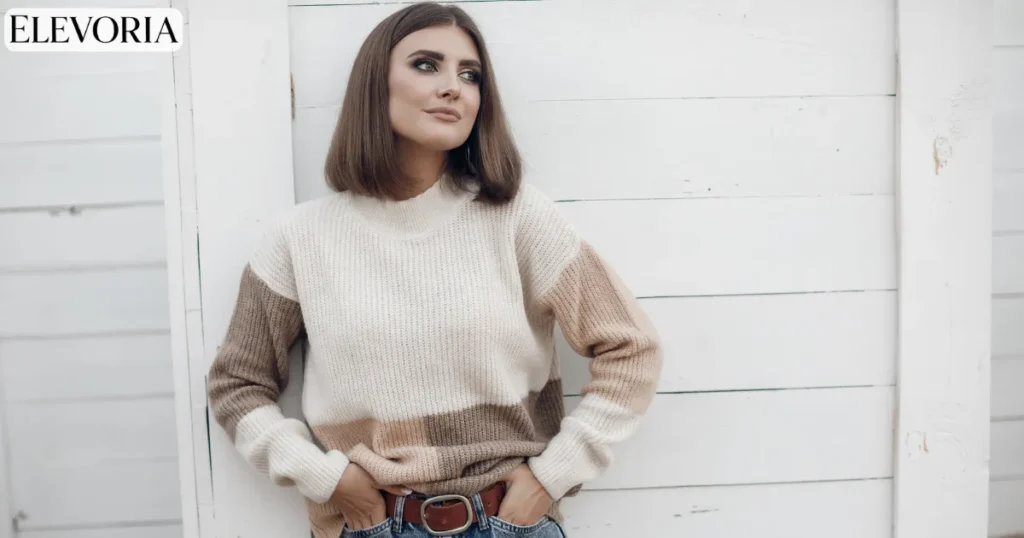
- Oversized or relaxed-fit sweaters: these generally provide more length and coverage than a fitted or cropped style, making them a more reliable starting point
- Longer-line tunic sweaters: sweaters already marketed as tunic-length are often close to dress length already, requiring less additional styling to work as a standalone look
- Chunky knits: heavier, structured knits tend to hold their shape better than very lightweight, drapey sweaters, which can cling or shift throughout the day
- Solid colors or simple patterns: since the sweater is functioning as the entire outfit rather than one layered piece, a busy, complex pattern can feel overwhelming as a full-body statement
Sweaters that are fitted, cropped, or very lightweight generally do not translate well to this styling approach, since they lack the length and structure needed to read as a complete, coverage-appropriate outfit on their own.
How to check if a sweater has enough length to wear as a dress
A simple guideline: the sweater should reach at least mid-thigh when worn, ideally closer to just above the knee for the most versatile, everyday-appropriate coverage. Try the sweater on and check the length both standing and sitting, since coverage that looks adequate standing can shift significantly once seated.
If a sweater falls short of this length but you still want to wear it as a dress-style look, pairing it with leggings or opaque tights in a similar or complementary color can help the overall look read as intentional, rather than simply a top worn without bottoms.
Styling a sweater as a dress: step by step
- Start with the right base sweater, choosing an oversized, relaxed, or tunic-length style rather than a fitted or cropped piece.
- Add tights or leggings underneath, both for warmth and for coverage insurance, particularly important if the sweater’s length is borderline.
- Consider a belt to add shape. Since most sweaters are not designed with dress-appropriate shaping, a belt at the natural waist can prevent the look from reading as shapeless.
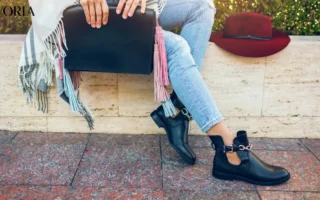
- Choose appropriate footwear to complete the proportions. Boots, particularly knee-high or over-the-knee styles, generally create the most balanced silhouette with this styling approach, since they visually continue the leg line where the sweater ends.
- Layer outerwear thoughtfully. A long coat, moto jacket, or structured blazer over the sweater can add definition to an otherwise soft, unstructured silhouette.
- Add accessories to elevate the look. Since the outfit is built around a casual base piece, accessories like a structured bag or statement jewelry can help the overall look feel more finished and less like loungewear.
What to wear under a sweater worn as a dress
- Opaque tights: the most common and reliable choice, offering both warmth and coverage, particularly important for shorter sweater lengths
- Leggings: a slightly more casual alternative to tights, working well for a relaxed, everyday version of this look
- A slip layer: for sweaters in a lighter knit that may cling or ride up throughout the day, a slip can help the garment sit and move more predictably
- Bike shorts: an increasingly common choice under shorter sweaters, offering coverage and comfort, particularly for styles that sit right around the mid-thigh length guideline
Common mistakes people make styling a sweater as a dress
- Choosing a sweater that is too short. This is the most common issue with this styling approach, and checking length both standing and sitting before committing to the look helps avoid this.
- Skipping tights or leggings entirely. Even with adequate length, an extra layer underneath adds both warmth and a safety margin for coverage throughout the day.
- Ignoring shape entirely. Without a belt or any other shaping element, an oversized sweater worn alone can look shapeless rather than intentionally styled.
- Pairing with the wrong footwear. Flat, low-profile shoes can make the proportions feel unbalanced compared to boots, which help visually complete the silhouette where the sweater ends.
- Choosing an overly thick, bulky sweater without considering overall proportion. A very chunky knit can add significant visual bulk when worn as a full-body piece, which is worth balancing with slimmer-fitting tights or leggings underneath.
- Assuming any long sweater automatically works. Length alone is not the only factor. Fit through the shoulders and overall silhouette also affect whether a sweater translates well to this styling approach.
Choosing accessories and outerwear to complete the look
| Element | Why it matters | Good options |
|---|---|---|
| Belt | Adds shape to an otherwise unstructured silhouette | Wide fabric belts, structured leather belts |
| Footwear | Completes leg-line proportions | Knee-high boots, ankle boots, over-the-knee boots |
| Outerwear | Adds structure and definition | Long wool coat, structured blazer, moto jacket |
| Bag | Balances a casual base piece | Structured crossbody or top-handle bag |
| Jewelry | Elevates a simple, casual foundation | Statement earrings, layered necklaces |
Actionable recommendations
- Choose an oversized, relaxed, or tunic-length sweater as your starting point, checking length both standing and sitting before committing to the look.
- Always pair with tights or leggings underneath, both for warmth and coverage insurance.
- Add a belt if you want more defined shape, since most sweaters lack built-in structure for a dress silhouette.
- Choose boots over flat, low-profile shoes to help balance proportions and complete the leg line.
- Layer a structured coat or blazer over the sweater to add definition to an otherwise soft silhouette.
- If you are unsure about a sweater’s length working reliably as a dress, consider it primarily for shorter outings or seated activities where coverage concerns are less significant.
Frequently asked questions
How long does a sweater need to be to wear as a dress? A general guideline is at least mid-thigh length, with just above the knee offering more reliable, versatile coverage, particularly when checked both standing and sitting.
What should I wear under a sweater dress look? Opaque tights or leggings are the most common choice, both for warmth and coverage, with a slip layer sometimes added underneath lighter, clingier knits.
Is it the same to wear a sweater as a dress versus buying a sweater dress? Not exactly. A true sweater dress is designed and cut specifically for dress-length proportions and often includes some built-in shaping, while repurposing a regular sweater as a dress requires more careful attention to length, coverage, and added shape through styling.
What shoes go best with a sweater worn as a dress? Boots, particularly knee-high or over-the-knee styles, generally create the most balanced proportions, since they visually continue the leg line where the sweater ends.
Can I wear a cropped or fitted sweater as a dress? Generally not effectively, since cropped and fitted sweaters lack the length and coverage needed for this styling approach. Oversized, relaxed, or tunic-length sweaters work significantly better.
How do I add shape to a sweater dress look? A belt at the natural waist is the most common and effective way to add definition to an otherwise unstructured sweater silhouette.
Is this styling approach appropriate for work? It can be, with the right length, tights, and structured accessories like a blazer, though a true sweater dress or a more tailored knit piece may offer a more consistently professional result for office settings specifically.
The bottom line
Wearing a sweater as a dress is a practical, budget-friendly way to get more mileage out of pieces you may already own, but it requires more deliberate styling than a true sweater dress, since regular sweaters are not designed with dress-length proportions or built-in shape. Checking length carefully, layering tights or leggings underneath, adding a belt for definition, and choosing boots to complete the silhouette are the details that most reliably turn an oversized sweater into a genuinely wearable, intentional-looking outfit.
Read More: Polka Dot Frock: A Complete Style Guide to This Timeless Print